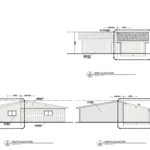
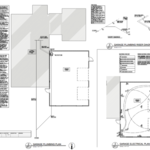
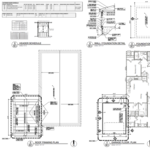
GEM Drafting provides professional Drafting, 3D Laser Scanning, Existing-Condition documentation, and Building Information Modeling (BIM) services for homeowners, contractors, designers, and property professionals.\n\nWhether you are planning a remodel, addition, renovation, tenant improvement, or residential/commercial construction project, we help you start with accurate information and clear, detailed drawings.\n\nGEM is a U.S.-based, veteran-operated company committed to responsive communication, dependable service, and high-quality deliverables. Every project is approached with attention to detail and a practical understanding of what homeowners, designers, and contractors need to move forward confidently.\n\nContact GEM Drafting today to discuss your project and receive a customized proposal.\n\nDraft. Scan. BIM. Build with confidence.
"I am having a full master bath and kitchen remodel done with new layouts in both rooms and knocking out a wall. Evolution worked with me to quickly get a drawing done of the new layouts so that the contractor could get started on the project. They made sure to include me in the process so that the design would be done exactly as my wife and I envisioned. They communicated effectively throughout the process and were always courteous and professional. I recommend them to anyone with drafting needs."
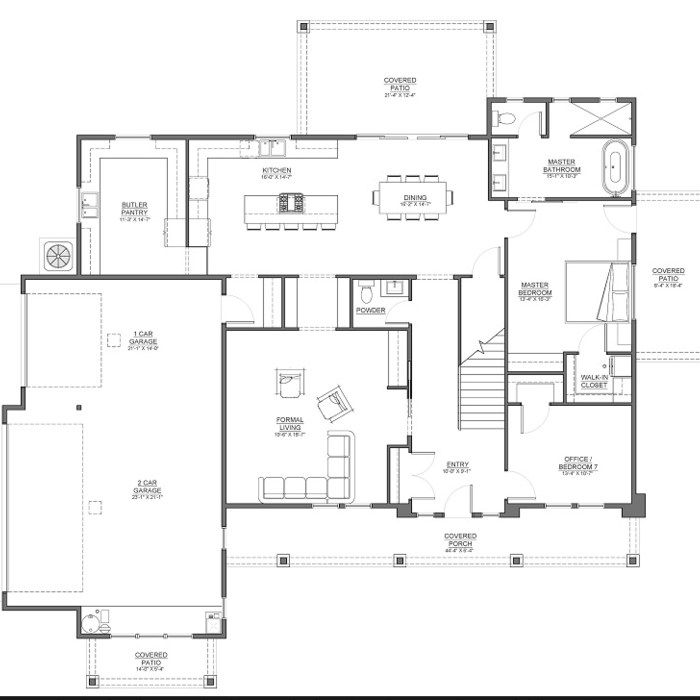
Terraform Development & Design LLC, delivers expert permit-ready architectural plans and drafting services nationwide. With 8+ years of experience and hundreds of clients across all 50 states, we create code-compliant residential and commercial construction documents that get approved fast and built right.\nFrom site plans, floor plans, elevations, structural & foundation drawings to MEP coordination, full construction sets, 3D renderings, interior design, solar PV layouts, and precise material takeoffs - we handle it all. Fast 4-6 week turnaround, 3 design revisions included, free revisions for city redline changes, transparent pricing (starts at $2,000), and direct partnerships with licensed engineers for stamps in every state.
"I was really under the gun due to a prior Architectural firm not performing their duties per building plan codes. Not only were the plans incomplete but the City Plan Reviewer states(The Worst plans he’s ever seen) they will not make adjustments unless there is an additional charge for Thousands.
Evaluation’s saved my clients and drew our project per code, along with Engineering in less time then they quoted. I highly recommended them, Especially Kirsten. You went above and beyond trying to coordinate this project. The staff was very professional and I will use them on all my projects.
Sincerely,
Frank B
BCM Builders"
"Loay was great to work with. He finished the design sooner than expected, demonstrating excellent efficiency. I highly recommend him for his superb knowledge and professionalism. I even recommended him to one of my family members, who also loved working with him. Overall, Loay is very knowledgeable and reliable, making him a top choice for design projects."
At CADiPOLT, we're dedicated to streamlining and enhancing your design and planning processes with a comprehensive suite of services tailored for various industries. Our commitment is to transform your visions into tangible outcomes through precision, expertise, and innovation. Discover how our specialized services can elevate your project.\n- Drafting and Design Services\n- Plan and Detail Drawings\n- CAD Outsourcing
We have 22 years of experience in the business. At Hometech Builders 3-D Designs, LLC, we pride our company on reliability, great communication, personal service, integrity, and quality work. Thank you.
Structural Engineering questions, answered by experts
Through detailed analysis of load paths, materials, and existing damages.
If you intend to do the majority of the work yourself, you can pay to hire an architect or a structural engineer to ensure your home remains structurally sound. They can help with the planning to make sure everything is up to code and safe for your family. On the other hand, if you’re not sure your home will be completely safe when you’ve completed the project, let a pro do the job.
Most load-bearing walls are exterior, though they can also be interior.
It depends on the bank and the extent of the issue. Some banks will lend against homes with minor foundation damage, but most won’t if the issue is structural since the home acts as collateral for the mortgage. Banks that offer renovation loans might still finance a home with structural problems. More minor issues like settling cracks and intermittent problems with humidity are unlikely to stop a bank from financing.
No, squeaky floors do not always mean there is structural damage. The noise is often caused by friction from issues like loose floorboards, gaps between the subfloor and joists, or loose subflooring. While many squeaks are harmless, persistent or worsening noise could indicate a more severe problem. If you notice other signs of structural damage—such as soft or sagging floors, cracks running from the wall to the ceiling, or horizontal cracks in your foundation—it's best to have a professional inspect your floor to determine the root cause.
The Owyhee, NV homeowners’ guide to structural engineering services
From average costs to expert advice, get all the answers you need to get your job done.
The cost of a structural engineer is easily justifiable given the value they bring to the table. Use this guide to see what hiring your professional will total.
Beam installation costs are an important consideration if you’re building a home or doing renovations. Learn about average costs and factors in this guide.
Spotting deep foundation cracks or sagging floors? Learn about structural engineering costs, serious warning signs, and how to hire the right local pro.
It can be hard to choose the right pro for any job, but it matters. Learn how to hire a structural engineer who'll get the job done right from start to finish.