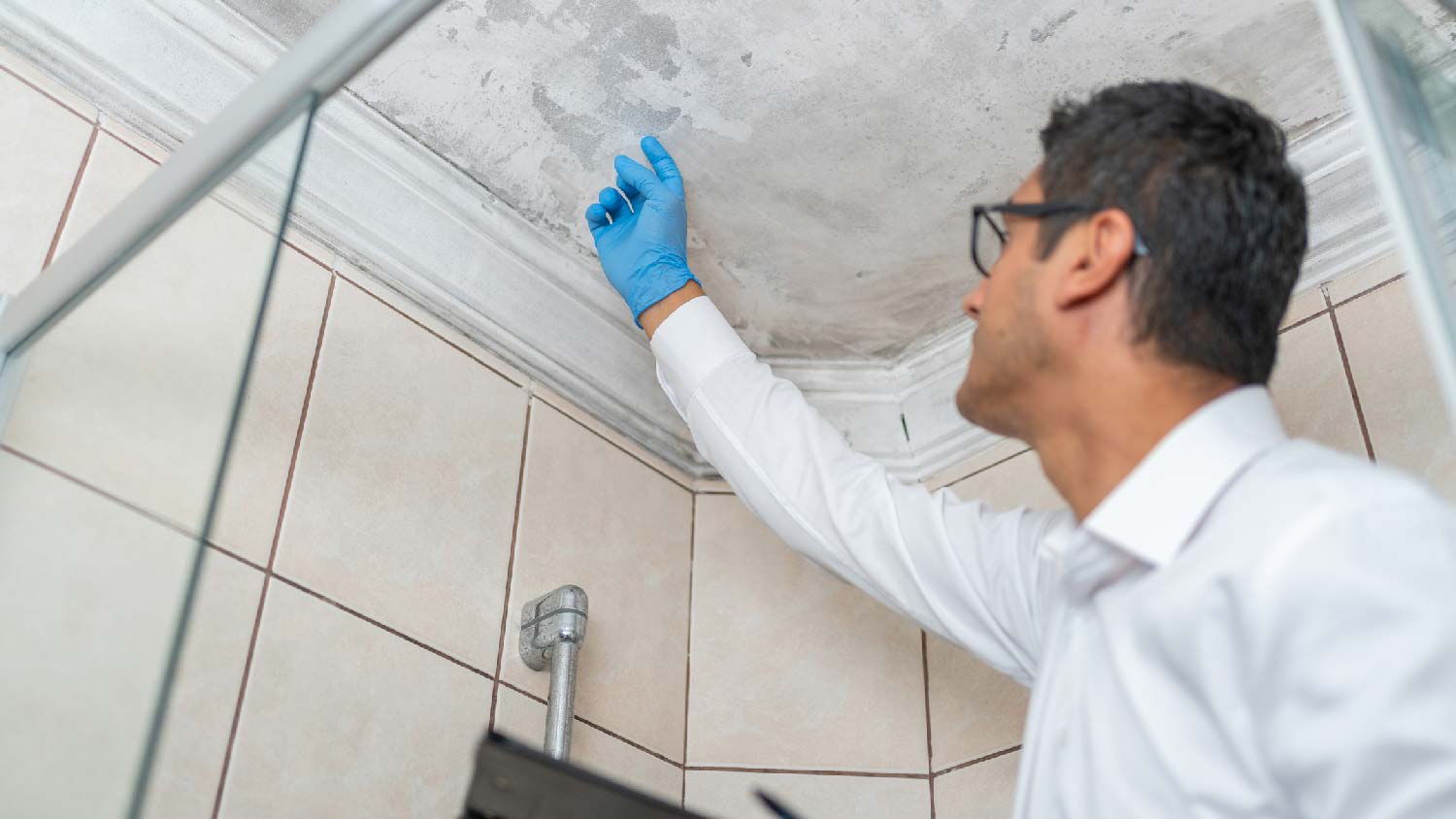
Top-rated mold testing and remediation specialists.

Best mold testing and remediation specialists near Ely, NV

Enter your zip and get matched with up to 5 pros

Need a pro for your mold testing and remediation project in Ely, NV?

Select your specific project to find the pro for you.

Top-Rated Mold testing and remediation specialists in Ely - Updated Nov 2026

Avatar for American Home Shield – Home Warranty
American Home Shield – Home Warranty
3.5(
5,689
)
Dry-rot, Water or Pest Damage - Major Repair

Serving Ely, NV and surrounding areas

In business since 1971

Credit card accepted

"AHS is ok. They cover repairs of most everything under the roof of your house. The companies that contract with them are not always the best. You call AHS with the issue, they send a fax to the repair company and give you the contact info. If they don't contact you within 24 hours, you call them. Sometimes they answer, sometimes they don't. When they arrive (usually three days or so later), they service the item. if it has issues within the 90 days, you call AHS again, they are sent out with no charge. If the serviceman decides the unit is unrepairable, AHS will allow you to choose a replacement from their listing (usually not as good as what you have) they will install and remove your old item, or give you wholesale amount to buy and install your own. Prices vary on what you want covered and what you want the copay to be, plus where you live. For me it is 49.99 per month with a 75.00 time of service order. You can have more than one item serviced at the same time under the same fee. If you have a SEAR product the repair guys are great. Not that wild about the other ones they send out. But it is a big savings compared to calling someone on your own. The cost of service is only the 75.00 copay."
Additional Photos
Additional Photos
Additional Photos
Additional Photos
Additional Photos

+2

Recommended by65%of homeowners
Mold Testing and Remediation FAQs, answered by experts

Window sill mold can be harmful, but the severity depends on the type. Common household molds like Cladosporium or Aspergillus can trigger allergies, respiratory issues, or worsen asthma symptoms. However, black mold (Stachybotrys) can produce mycotoxins that can harm your health. Even less toxic molds should be addressed promptly to prevent health risks and property damage.

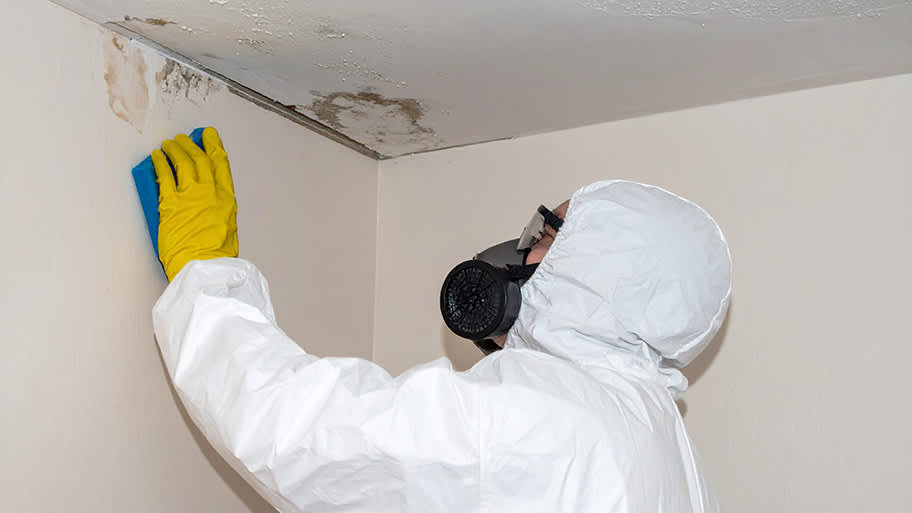
Removing mold yourself can be dangerous. Always wear protective gear to cover your skin, face, and eyes, and wear a respiratory mask to protect your lungs. It is most recommended to only remove small areas of mold on your own and leave large mold growth to professionals. Mold growth can also be persistent. Without addressing the root cause, DIY surface cleaning can be ineffective and temporary.

Professionals are trained in identifying hazardous materials and utilize industry-approved methods for safe handling and disposal. They adhere to regulatory frameworks to protect health and the environment, ensuring all materials are disposed of safely and responsibly.

A mold inspection costs an average of $660, with a typical range between $300 and $1,025. However, costs can be as low as $150 or as high as $2,800 depending on several factors. These include the size of your home, the type of mold, the extent and accessibility of the affected area, your location, and the number and type of samples required. Hard-to-reach areas like air ducts, crawl spaces, and wall cavities can increase the cost. Specific tests have different prices; for example, swab testing typically costs $200 to $300 per area, while more extensive air testing can range from $250 to $700. A thorough inspection is crucial for determining the scope of the problem and identifying the best remediation method.

According to the Environmental Protection Agency (EPA), hazardous waste is generally classified into four main categories:

1. Characteristic Wastes: These exhibit at least one of four hazardous traits: ignitability (flammable, like gasoline), corrosivity (can rust or decompose materials, like car batteries), reactivity (unstable and can explode, like aerosol cans), or toxicity (harmful when ingested, like lead-based paint).

2. Listed Wastes: These are specific wastes from manufacturing and industrial processes that the EPA has officially designated as hazardous. They include byproducts from processes that use solvents, pesticides, and other chemicals.

3. Universal Wastes: These are commonly generated hazardous items that are subject to streamlined regulations. Examples include batteries, pesticides, mercury-containing equipment (e.g., bulbs), and some lamps.

4. Mixed Wastes: This category includes waste that contains both hazardous and radioactive components, making it subject to regulation by both the EPA and the Nuclear Regulatory Commission.


The Ely, NV homeowners’ guide to mold testing and remediation services

From average costs to expert advice, get all the answers you need to get your job done.