Hello!\nI'm Bryan and I'm a homeowner myself. In my 24 years of homeownership, I have learned a lot of skills to fix, build and repair around the house. I'm happy to help. \nI am a man of character though, and prefer not to be alone with a woman as to avoid anything that could look bad or be misunderstood. I appreciate your respect on this and hope to be able to help you with your project!
We take great pride in our experience, expertise, quality, and customer service that we provide to meet the consumer's needs. It is our mission to provide excellent workmanship and complete customer satisfaction from start to completion of a project. In order to understand the needs and expectations of our customers, we take great care to work and communicate with every customer in a professional manner. Our reputation is based on service, safety, and quality, regardless of how large or small the job.\n
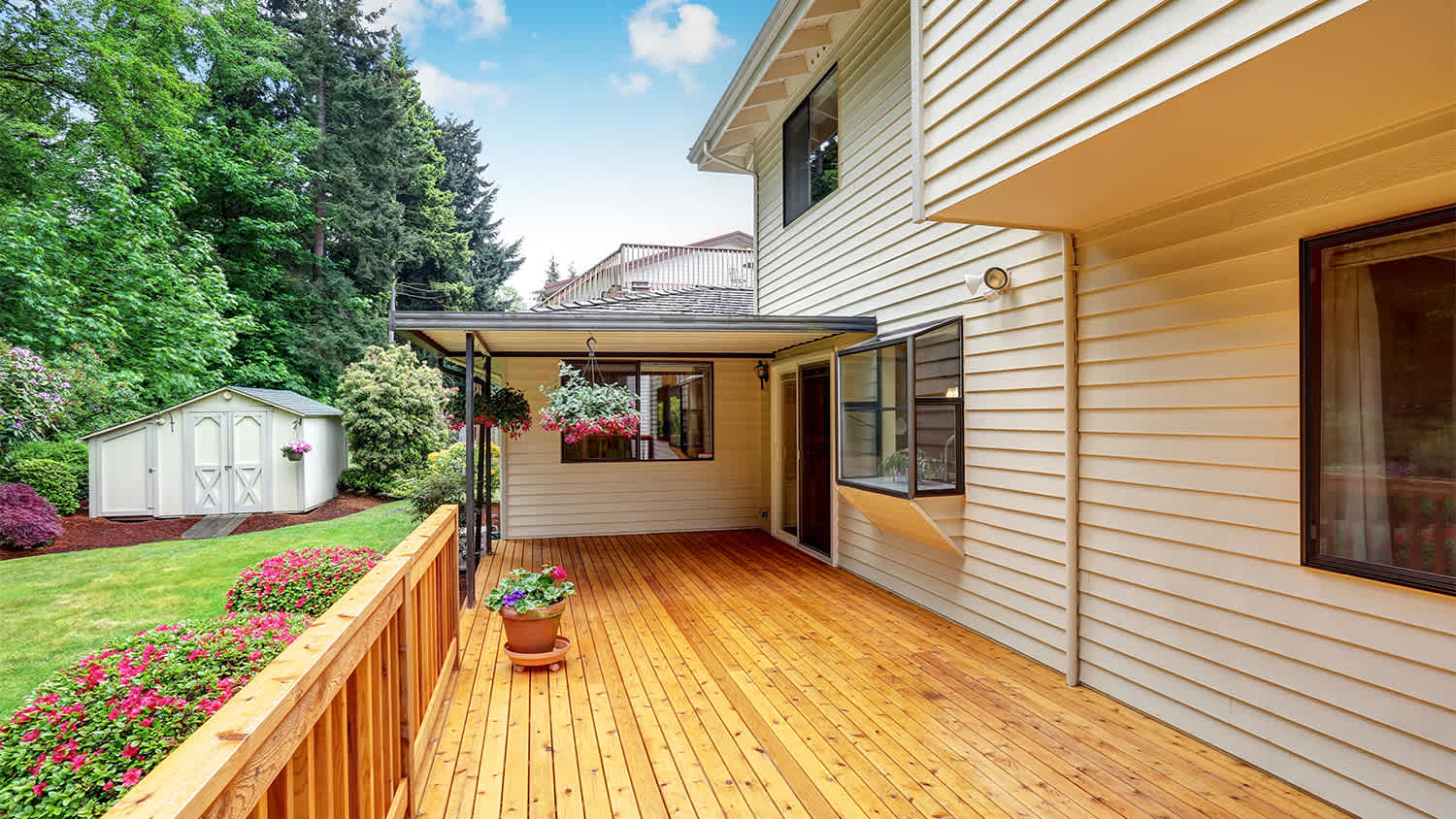
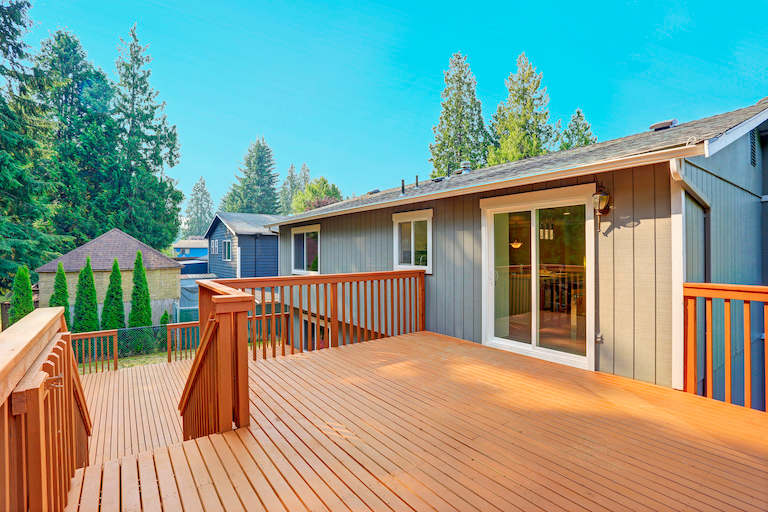
Materials for a second-story deck must be weather- and rot-resistant, though the specific choices will largely be determined by your budget and style preference. Pressure-treated wood is on the lower end of the price scale, but it can be customized and stained the way you like it. Composite, on the other hand, is pricier for installation and has fewer options for customization, but you’ll save money and time in the long run because it requires little maintenance.
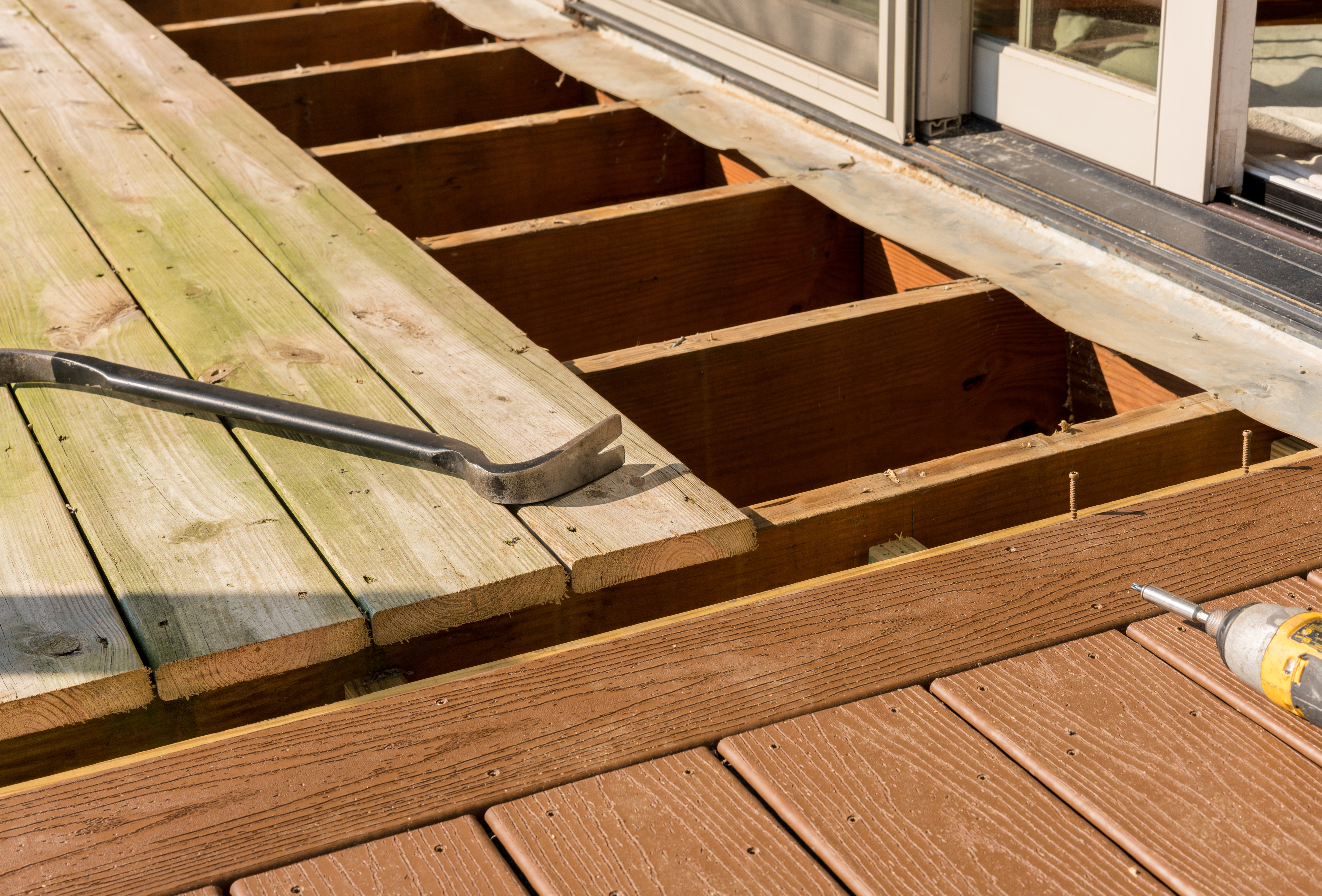
If you have wood decking, there are several common deck problems that you might encounter. For example, your natural wood boards may fade over time due to things like sunlight, weather, and debris. On top of that, some types of wood decking can rot, grow mold, and attract destructive pests—including termites, carpenter ants, and woodpeckers.
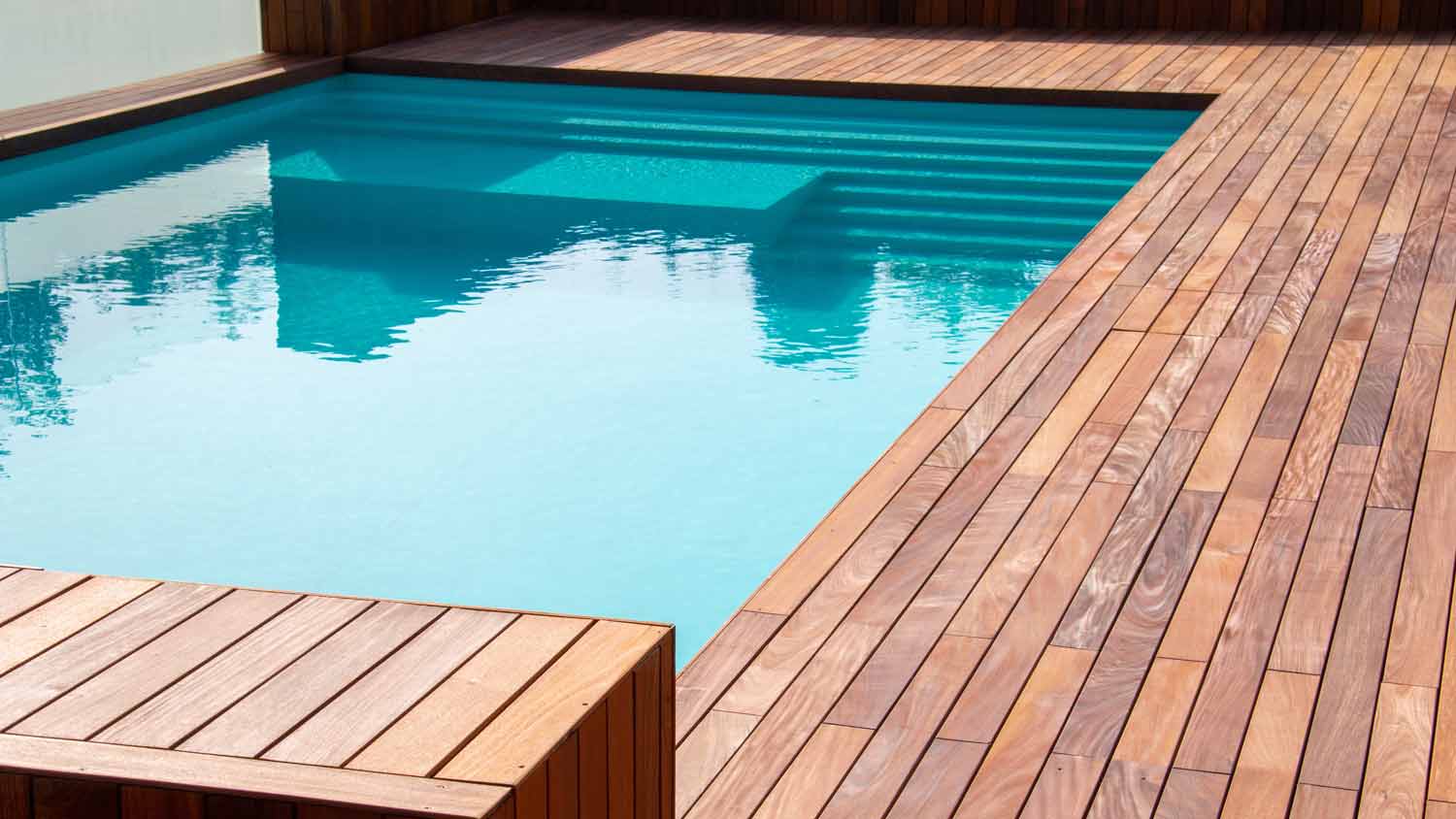
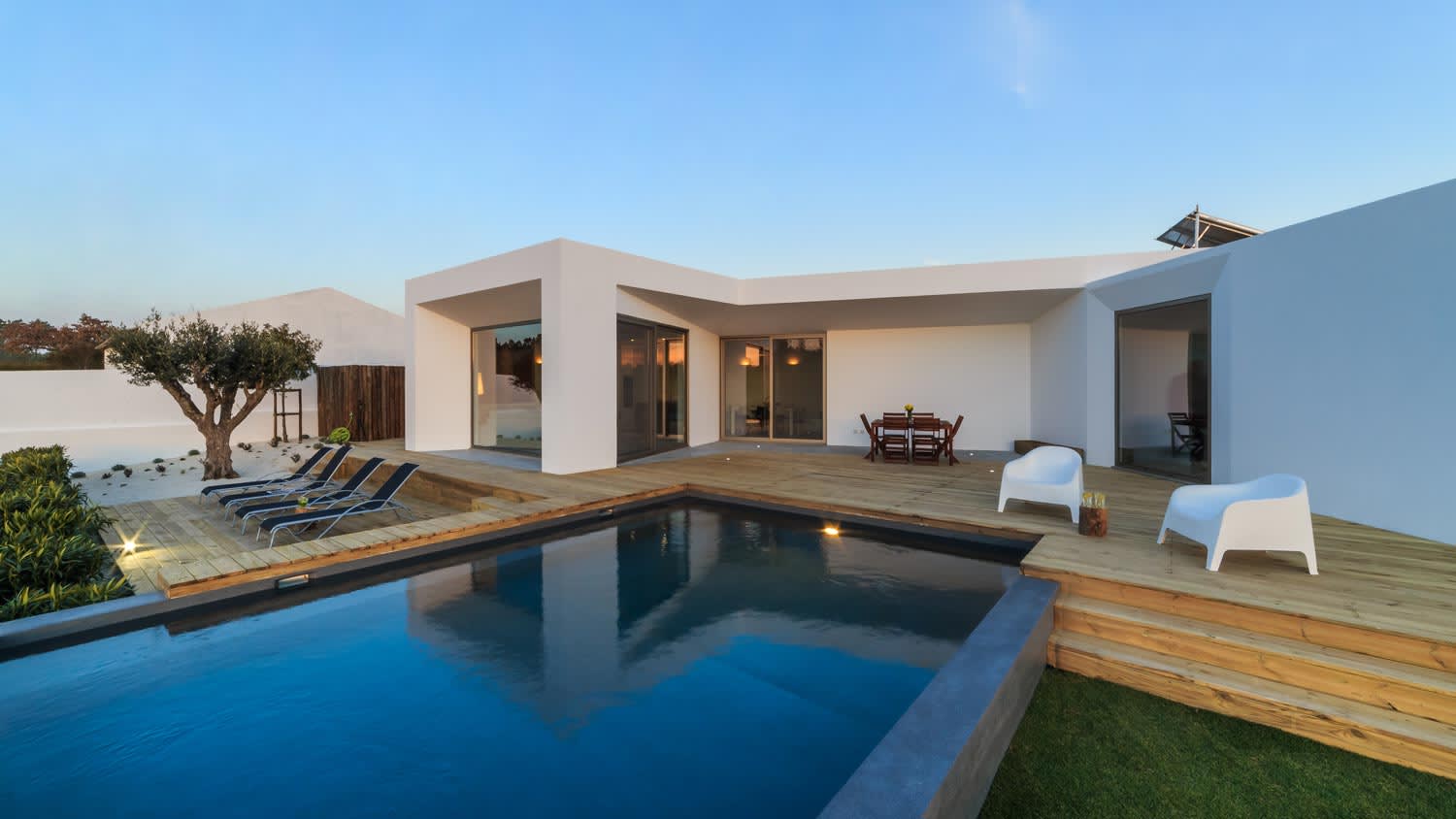
The cost to build a deck around a pool typically ranges from $3,000 to $12,000, depending on the size, material, and whether you tackle the build yourself. Most people pay an average of $5,000 for their pool deck project. Hiring a pro to build a pool will cost you more for labor, but it will be worth it to ensure a safe and secure installation.
Yes. Freestanding or floating decks are exactly what the name implies—structures with their own support beams. You can build a deck yourself and place it next to a house for the illusion of a connected deck without the hassle. Or you can construct it in a separate part of your yard for a dedicated outdoor entertainment space. For the purpose of removing a freestanding deck, the steps are the same as an attached deck, but you don’t have to cut the deck away from the home.
Generally, a patio is more accessible than a standard deck because patios are constructed at ground level. However, decks can be made accessible by adding a wheelchair-accessible ramp, a vertical lift, or a stair lift along the entry. An ADA-compliant deck ramp costs about $3,000 on average. The additional investment will provide a much friendlier experience for your guests with movement impairments.
The Elko, NV homeowners’ guide to deck repair services
From average costs to expert advice, get all the answers you need to get your job done.
Deck replacement costs depend on materials, any structural damage you need to fix, and more. This guide explores how much it costs to replace or repair a deck.
Refinishing your deck is a great way to restore its appearance and fall in love with your outdoor space. Use this guide to learn how much it costs based on factors like size and type.
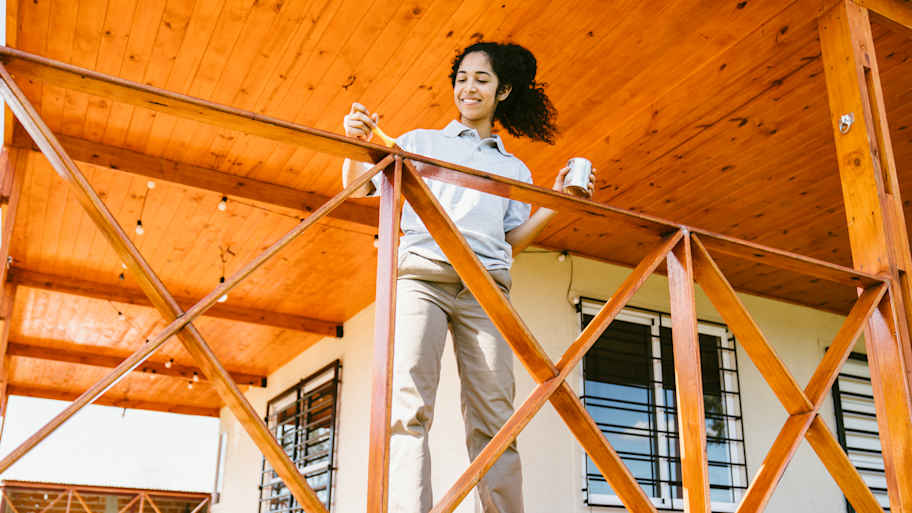
Old and run-down porch railings can be an eyesore and pose a risk of falling. Find out how much it costs to replace your worn out porch railings with new materials.
If your deck is in bad shape, this deck repair checklist will help you inspect, clean, maintain, and repair it without missing any vital steps in the process.