


"If you need any Stucco work done, this is the company to do the job. Sergio was professional and a pleasure to work with throughout the experience from initial estimate through the completion of the job. This was a difficult job, and the result was incredible, and the cost more than fair. Sergio is one of the most ethical contractors I have ever had the pleasure to work with."
"I think his name was Luis. He was Hispanic. He was so kind, and thoughtful. He did a great job. He was very professional. I highly recommend him for a job. Thanks!!"
The curing time for stucco typically takes several weeks to fully complete. During the curing process, the stucco undergoes a chemical reaction and gradually hardens. It's important to note that curing is different from drying. While the surface of the stucco may dry relatively quickly within a few hours or days, the curing process continues beneath the surface, strengthening and solidifying the stucco.
It's best to avoid excessive moisture exposure during the curing period, as it can impede the curing process. The exact curing time can vary based on factors such as temperature, humidity, and the specific stucco mixture used.
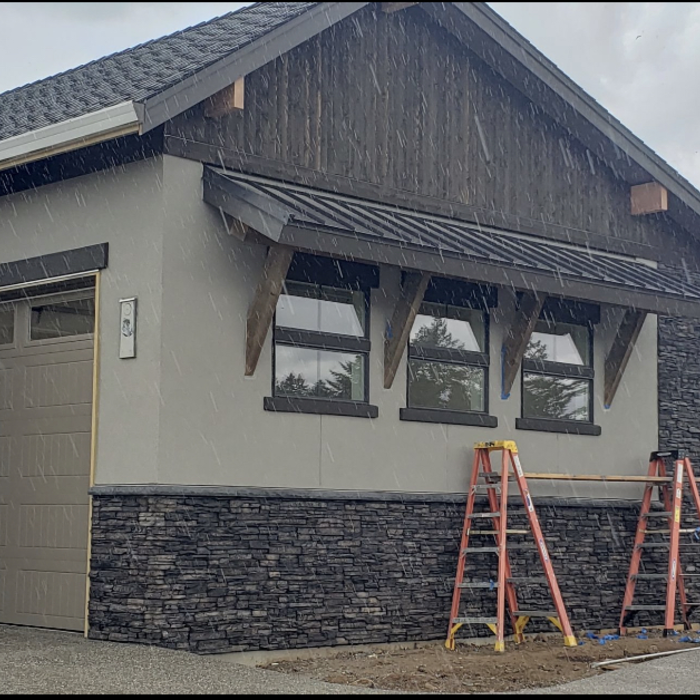
You should aim to let stucco dry for at least 48 hours before it rains. While misting new stucco and keeping it moderately moist is important for strength and longevity, uncontrolled exposure to rain can lead to weak stucco that doesn’t bond properly. Rain can also affect the stucco finish and the color unevenly, leaving you with less appealing siding.
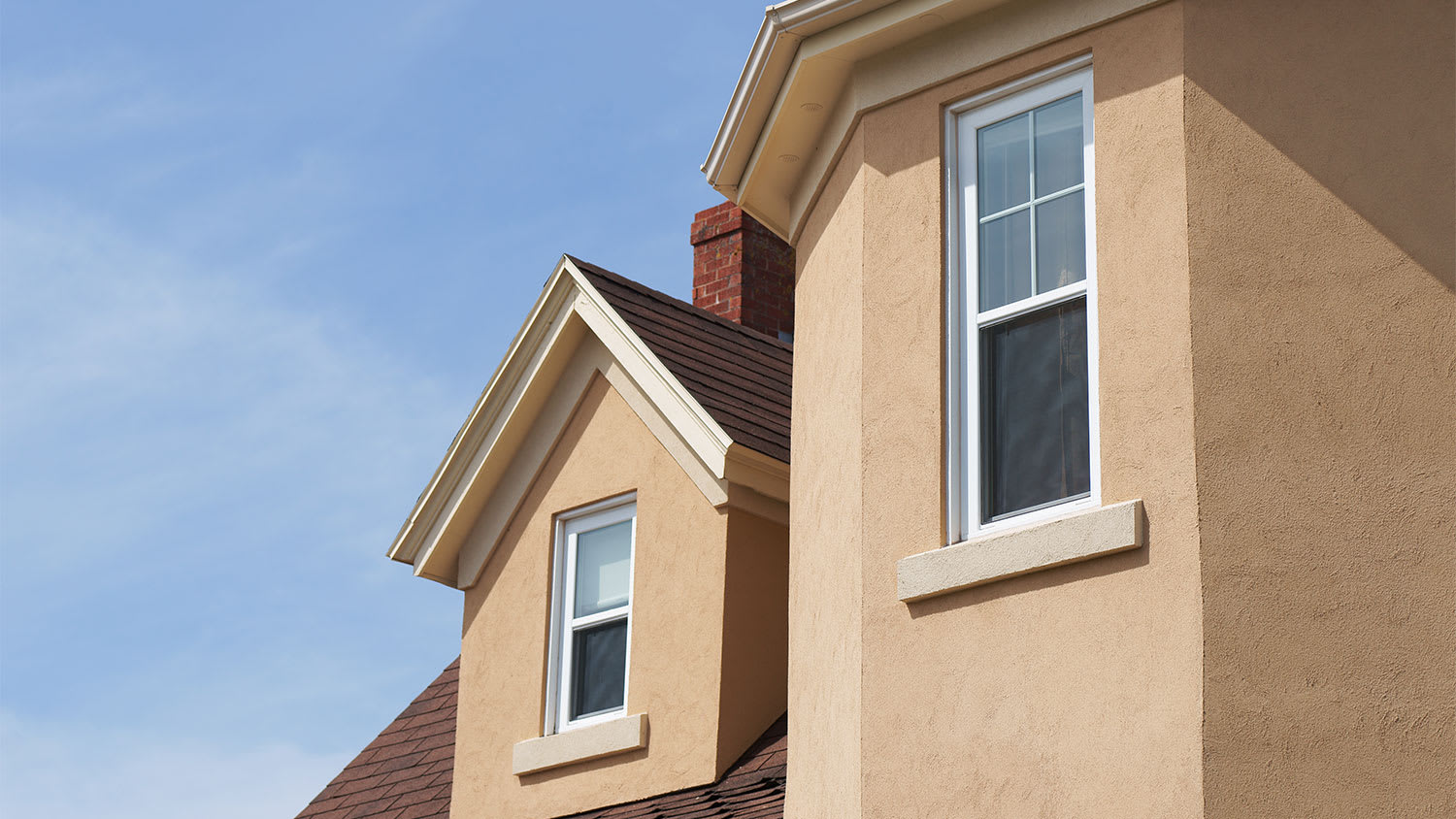
Neutral colors like white, tan, beige, and light brown are the most popular stucco colors. Natural stucco has a grayish color due to the high concentration of Portland cement in the material, but most homeowners have their contractors add pigments to create a more inviting appearance. Stucco is most popular in hotter climates, where it provides ample insulation to regulate interior temperatures and keep the solar heat out. Since lighter colors reflect more sunlight, lighter stucco is more prevalent.
All of the components of stucco are non-combustible, so the siding material won’t ignite or spread fire to the interior of your home. However, it also expands and contracts with changes in temperature, so it will crack from long exposure to heat. Eventually, fire will spread through those cracks. Still, stucco is one of the best siding materials for fire protection and can keep you and your family safe for an hour, on average.
It’s not advisable to use CLR on stucco. CLR is a powerful acidic cleaner designed for removing tough mineral stains. Stucco is a porous material commonly made of cement, lime, and sand. The acidic nature of CLR can potentially damage or etch the stucco surface, leading to discoloration or deterioration.
It is best to use cleaning solutions specifically formulated for stucco or mild household cleaners mixed with water to clean stucco siding. Always test any cleaning product in a small, inconspicuous area before applying it to the entire stucco surface.
The Carlin, NV homeowners’ guide to stucco services
From average costs to expert advice, get all the answers you need to get your job done.
Discover the cost to stucco a house in 2026, including average prices, key factors, and tips to help you budget and plan your stucco project with confidence.
Installing new stucco gives your home a facelift and boosts home value. But can you stucco over stucco? You can, but there are some things to consider.
Choose the right pro for stucco installation to get the best professional-quality results. Learn who does stucco installation and the benefits of hiring a pro.
Wondering if stucco increases home value? The short answer is, yes, but the ROI you’ll see depends on a few factors, like location and installation costs.