"I only use James when I need some work done to my house. He responds fast, gets the work done quicker than just about anyone else I've ever used and seems very concerned with leaving his customers happy."
A driveway approach is the part of a driveway where the public road meets the private driveway. This section contains several key elements, including the driveway apron, the curb cut, and the end slope. Depending on the slope of the driveway, this area may also contain the trench drain.
If you notice minor cosmetic problems with your driveway, you should seal it. Look out for cracks and holes on the surface, faded asphalt or concrete, and stains from oil and other chemicals. Replacing your driveway may be necessary if you’re dealing with significant problems—¼-inch cracks, large potholes, and puddles from drainage issues. The cost to install an asphalt driveway typically ranges between $4,200 and $9,000, significantly more than resealing. Consider talking to a professional to discuss whether resurfacing your driveway—a midway project between resealing and replacing—is a better option for you.
In terms of durability, concrete driveways can last more than 50 years when properly maintained, compared to the typical 30 years for an asphalt driveway. However, the durability depends on the climate, base material and thickness, and thickness of the concrete or asphalt used. The longevity of concrete or asphalt driveways also depends on how well it’s maintained and the amount of wear and tear it endures.
Your driveway contractor will probably recommend that you avoid driving on your new millings driveway for up to a week. Keeping pressure off the freshy applied millings will help the driveway to bind together. While the sun is helpful for binding millings, hotter weather can actually make the curing process take longer.
The three most common types of asphalt are hot asphalt, MC cold mix, and UPM asphalt.
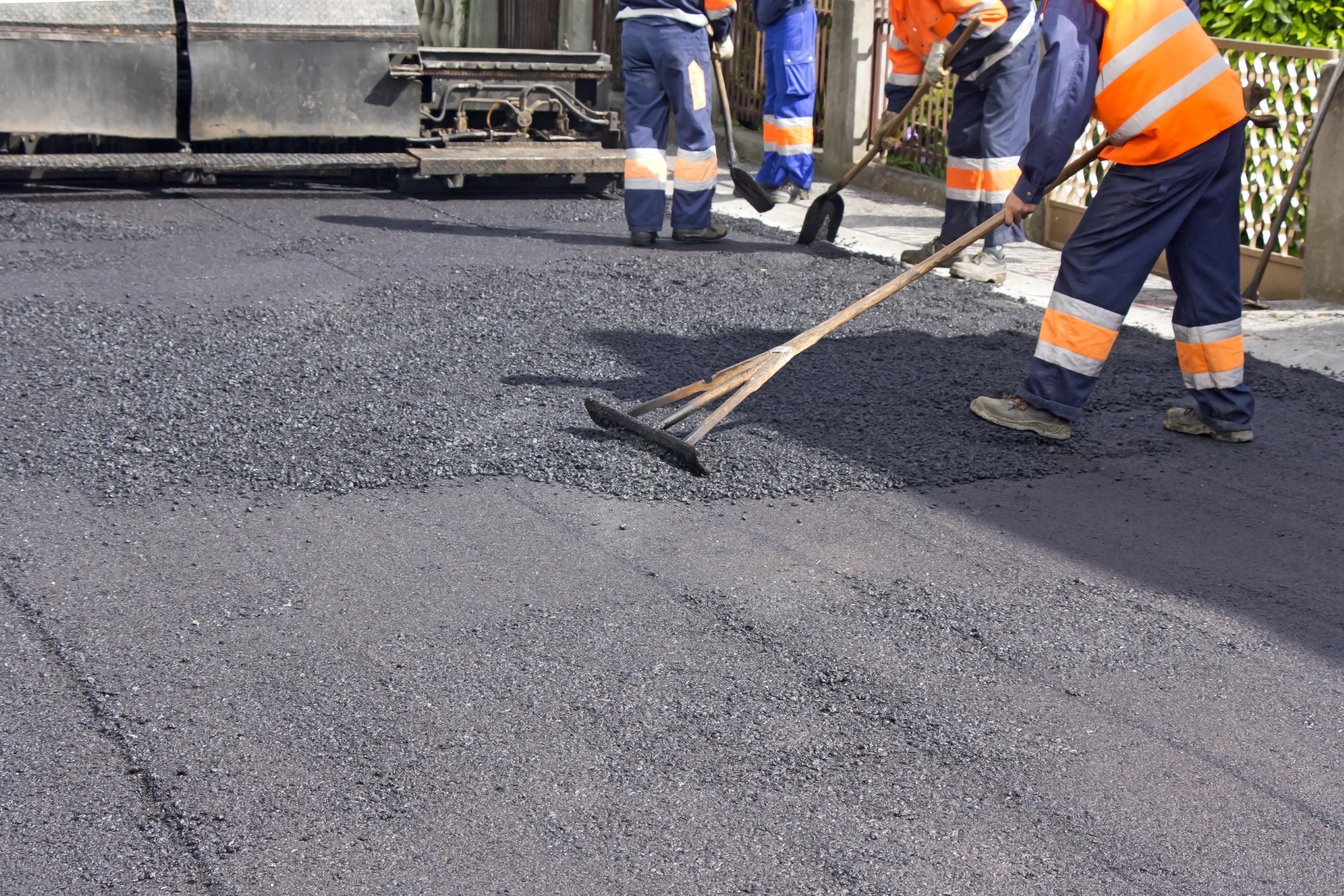
Hot asphalt is used most often for paving and patching roadways while it’s hot and workable. MC cold mix asphalt cures more slowly than hot asphalt, but it can be used for temporary patches and repairs in low-traffic areas. UPM is also used cold, but it can be used as a longer-term fix, usable in almost any conditions at almost any temperature.
The Beowawe, NV homeowners’ guide to asphalt driveway services
From average costs to expert advice, get all the answers you need to get your job done.
Adding a new asphalt driveway to your home can boost its overall appearance and give homeowners a nice ROI down the line. But how long do asphalt driveways last, and what can you do to maximize their lifespans? Read this guide to find out.