You can maneuver your gas grill into place, but you cannot connect the grill to your gas source yourself. All municipalities mandate that a certified plumber carry out this work, so you’ll have to reach out to a plumber or a gas grill installation company in your area. Given how dangerous a gas leak can be, gas lines and connections are highly regulated, so you’ll need a professional’s help and a permit to install a gas grill.
Yes, it’s possible to cap a gas line yourself if you’re no longer using it or are simply going out of town for an extended period of time. It’s essential to follow the steps on properly capping a gas line yourself. If you’re uncomfortable with any of the steps, you may want to bring in a natural gas plumber for added reassurance.
Whether an earthquake gas shut-off valve is required depends on your location and circumstances. Certain cities, states, and even insurance providers mandate them, especially in areas with high seismic activity. In California, for example, while laws vary by county, most jurisdictions require a valve to be installed in newly constructed homes or when a home is sold or renovated. The Los Angeles Municipal Code specifically requires a licensed contractor for installation. Even if not required by law, installing a seismic shut-off valve is a wise safety measure. These devices automatically cut off the flow of gas during an earthquake, which can prevent gas leaks, fires, and explosions. It is recommended to check with your local building department for specific laws regarding installation, permitting, and inspections, and to ensure the valve you install is on your city's list of approved models.
No, you cannot plant a tree above a gas line. Tree roots grow and spread over time and can sometimes dent, crack, or penetrate a gas line. Those same roots may also cause accessibility problems for maintenance or repairs. You can generally plant vegetation with non-invasive root systems, low-growing vegetation, and flower beds near gas lines.
Call 811 to locate and mark the gas lines at least three days before digging. In many areas, you can dig within 18 inches of the lines, though in some locations, the distance may be further. Check local regulations, as you may need a utility company representative onsite when digging. Document your calls to 811 and precautions taken to avoid gas lines. A homeowner can be held liable for hitting a gas line in some cases, but contacting the proper authorities and following all guidelines can offer protection.
The Williamsburg, NM homeowners’ guide to gas leak repairs
From average costs to expert advice, get all the answers you need to get your job done.
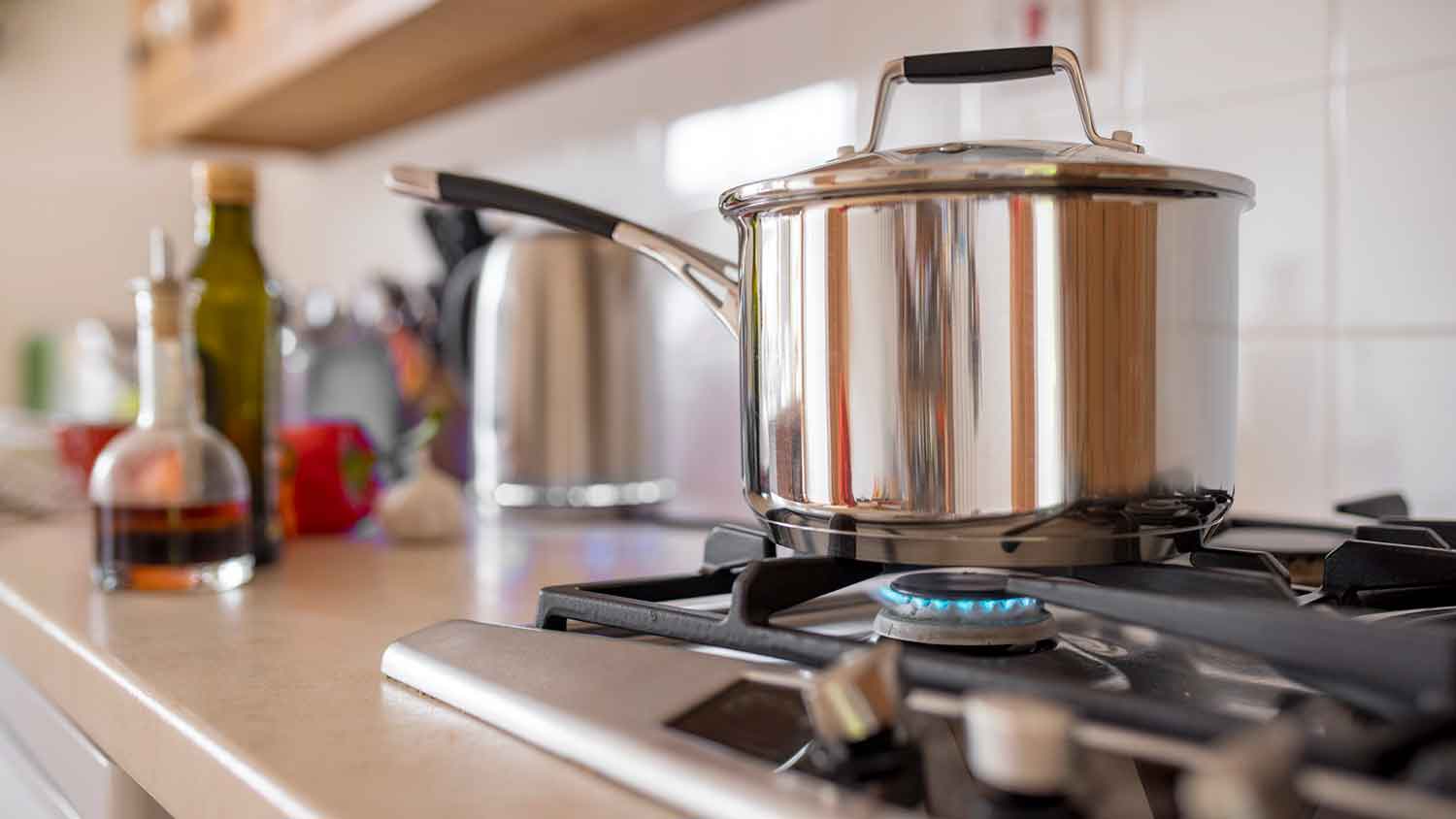
Whether it's time for pipe replacement or to hook up the range of your dreams, gas line installation cost is an important line in your budget. Let's take a look.

Pipe leak repair costs depend on the location and severity of the leak, as well as the type of pipe being replaced. Use our guide to price out repair work.
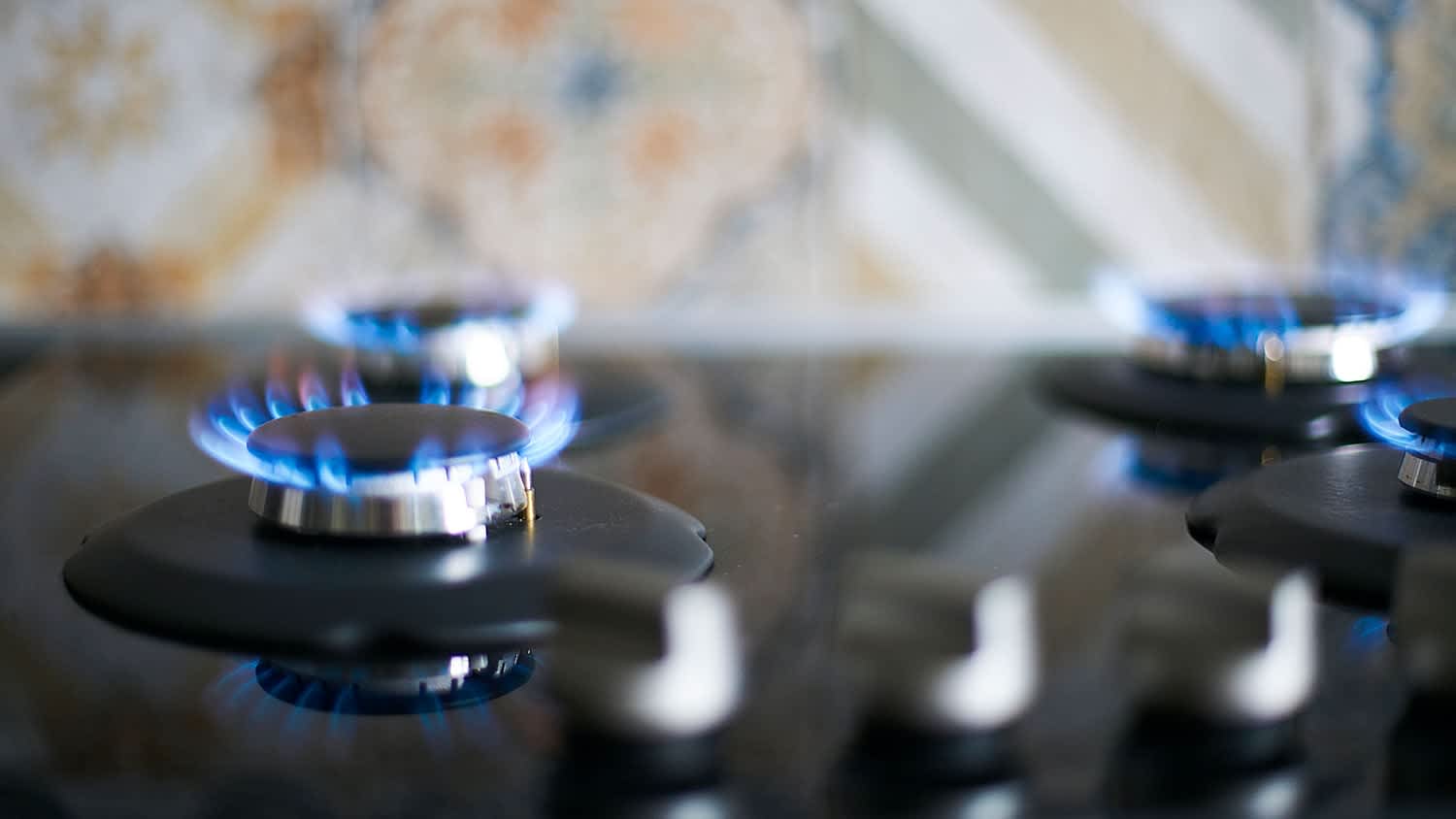
Gas leaks pose serious risks to your home and health. This essential homeowner guide teaches you how to check a gas line for leaks and steps to help prevent them.
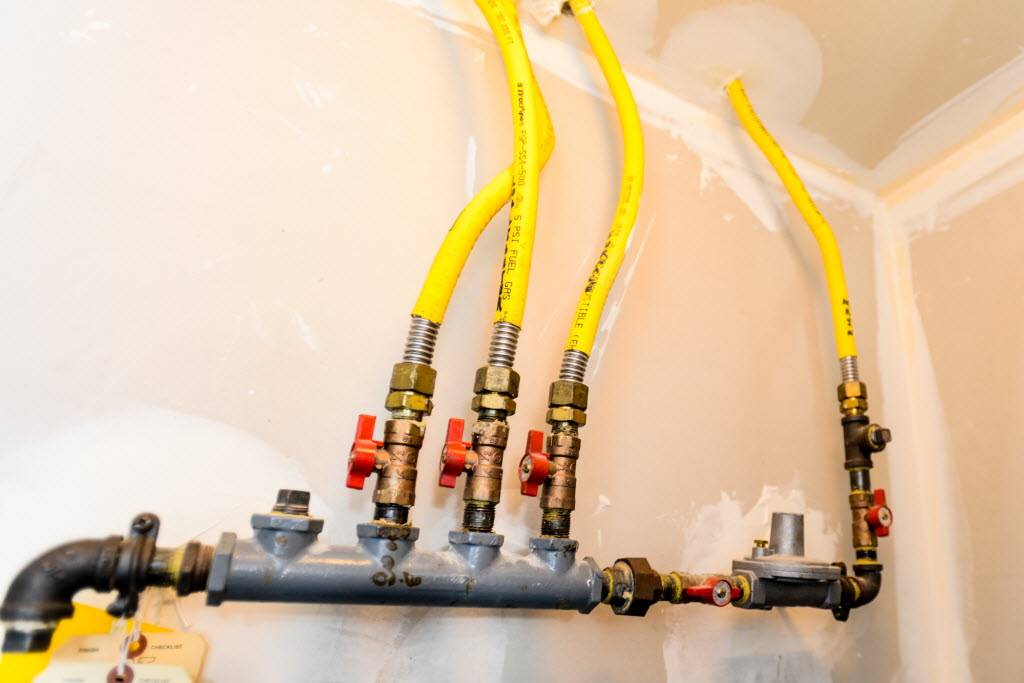
Understanding the signs of a gas leak in your house can keep your family safe. Know what to look out for and what to do if you suspect signs of a gas leak.