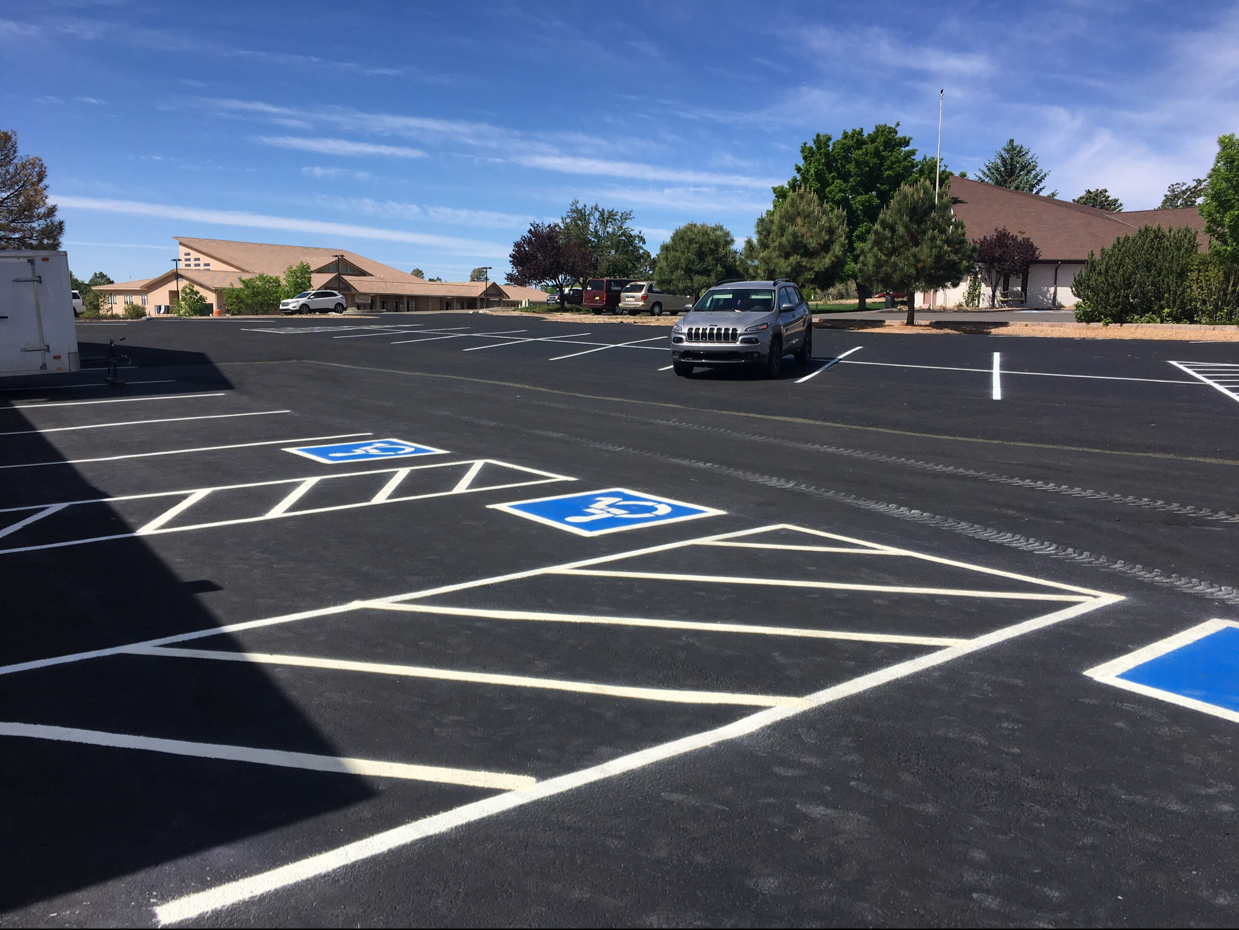
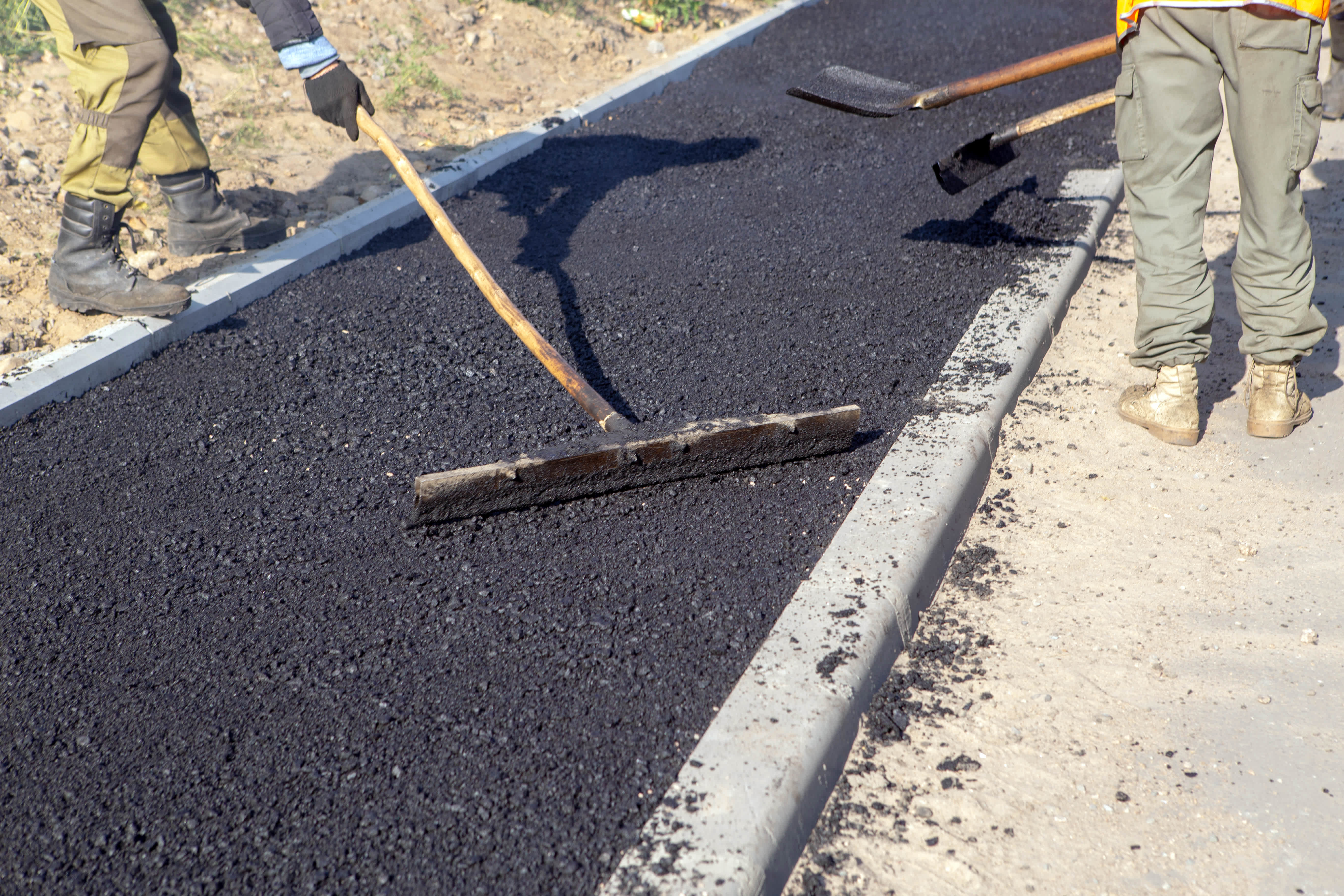
"Went GREAT! I got quotes from 3 different companies. Out of the 3 quotes I received Mike & Martins Asphalt & Paving was more professional, punctual and cost effective than the other 2. Another thing they did that stood out from the rest was the time they took to educate me on the whole process. Never having asphalt done before I had no idea what to expect. After meeting with Mike I felt very informed and comfortable moving forward with the project. The job is complete now and looks great! Mike called me a couple days after the project was done just to thank me one more time for my business. I don't usually take time to write reviews but these guys made a great impression. I highly recommend and would absolutely use them again in the future. Thanks"
In most cases, driveway repair is worth the investment. Your driveway is one of the first things people see when they look at your home, so repairing cracks, chips, and potholes can improve your home’s curb appeal and overall value. Repairing your driveway is also almost always more affordable than replacing it entirely—an average of $1,765 compared to the cost of replacing a driveway, which typically costs around $5,000.
A traditional driveway gate isn’t your only option when installing a barricade in front of your driveway. A security gate like a swing gate, double swing gate, bi-folding gate, vertical gate, or pivot gate could work just as well as your driveway gate—if not better for your home depending on which qualities you’re after. Like sliding driveway gates, many of these alternatives work with automatic features that simplify entering and exiting your property.
Compared to a 10x20 concrete driveway costing between $800 and $3,000, a resin bound driveway of the same size costing $3,900 to $4,000 is the more expensive option. However, the cost still makes resin a cheaper option compared to a 10x20 paver driveway costing an average of $12,000.
To ensure you hire a reliable and experienced paving company, you should start by finding companies in your area that have at least five to ten years of experience working in your neighborhood. Next, rule out companies with poor reviews online or a series of complaints filed with the Better Business Bureau. Since driveways affect your curb appeal, you should also ask each company for references and pictures of recent work to make sure the work the company does is professional and high quality. Finally, check that the company is licensed and insured.
Yes, but it's best to kill off the grass with solarization and remove the dead plant matter before laying down the pavers. This helps limit the chance of your pavers shifting as the dead plant matter decomposes.
The Springer, NM homeowners’ guide to paving services
From average costs to expert advice, get all the answers you need to get your job done.
The cost of a tar and chip driveway falls between gravel and asphalt. Is this unique process the happy medium you've been looking for? Let's take a look.
Get proactive with marketing for your paving contractor business. Use these paving marketing ideas (ranked by budget and experience level) to grow your business, get more leads, and earn more money.