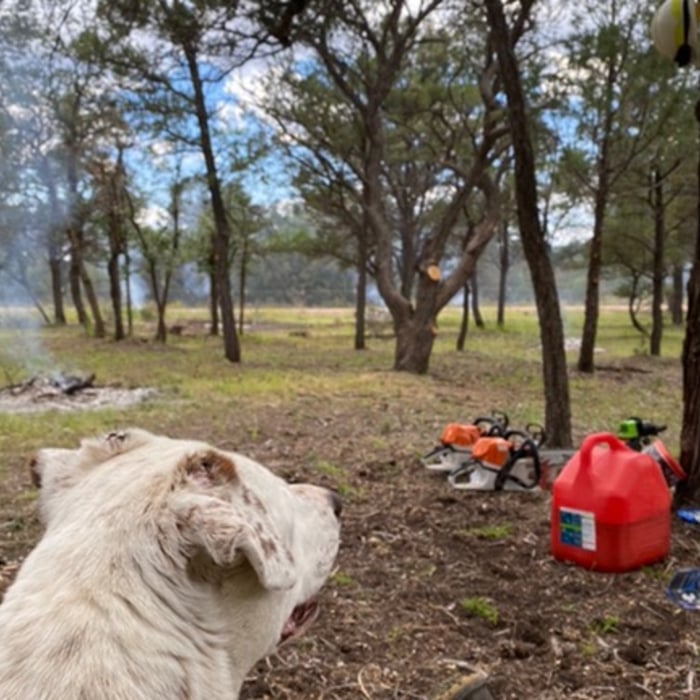
"Property Has Never Looked better. Can't say enough good things about this company they were professional on time and exceeded our expectations, Living in New Mexico you have to be prepared for fire at a moment's notice we now feel much safer in our home."
"Very friendly, good spirited man. Did a marvelous job with putting up moister barrier, cement boards and tiles. Very respectful towards house an customer.Very satisfied with the work Joey and his partner performed!!"
If you’re looking for a similar, eco-friendly driveway material, you might consider one of these options:
Permeable pavement: This material is sometimes called “pervious” or “porous” pavement; it allows stormwater to drain into the subbase, eliminating storm drain costs.
Gravel: Consider paving your driveway with locally sourced gravel. By sourcing from a nearby source, your money won’t fund international shipping and will be invested back into your local community.
Natural stone pavers: Because natural stone pavers are made from organically-produced stone, there’s no new manufacturing required, limiting the environmental impact. In addition, water easily flows and drains through the gaps in the pavers.
The cost to install interlocking pavers typically ranges from $10 to $30 per square foot. The final price is influenced by several factors, including the total area size, the complexity of the design or pattern, the type of paver material selected, and labor costs. Additional requirements such as ground preparation can also increase the total budget.
Yes, a paved or repaved driveway can boost your home's value by increasing its curb appeal and the functionality of your outdoor space. A new driveway can add anywhere from $5,000 to $20,000 to a property's value. An old, crumbling driveway can be a red flag for potential buyers and inspectors.
The amount of value added depends on the materials used, the design, and local market conditions. Concrete is often cited as adding the most value due to its long lifespan, though asphalt may be more desirable in colder climates. The return on investment is greatest when replacing a driveway that is in poor condition; repaving a driveway that is already in good shape will not yield as significant an increase in value.
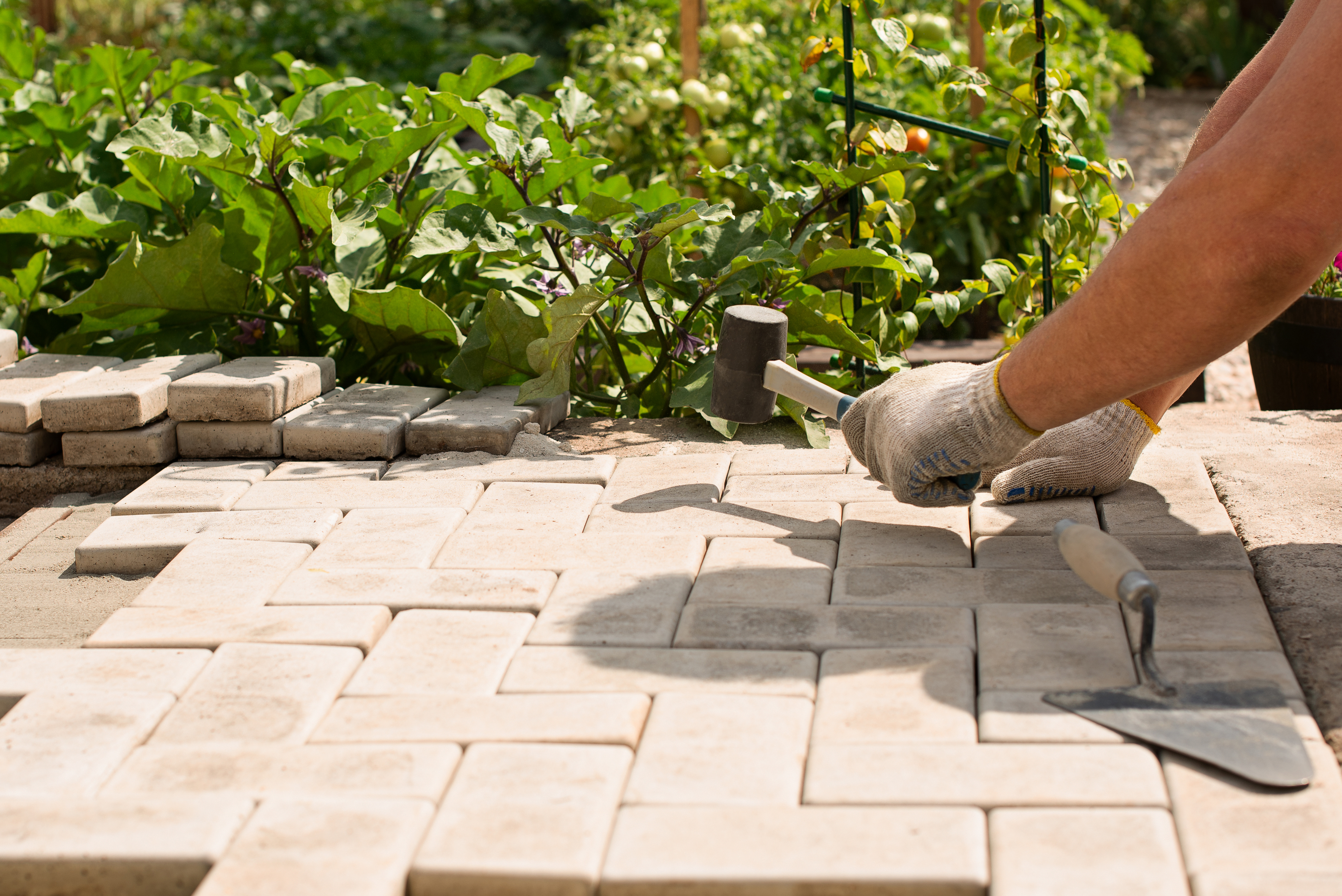
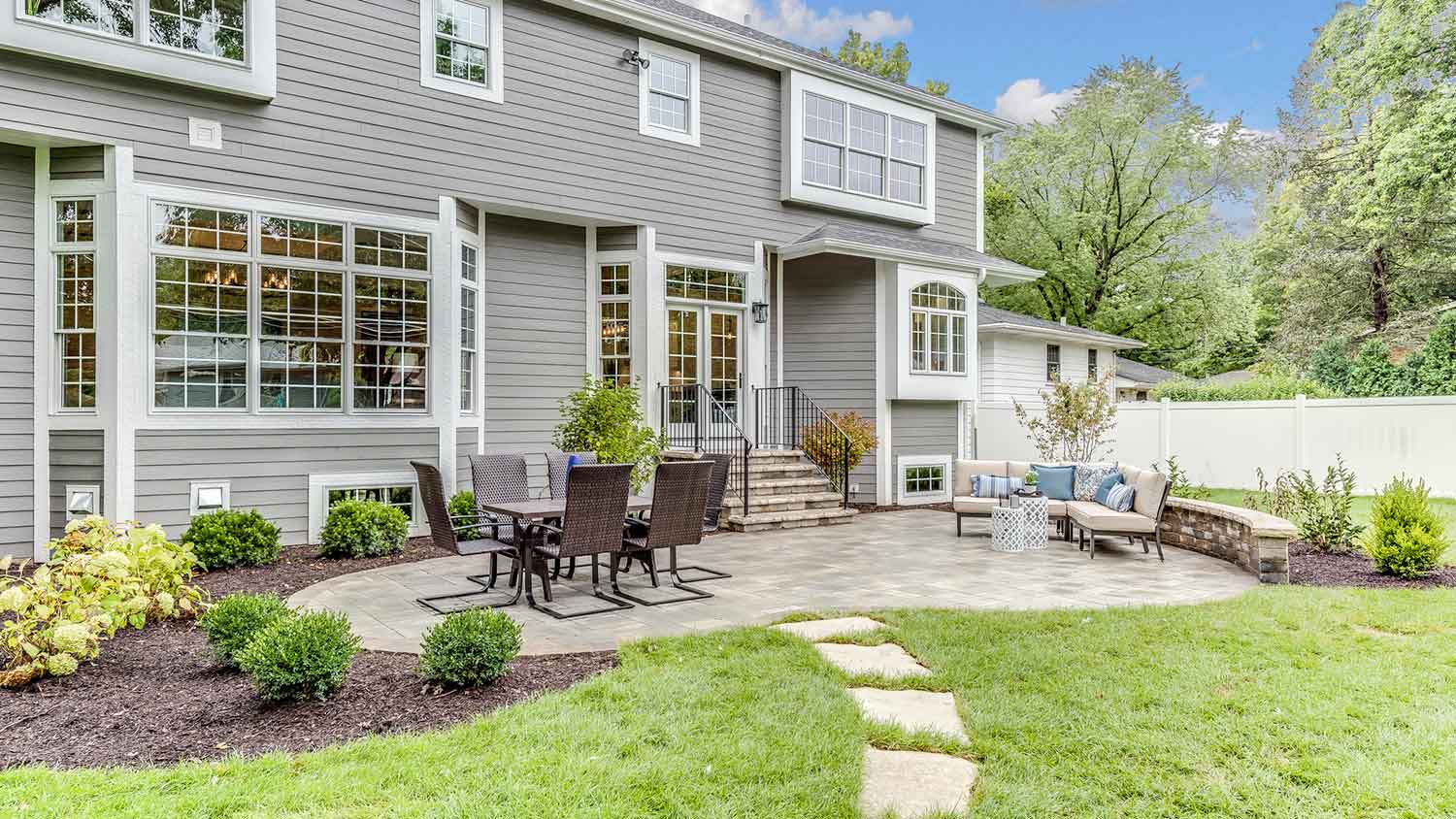
Whether you decide to DIY paver installation or want to hire a pro, it’s smart to understand the process. First, you’ll need to prepare the area by clearing away grass and dirt. Next, you’ll add the paver base of gravel and sand before laying the pavers on top. You may need to cut pavers to fit your space or the landscaping design and add edging stones.
Professional installers often include a deep layer of crushed gravel under permeable pavers to allow more runoff to soak through into the soil below. Many installations will include multiple layers of gravel, with coarser aggregate at the base and finer aggregate that sits on top of that bottom layer. Above the gravel, you’ll often find coarse sand that helps reduce paver shifting over time. Some permeable paver designs include a water collection system set into the gravel layer to route runoff to a safe area for disposal.
The Springer, NM homeowners’ guide to pavers and hardscaping services
From average costs to expert advice, get all the answers you need to get your job done.
Have you noticed your pavers sinking or would you like to forget about the stains on your driveway? Here are common paver problems and what to do about them.
Choosing the right type of pavers for your hardscape can be a challenge with all the options on the market. Check out the most popular varieties to narrow down your list.
When it comes to landscaping stones, there are plenty of options. Picking the right hardscaping option for your home’s exterior comes down to the purpose and your desired look. This guide explains what you need to know to choose