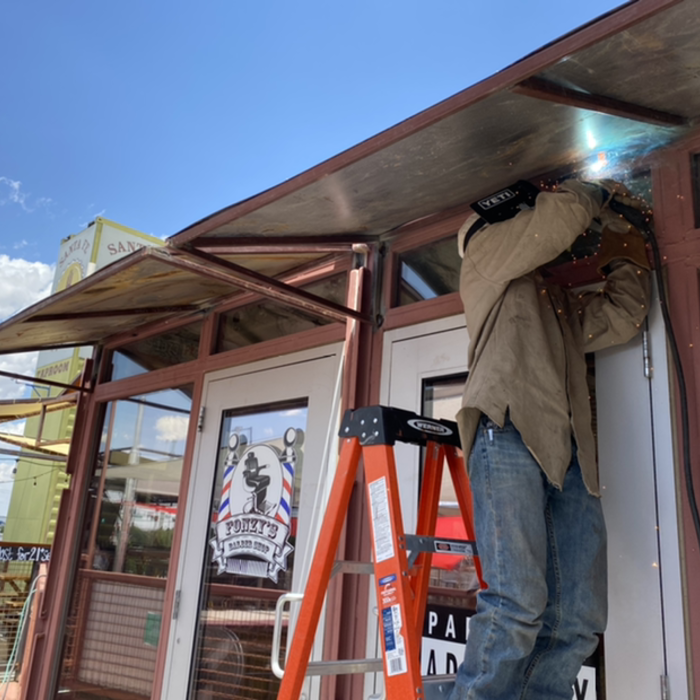
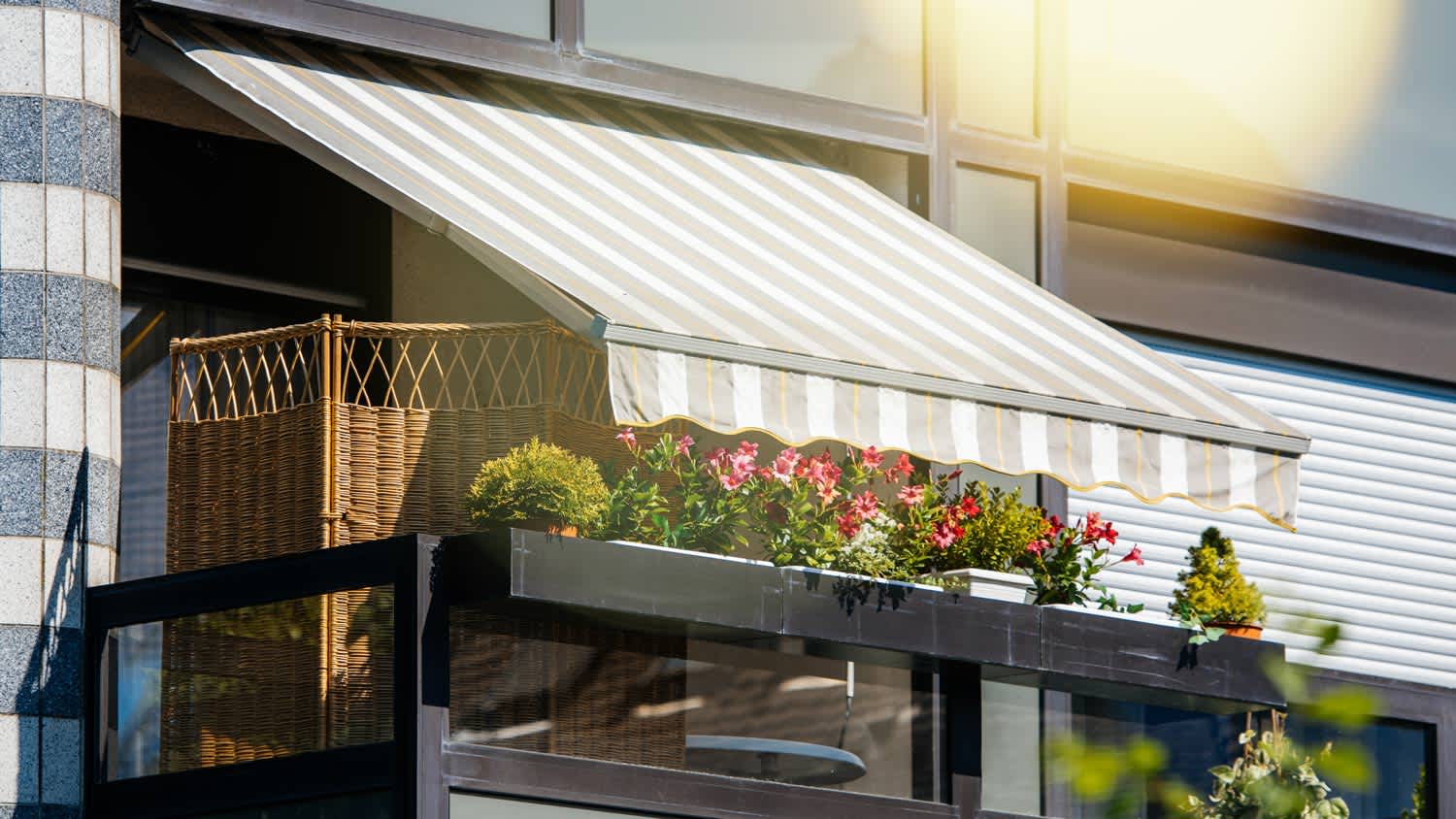
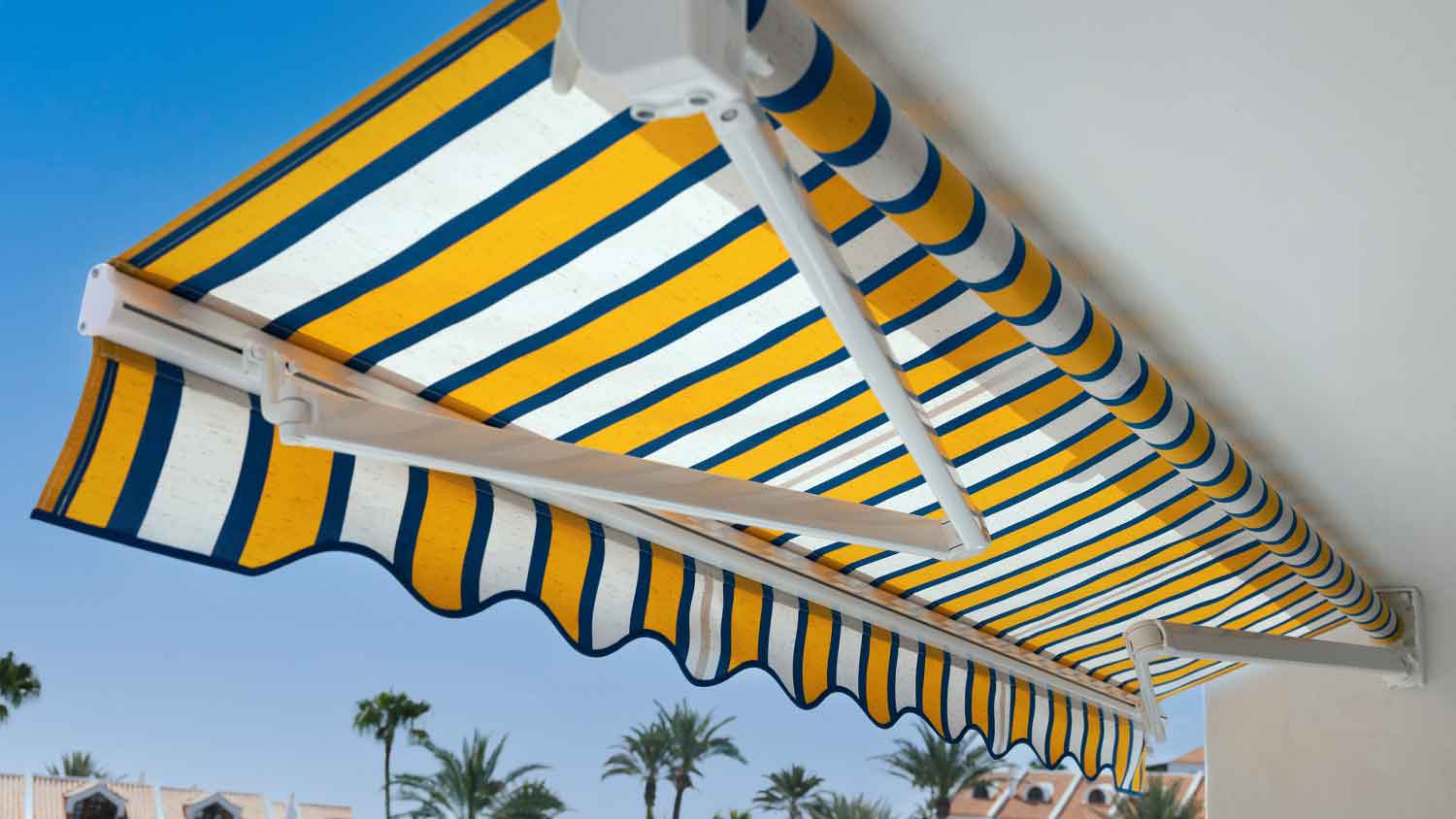
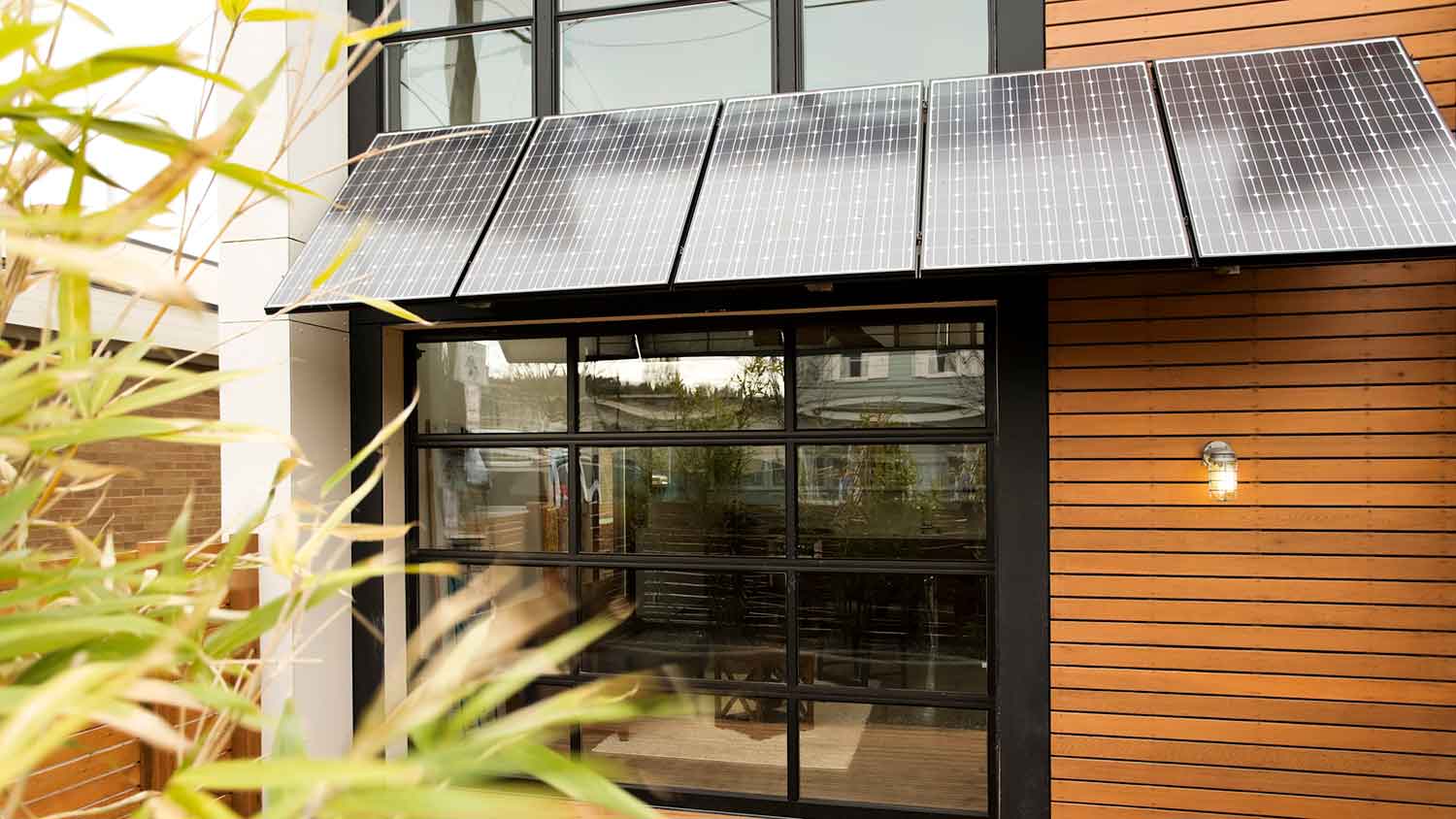
Metal awnings last much longer than fabric thanks to their durability and resistance to fading, sun damage, and damage from the outside elements. They also need less maintenance than fabric options. Both items add curb appeal to your home, but you shouldn't expect either type of awning to add property value to your home.
Yes, most awnings include warranties for materials and installation. Confirm terms before purchasing.
Creating a screen room is one of the most cost-effective ways to enclose a patio so you can still use it in the winter. Most screen rooms aren’t insulated, so you’ll need to wrap up warm or use patio heaters in winter. Also, be aware they might not hold up well if you live in a location where heavy snow is common.
You can start your search for a reputable patio company by finding providers in your area with positive ratings online and few, if any, complaints filed with the Better Business Bureau (BBB). Once you narrow down your search, contact the companies and ask for examples of their past work, as well as a list of references. The examples will show you the quality of the work you can expect and how professional the finished product will be, and contacting previous customers will give you an idea of the service you can expect throughout the process.
The cheapest material for covering a tennis court is rubber or clay. Rubber needs to be installed over a concrete or asphalt base, however, which can make the project more expensive up-front (but cheaper to resurface over time). Clay courts are among the most affordable, but they aren’t the best to play on and require a lot of maintenance.
The Santa Rosa, NM homeowners’ guide to patio cover services
From average costs to expert advice, get all the answers you need to get your job done.
Learn how to hire a fabric awning or patio cover installation pro. Find qualified contractors, ask the right questions, and get your project done right.
Consider these awning questions when installing or replacing a metal awning or patio cover. The answers can determine who you hire and how long the project takes.