"Tried to contact for a home inspection, and sounded like the phone was picked up and then hung up. Tried again a few hours later and just went to voicemail. "
At Tres Razas IRC Handyman Services it is our mission to provide the highest quality of service in all aspects of our business. We are extremely thorough in services that we provide and aim to be very receptive to any client's issues, questions or concerns and handle them promptly and professionally. We take necessary steps to ensure that our clients are completely satisfied with all of our contractual and assumed responsibilities. Above all else, we will fulfill these responsibilities while maintaining the highest ethical standards in both of our work and our character. You'll find us to be a family-oriented company, and we absolutely love working with other families around us. Our prices are very affordable, so please call today for a free estimate!
\n
\nVisit us at: https://tres-razas-irc-handyman-services.business.site
We're a locally owned and operated company that values honesty and integrity and treats your home as if it were our own. We offer a variety of General Contractor Home Improvement services that are customizable to each individual project. We specialize in Additions and Kitchen Remodels, but also offer a wide range of expertise for a variety of other projects. We pride ourselves on the quality of our work as well as our commitment to outstanding results. We look forward to building lasting relationships and guarantee your satisfaction!
\n
\n
When you are looking for a contractor that follows business practices such as promptly returning phone calls, arriving on time for appointments and following through on promises then to call our reputable business today.. We will be the one and only contractor you'll ever need.
\nOur customer satisfaction is our top priority. We will earn your trust for a lifetime. We believe in making all clients repeat clients. You can be assured you're in good hands with our crew working on your home improvement project.
\nCall us today you'll be pleased you did
We have 22 years of experience in the business. At Hometech Builders 3-D Designs, LLC, we pride our company on reliability, great communication, personal service, integrity, and quality work. Thank you.
We have the experience and we are committed to providing quality workmanship and superior customer service on all our applications. We at Cheepos Custom Concrete strive to maintain our reputation as a high quality, very service oriented company with our main focus being customer satisfaction. Financing offered.
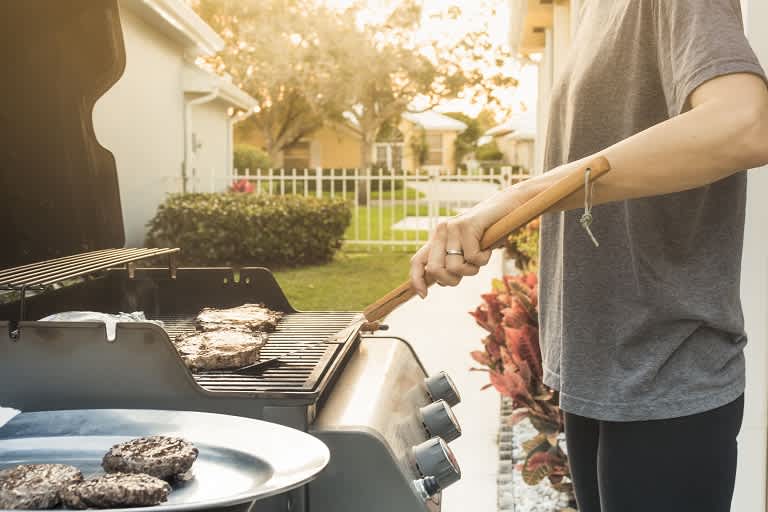
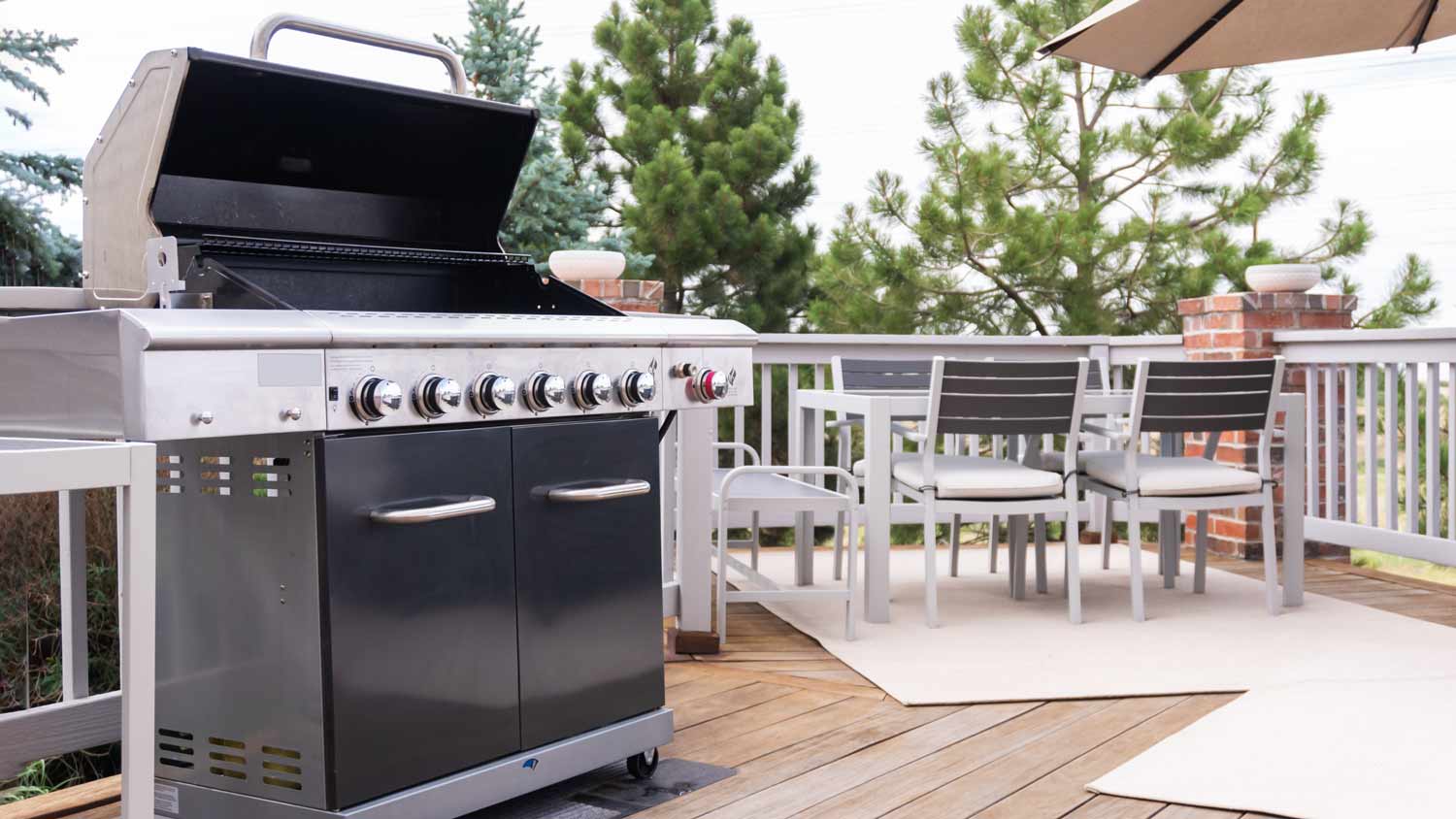
On average, a gas grill can last from five to 15 years. The exact lifespan depends on several factors, including the brand and quality of the grill, frequency of use, and whether the gas line is buried or above ground. With proper maintenance and care, such as regular deep cleanings to remove food, grease, and carbon deposits, a grill's life can be extended. Protecting the grill from the elements with a cover can also prevent rust and reduce the need for repairs. Most grill manufacturers also offer extended warranties, which vary in coverage and terms.
Depending on the appliance and labor requirements, costs range from $150 to $500.
Safety precautions include proper ventilation, regular inspections for leaks, and ensuring tanks and fittings are in good condition to prevent accidental release or fire hazards.
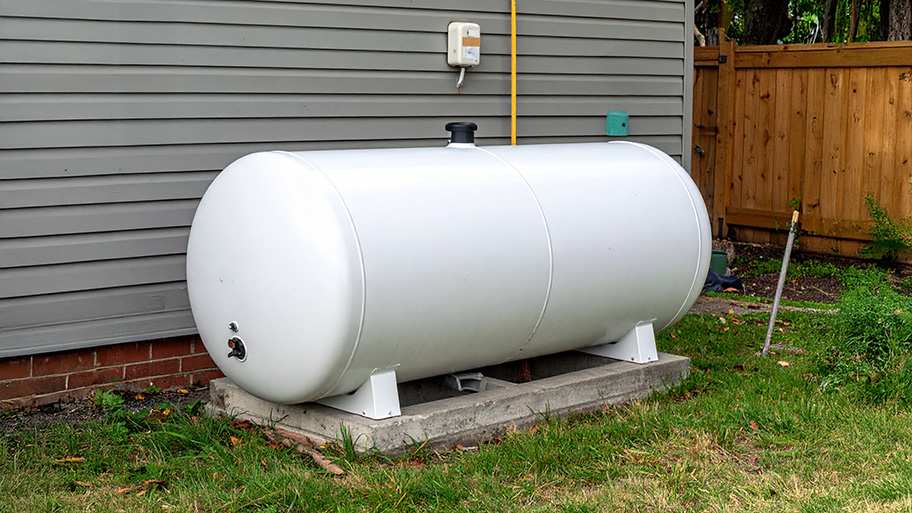
Most likely, a gas plumber would be the best pro for many components in your home, and you might not even realize it. Natural gas plumbers are responsible for maintaining and installing natural gas lines, including installing appliances that use natural gas. These can include:
Fireplaces
Water heaters
Furnaces
Hot tubs
Clothes dryers
Ovens
Outdoor grills
Gas plumbers are also the pros that would handle a natural gas leak in your home, so it's essential to know the signs of a gas leak before it becomes a dangerous situation.
The most significant benefit of having a gas grill over a propane grill is that you never run out of fuel unless there’s an outage in your area, which is rare. Unlike with a propane grill, you’ll never need to haul tanks back and forth to a local fill station, and you’ll never find yourself unable to use your grill because you forgot to refill your tanks. Gas grills also burn slightly cleaner than propane grills, and natural gas costs significantly less than propane, meaning it’s more affordable to run your grill.
The Loving, NM homeowners’ guide to grill assembly services
From average costs to expert advice, get all the answers you need to get your job done.
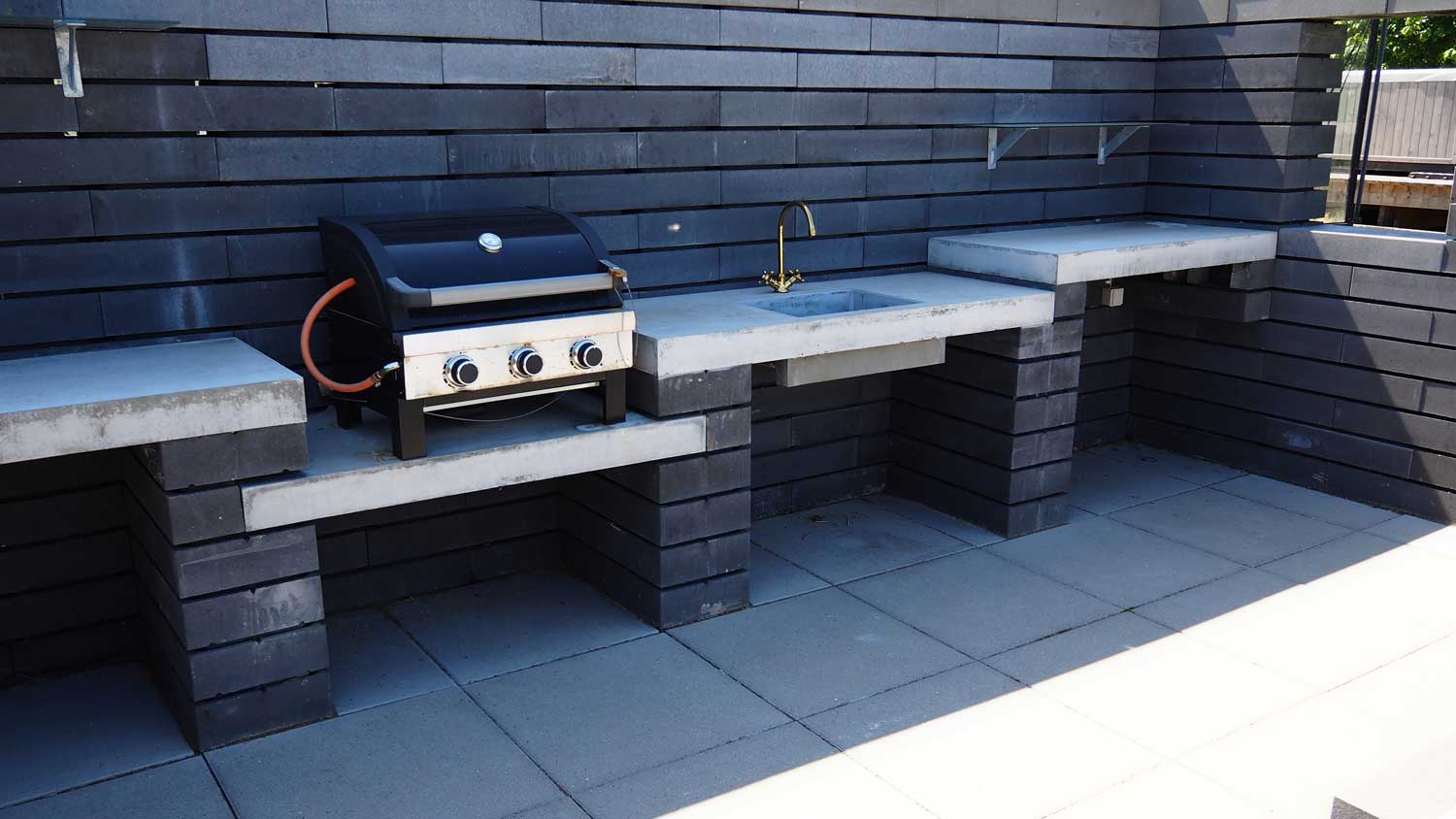
Planning a new outdoor cooking space? Learn everything you need to know about gas grill installation costs, setup options, and how to hire a local pro.
Don’t leave your grill behind when moving house. Learn how to move a grill safely so you can enjoy a home-cooked meal on your first night in your new place.