Top-rated asbestos removal specialists.

Get matched with top asbestos removal specialists in Hondo, NM

Enter your zip and get matched with up to 5 pros

Need a pro for your asbestos abatement project in Hondo, NM?

Select your specific project to find the pro for you.

Find Asbestos removal specialists in Hondo

Avatar for Kleanforce
Kleanforce
4.6(
174
)
Asbestos - Testing

Serving Hondo, NM and surrounding areas

Approved

In business since 2010

Free estimates

Emergency services offered

"Gary n his team are the best very professional, helping and yes they definitely know what theyâ re doing I would recommend them very quick response. 5 star â­ ï¸ rating"
BEFORE
LOS ALAMOS ATTIC
Response time1 day
27 neighbors recently requested a quote
Recommended by98%of homeowners
Asbestos Removal questions, answered by experts

According to the Environmental Protection Agency (EPA), hazardous waste is generally classified into four main categories:

1. Characteristic Wastes: These exhibit at least one of four hazardous traits: ignitability (flammable, like gasoline), corrosivity (can rust or decompose materials, like car batteries), reactivity (unstable and can explode, like aerosol cans), or toxicity (harmful when ingested, like lead-based paint).

2. Listed Wastes: These are specific wastes from manufacturing and industrial processes that the EPA has officially designated as hazardous. They include byproducts from processes that use solvents, pesticides, and other chemicals.

3. Universal Wastes: These are commonly generated hazardous items that are subject to streamlined regulations. Examples include batteries, pesticides, mercury-containing equipment (e.g., bulbs), and some lamps.

4. Mixed Wastes: This category includes waste that contains both hazardous and radioactive components, making it subject to regulation by both the EPA and the Nuclear Regulatory Commission.


Most manufacturers stopped putting asbestos in linoleum before 1980 due to public concerns about its toxicity. However, the Environmental Protection Agency (EPA) didn’t ban asbestos-containing products until 1989, and a comprehensive ban was not announced until 2024. This means that homes built after 1989 may still have asbestos in their flooring.

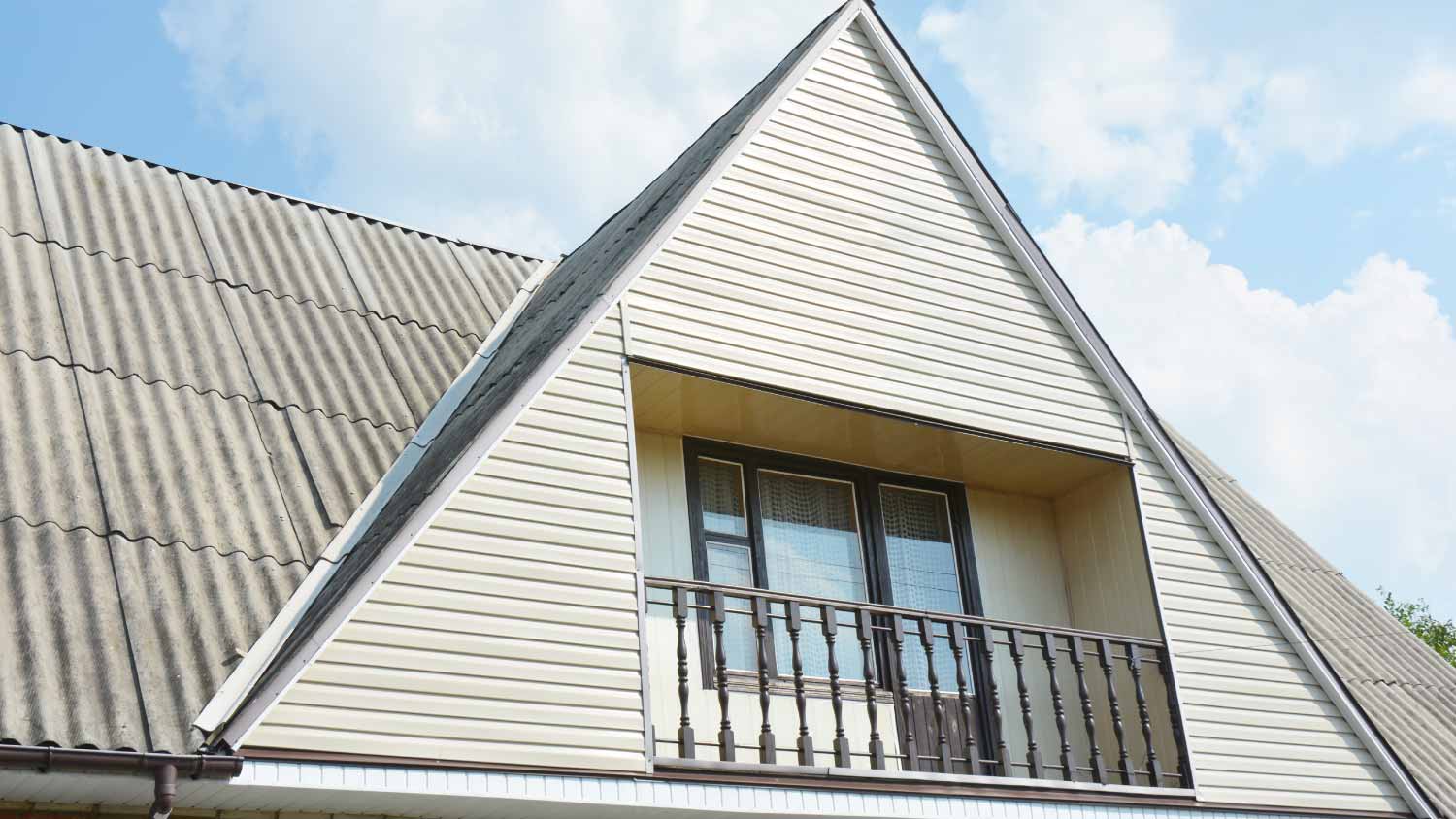
Asbestos itself does not typically leak from a roof. However, if an asbestos-containing roof is damaged or deteriorated, it can release asbestos fibers into the air. This can occur when the roof is disturbed, such as during maintenance or repairs, or due to weathering over time. Exposure to airborne asbestos fibers can be harmful to health, so it is important to address any damaged asbestos roofs promptly and safely.

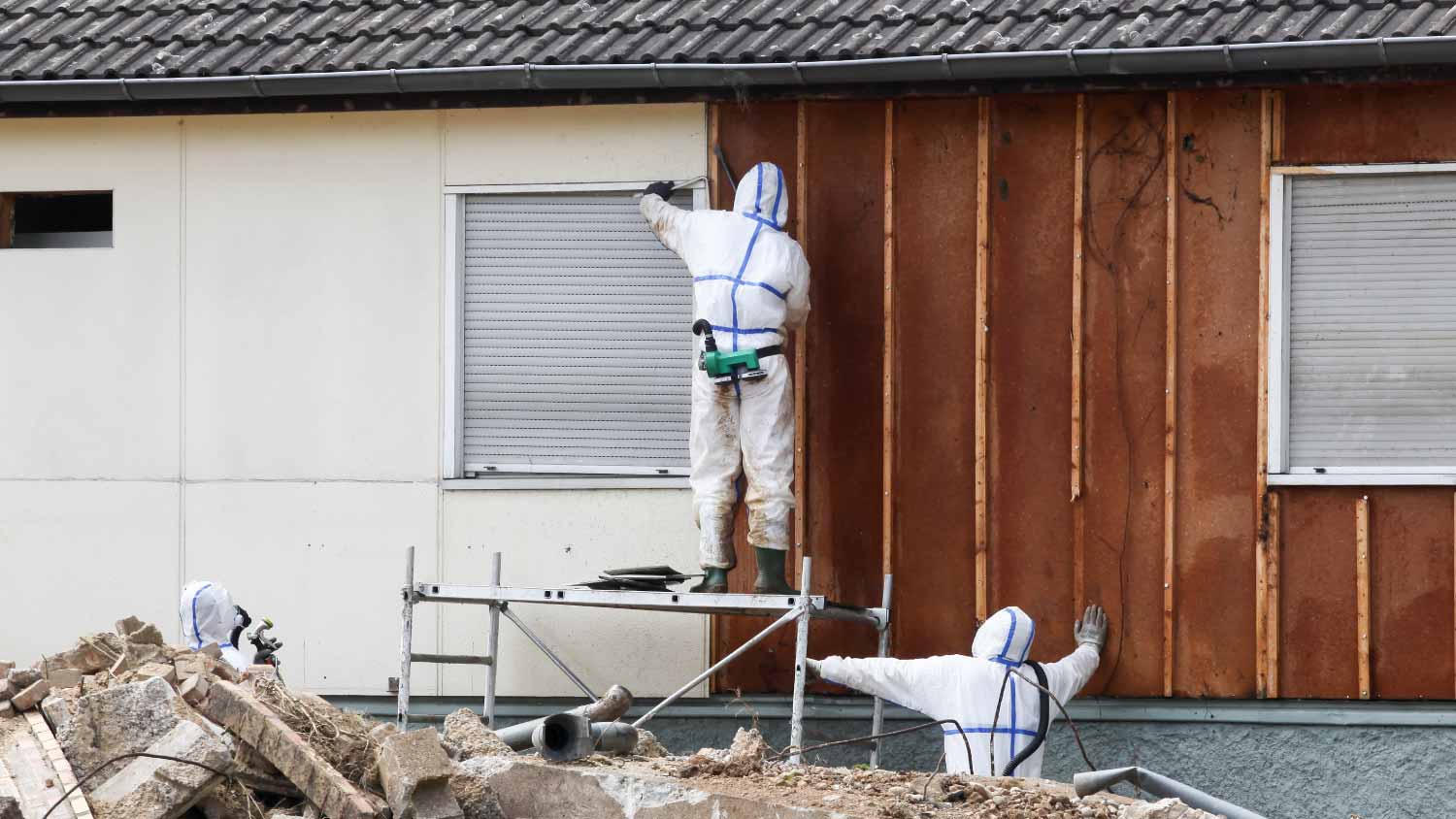
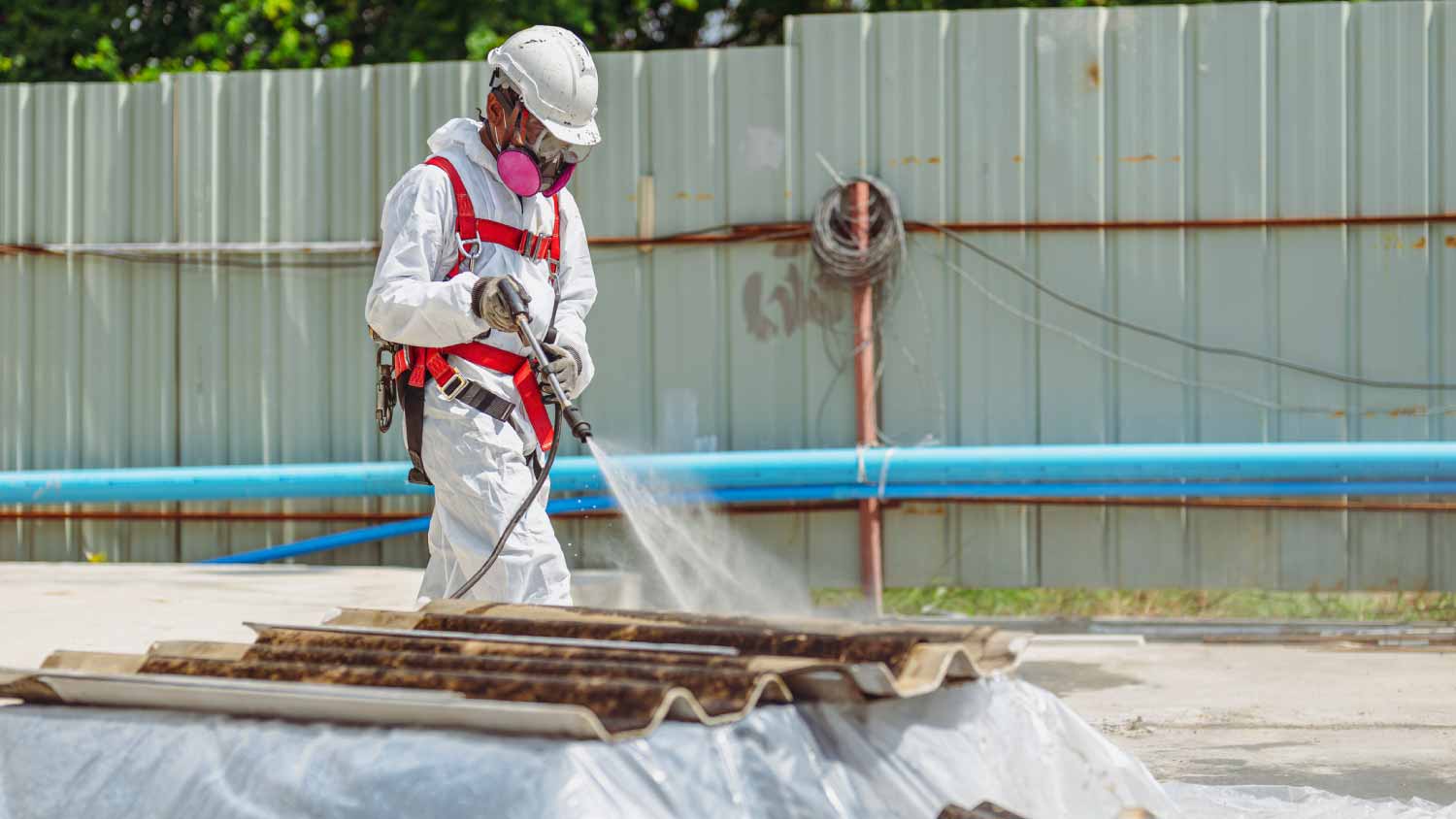
Typical methods for asbestos removal include encapsulation, enclosure, and complete removal.

Epoxying over asbestos tiles is generally considered a safe option when done correctly. Epoxy acts as a sealant, encapsulating the asbestos tiles and preventing the release of asbestos fibers into the air. The key is ensuring that the asbestos tiles are in good condition, firmly adhered to the substrate, and not damaged or deteriorating. This method is only appropriate for tiles that are undamaged and securely in place. If the asbestos tiles are already loose, damaged, or deteriorating, encapsulating them with epoxy may not be a sufficient solution, as it might not address the potential for ongoing asbestos exposure.

The Hondo, NM homeowners’ guide to asbestos removal services

From average costs to expert advice, get all the answers you need to get your job done.