


Top-rated energy efficiency auditors.

Get matched with top energy efficiency auditors in El Rancho, NM

Enter your zip and get matched with up to 5 pros

Need a pro for your energy efficiency auditing project in El Rancho, NM?

Select your specific project to find the pro for you.

Find Energy efficiency auditors in El Rancho

Avatar for ADT Solar
ADT Solar
4.4(
111
)
Energy Audit - For BusinessHome Energy Audit

Serving El Rancho, NM and surrounding areas

In business since 2008

Free estimates

Warranties offered

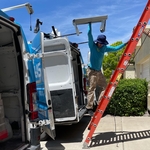
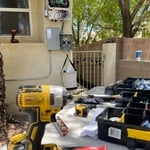
"Rep. checked entire system. He found several wires not connected properly and fixed this. He also made recommendations regarding the attachment of the panels to the rood that would provide more stability and leakproofing. The representative appeared to know what he was doing - much better than others, including the representative who was engaged by the roofer (who replaced our rood due to hail damage) to disconnect/connect the panels."
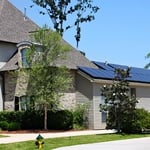
11 kW PV Installation
5 kW PV Installation
9.5 kW PV Installation
Recommended by89%of homeowners
Energy Efficiency Auditing questions, answered by experts

While you can perform many routine home maintenance jobs yourself, it’s often a good idea to bring pros in for certain tasks. HVAC maintenance, fireplace and chimney inspections, foundation repairs, and roof inspections and repairs should be handled by professionals who know what to look for and can safely perform repairs. You may also find it helpful to hire a local house cleaning service to help with deep cleaning.

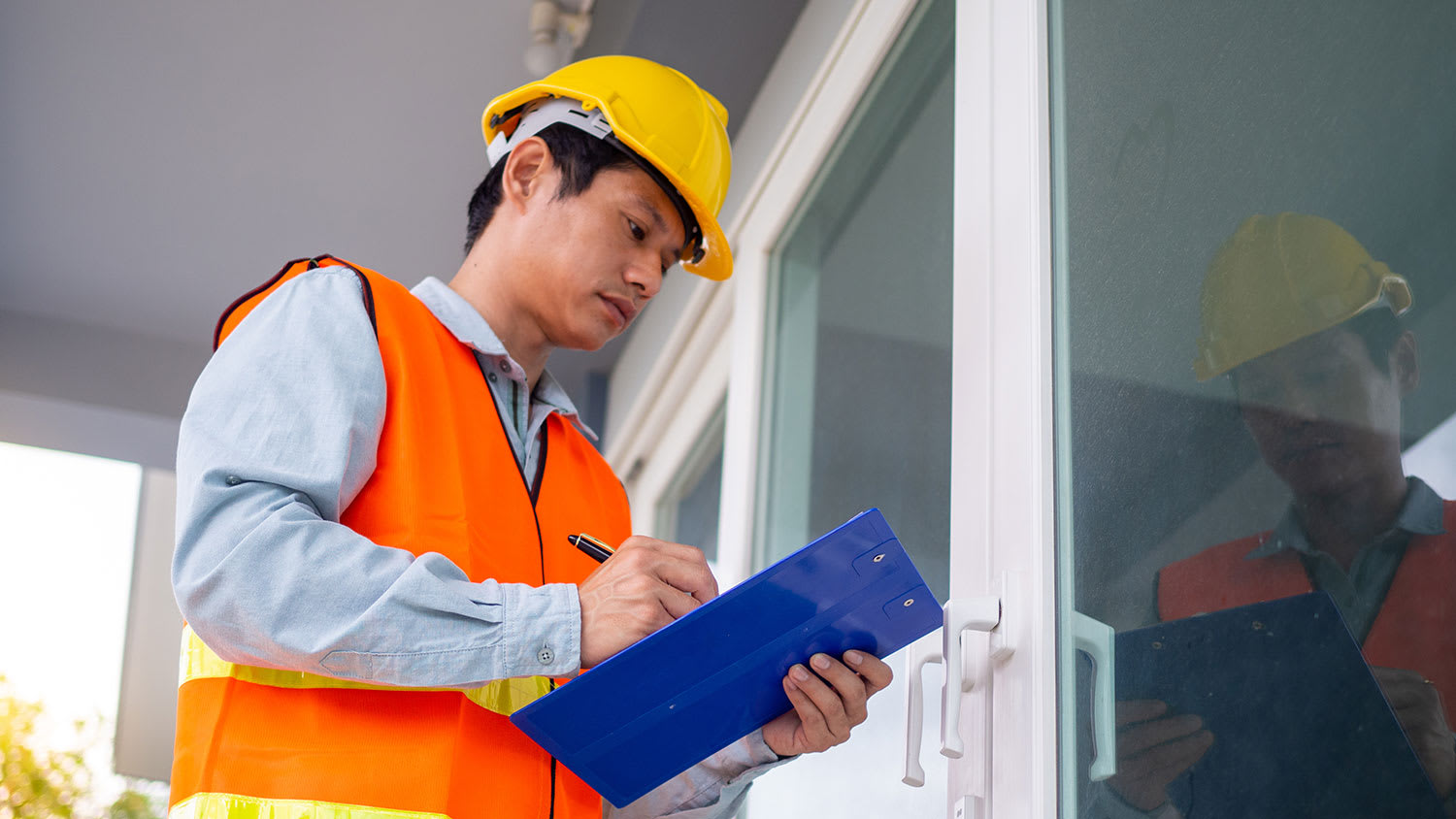
Audits typically take 2-4 hours, depending on the property size and energy systems.

There is no blanket figure for a residential home’s electrical load, since load varies by the size of the home, how many appliances are used, and the efficiency of their electrical systems. Typically, however, it’s safe to assume 40 to 60 amps is the average electrical load of a residential home. 

STC (Sound Transmission Class) is a rating that describes how well a building material or assembly blocks airborne sound. A higher STC rating means less noise will pass through the material, providing better sound reduction. This rating system applies to various building components, including windows, doors, flooring, drywall, and insulation.

For context, a typical single-pane window has an STC rating of around 25 (where normal conversations are audible), while a well-sealed, double-pane window can exceed STC 45 (blocking loud speech and most music). It is important to note that for some products, like soundproofing drywall, the STC rating refers to the entire wall system, not just the individual panel.

Additionally, STC ratings are most effective for measuring sound reduction at mid-to-high frequencies, such as human speech, and may not accurately reflect how well a material blocks low-frequency sounds like bass music or thunder. Because of these factors, it is recommended to consult a professional to determine the right STC-rated materials for your specific soundproofing needs.

They’ll use more electricity than the average upright vacuum, but not remarkably more. Most power units plug into a standard 120-volt outlet and don’t have significant power demands. You shouldn’t notice an increase in electricity bills. If you have any specific questions about energy costs, ask your installer as you examine purchase decisions. Larger power units will need more electricity for their suction levels.

The El Rancho, NM homeowners’ guide to energy efficiency auditing services

From average costs to expert advice, get all the answers you need to get your job done.