







Top-rated aquarium service pros.

Get matched with top aquarium service pros in Chama, NM

Enter your zip and get matched with up to 5 pros

Need a pro for your aquarium service project in Chama, NM?

Select your specific project to find the pro for you.

Find Aquarium service pros in Chama

Avatar for Capital Landscape Solutions
Capital Landscape Solutions
4.9(
9
)

Serving Chama, NM and surrounding areas

In business since 2014

Emergency services offered

Credit card accepted

"They were amazing. The job was scheduled within two days then completed within two more. The gentleman who scheduled the work was kind, knowledgeable, and easy to work with. He made great recommendations and was patient with my questions. The workers were respectful, kind , and very hard workers. The final product looks fantastic. I’d definitely hire this crew again!"
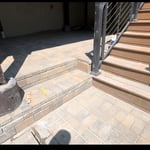
Landscaping - Hardscaping & Pavers Project
Landscaping Project
Landscaping Project
Landscaping - Hardscaping & Pavers Project
Landscaping Project

+21

Recommended by100%of homeowners

Aquarium Services questions, answered by experts

The best times of year to pump or empty a septic tank are spring and fall. Many professionals recommend spring because the ground has thawed, making the tank easier to access, and any snowmelt or rainfall can aid in proper drainage. Pumping before summer is also ideal to avoid conflicts with vacations or outdoor gatherings.

Fall is another great option, as contractors may be less busy than in the spring. Servicing the tank in late fall or early spring can also reduce the risk of overflow from extra precipitation during winter and spring.

While summer is a possibility, winter is generally not recommended. The ground is often frozen, which can make it difficult to access the tank, and the waste inside may also be frozen.

A septic tank lid is often 1 foot underground, but it could be just 4 inches from the surface or 4 feet deep. For septic tank lids that are closer to the surface, you’ll have an easier time locating them just by looking for signs in the yard or using a metal probe. But for septic tanks that are buried deeper underground, you’ll need to hire a pro with specialized equipment to track down the lid without risk of damaging utility lines.

Natural bacteria break down sludge in a septic tank by dissolving and consuming the solid waste. Your septic tank needs this bacteria to work correctly and avoid filling beyond capacity. You can increase the natural bacteria in your septic tank by adding three rotten tomatoes through your garbage disposal every three months.

Depending on the home, wastewater either goes into a septic tank and seeps back into the backyard or is sent via sewer system to a local sewage-treatment plant. Septic systems naturally separate different components of the waste so that it can naturally and safely disperse it. They are usually reserved for homes not served by a municipal sewage department (like rural homes). A treatment plant, on the other hand, speeds up that process through screening and purification.

All municipalities in the U.S. require a permit for septic tank installation or septic system alteration, and the permit will usually cost between $450 and $2,500. Some municipalities also require permits for septic system repair. You’ll either need to contact your local building department or your septic tank company to ask if this is necessary before carrying out the work. Permits are not typically required to have your septic tank pumped, so provided your septic company is licensed, you can move forward with the work as needed.

The Chama, NM homeowners’ guide to aquarium services

From average costs to expert advice, get all the answers you need to get your job done.