

Top-rated pool table assembly pros.

Get matched with top pool table assembly pros in Shiloh, NJ

Enter your zip and get matched with up to 5 pros

Need a pro for your pool table assembly project in Shiloh, NJ?

Select your specific project to find the pro for you.

TRUSTED BY SHILOH, NJ HOMEOWNERS

  • Average homeowner rating star icon4.4
    Average homeowner rating
  • Verified reviews icon50
    Verified pool table assembly services reviews

Find Pool table assembly pros in Shiloh

Avatar for Wekz Multiservice LLc
Wekz Multiservice LLc
5.0(
71
)

Serving Shiloh, NJ and surrounding areas

Approved

Super Service Award Winner

In business since 2015

Free estimates

Emergency services offered

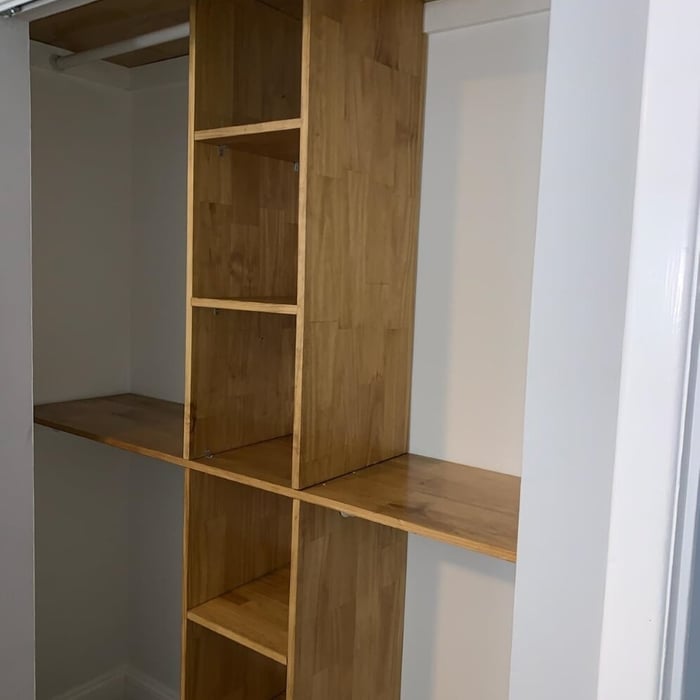
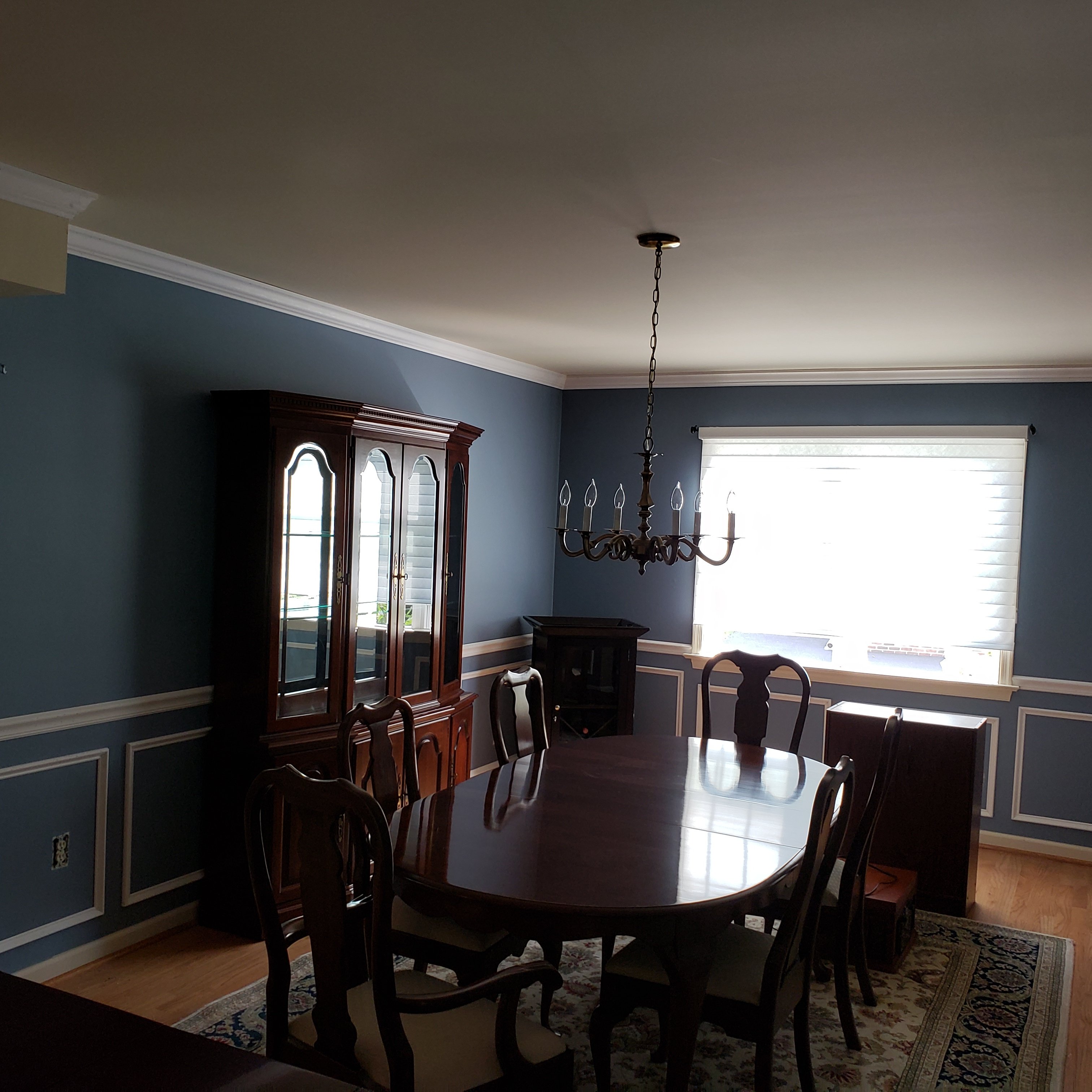
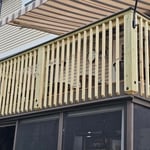
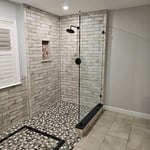
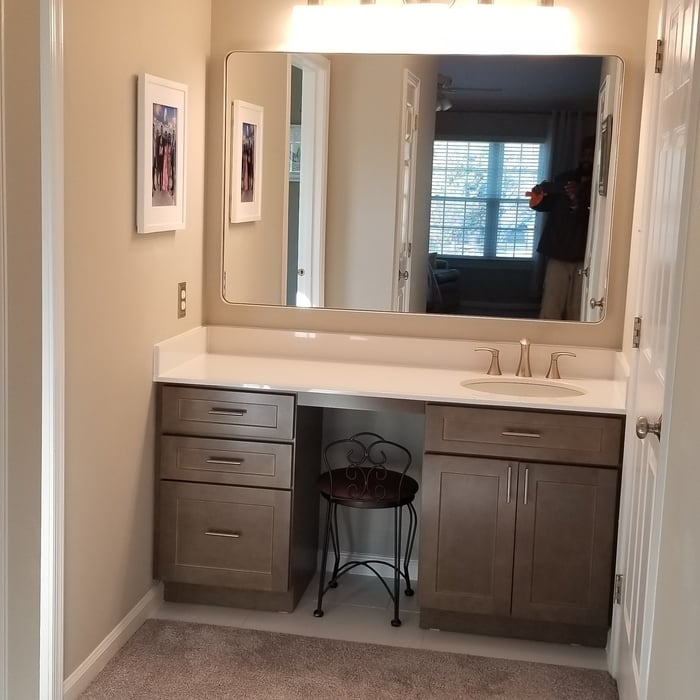
"Willy was prompt, professional, & courteous. He understood the assignment and worked quickly & efficiently. He explained all necessary costs and offered discounts where possible! I'd absolutely hire this team again for my home repairs."
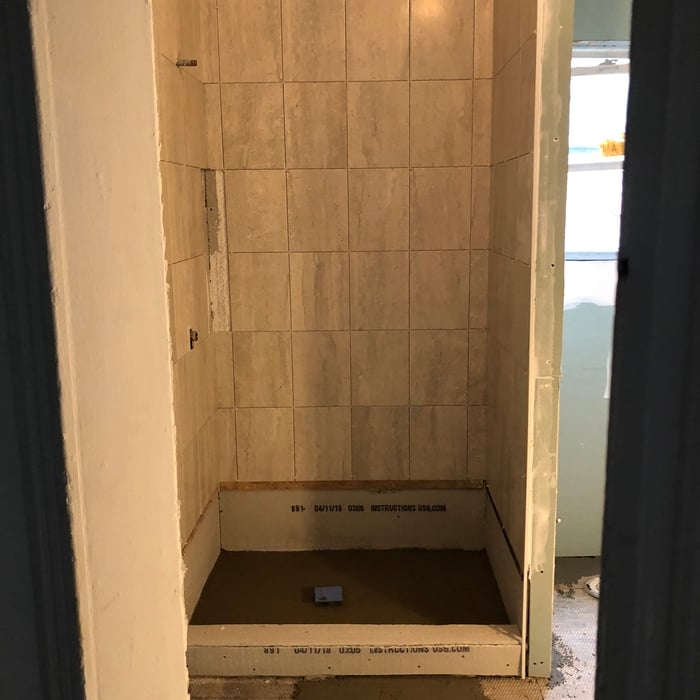
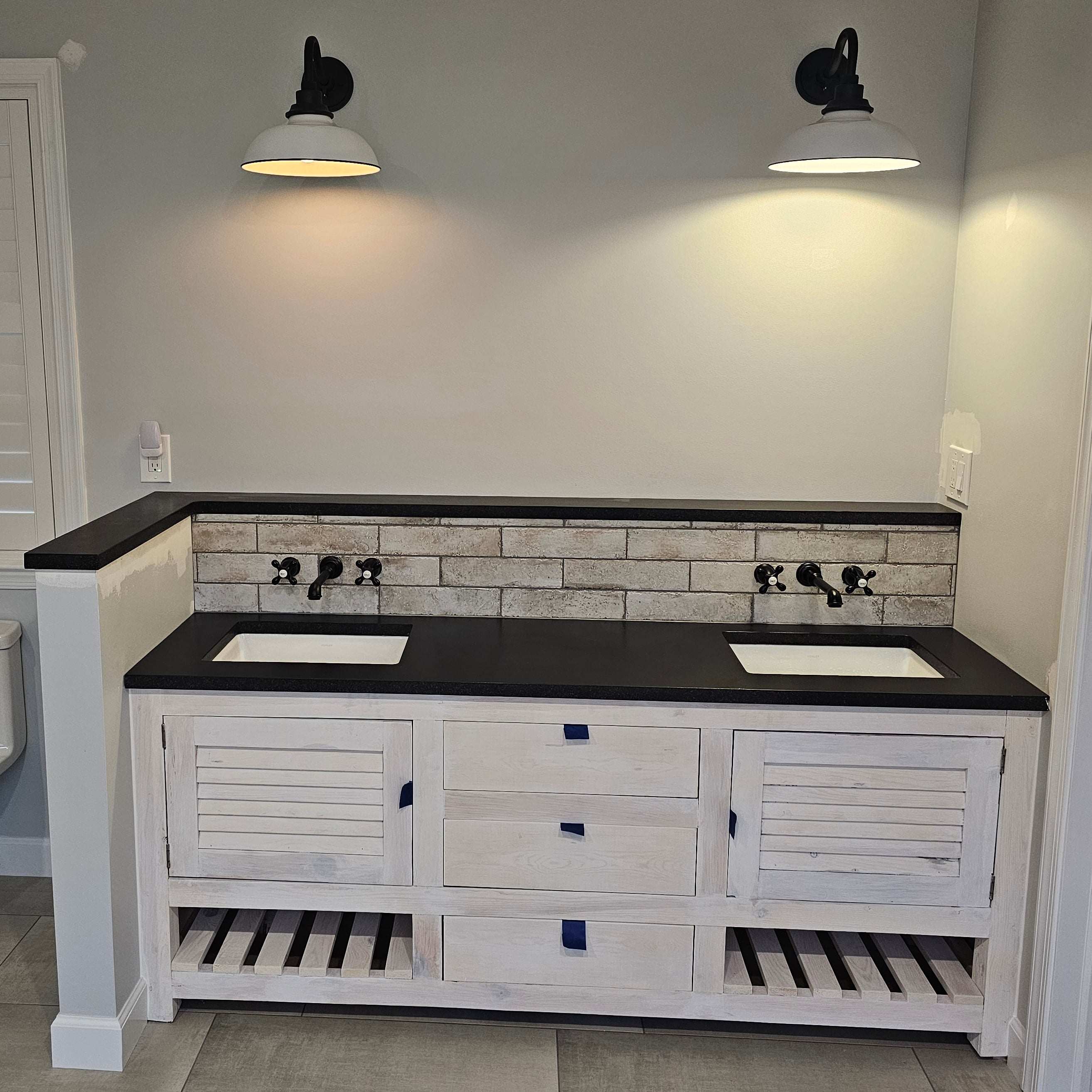
Additional Photos
Additional Photos
Additional Photos
Additional Photos
Additional Photos

+45

Response time1 day
2 neighbors recently requested a quote
Recommended by56%of homeowners
...
Showing 1-10 of 63
Pool Table Assembly questions, answered by experts

While some water loss from splashing and evaporation is normal, a rapid or excessive drop in the water level may indicate a leak. Other signs of a pool leak include unexplained soft or wet spots in the yard, cracks in the pool structure or falling tiles, higher-than-normal water bills, persistent algae growth or water discoloration, and standing water around the pump, pipes, or other pool equipment.

Yes, pool pumps use a significant amount of electricity, making them one of the biggest energy consumers in a home. A pool pump can use up to three times as much electricity as a refrigerator. Typically, a residential pool pump consumes about 1 kilowatt-hour (kWh) for every hour it runs. Because pumps often need to run for about eight hours a day to properly filter the water, this can add up to an annual consumption of 3,000 to 5,000 kWh, which can cost between $480 and $800 per year based on average electricity rates.

The amount of electricity your pump uses depends on its size, energy efficiency, and daily run time. To lower your energy consumption, you can choose an energy-efficient or variable-speed pump, ensure it is correctly sized for your pool, and run it only for the minimum time required to keep the water clean.

The average 12-by-24-foot in-ground pool costs $48,500, but depending on the features and materials, prices can trend even higher. You’ll spend less on a rectangular vinyl or fiberglass pool than on a concrete pool in an elevated style (think infinity pool or lagoon pool). Added features like heating, lighting, diving boards, or decking will increase your overall cost.

A well-built and well-maintained concrete pool should last anywhere from 50 to 75 years. Concrete is prone to cracking, so winterization and regular pool repairs are particularly important. Water can seep into existing cracks, freeze, and make them worse. Most homeowners should resurface their concrete every few years to maintain their pool’s lifespan. 

Depending on where you live and the demand for pools and spools, a spool may increase your property value and make your home more appealing to potential buyers. It’s worth looking at installation, maintenance, insurance, and safety costs to see if the increase in value is worth the cost of installing a spool.

The Shiloh, NJ homeowners’ guide to pool table assembly services

From average costs to expert advice, get all the answers you need to get your job done.