


Top-rated window tinters.

Get matched with top window tinters in Palmyra, NJ

Enter your zip and get matched with up to 5 pros

Need a pro for your window tinting project in Palmyra, NJ?

Select your specific project to find the pro for you.

Find Window tinters in Palmyra

Avatar for ZJ Window Film Solutions
ZJ Window Film Solutions
4.2(
5
)
Window Tinting - Apply or ReplaceWindow Tinting - Apply or Replace - For Business

Serving Palmyra, NJ and surrounding areas

Approved

In business since 2015

Free estimates

Emergency services offered

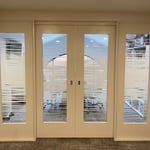
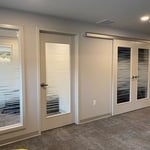
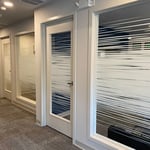
ZJ Window Film Solutions is a trusted, locally owned business specializing in solar, decorative, and security window film solutions for commercial properties across the Midwest and Eastern United States. We help protect, enhance, and modernize your space with high-quality products and expert service tailored to your needs.\n\nWhether you're looking to reduce energy costs with solar control film, enhance privacy and branding with decorative glass films, or improve safety and compliance with security and impact-resistant solutions?we?ve got you covered.\n\nOur team provides in-depth consultations, hands-on product demos, and professional installations to ensure the perfect fit for your building. We proudly serve a wide range of industries including offices, retail, healthcare, education, government, and more.\n\nAt ZJ Security Film Solutions, we deliver sustainable, visually appealing upgrades that add long-term value and protection to your most important spaces.

Response time7 hrs
90 neighbors recently requested a quote
Showing 1-10 of 31
Window Tinting questions, answered by experts

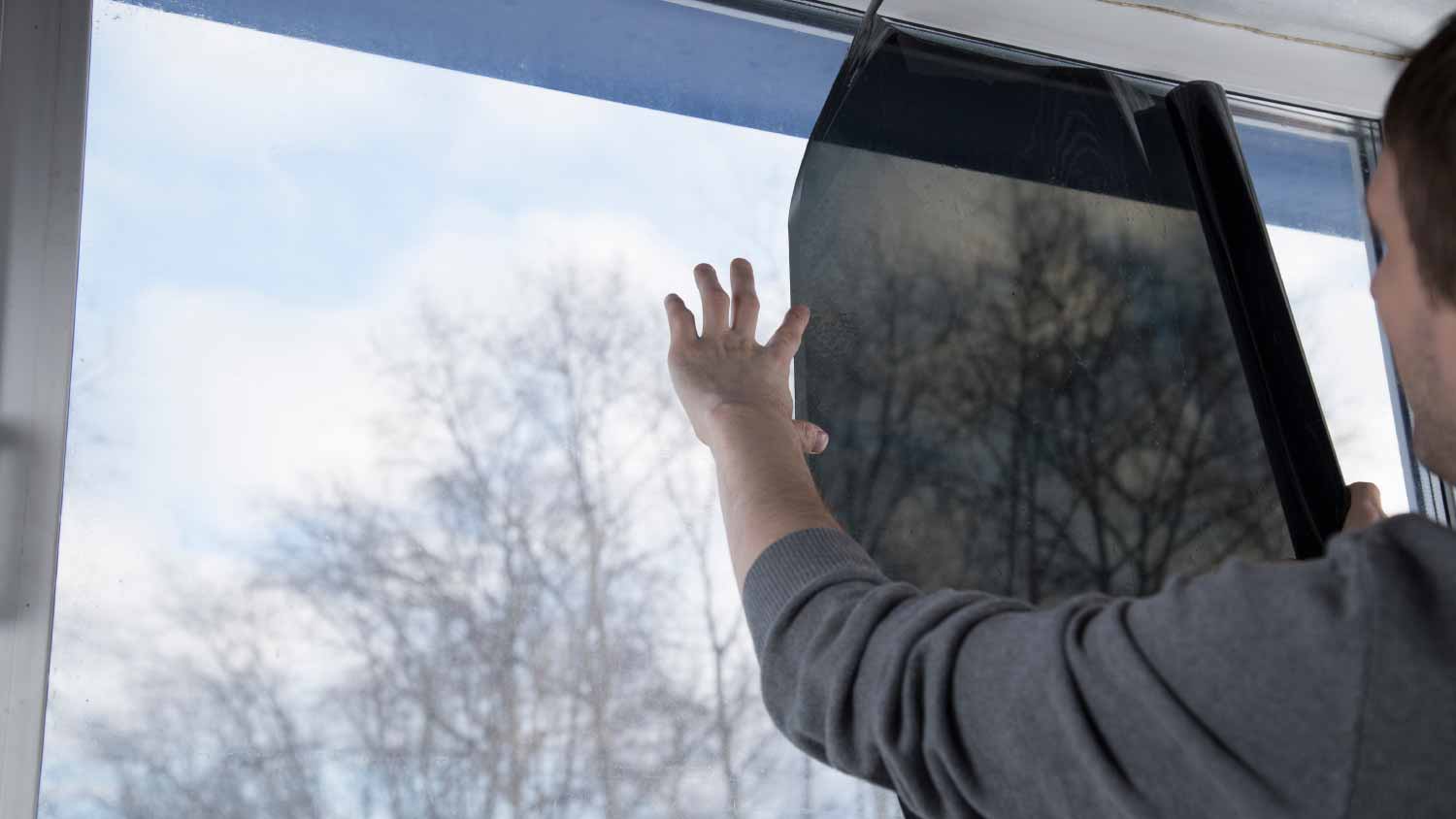
While it is possible to install home window tint yourself, it is a challenging task that is often best left to professionals. The process can be tedious and time-consuming, requiring steady hands and a great deal of patience, especially for a first-time installer.

Common mistakes in DIY applications include visible bubbles, imperfections, and film that either hangs over the edges or doesn't fully cover the glass. These errors not only look unprofessional and detract from your home's curb appeal but can also reduce the tint's effectiveness in blocking sunlight and heat. If you have struggled with applying protective films to smaller items like phones or tablets, you may find this task particularly difficult.

Attempting the installation yourself and making a mistake can lead to wasted material and the additional cost of hiring a professional to fix the issues or redo the job. Although hiring a professional involves labor costs, it typically guarantees a high-quality, seamless appearance and saves you from having to do the work over again.

Energy-efficient windows are judged on their performance according to a few different factors, including heat transfer, air leakage, light transference, and condensation resistance. If you're unsure whether a window is energy-efficient, look for an ENERGY STAR® label from the U.S. Environmental Protection Agency (EPA). If various products, including windows, meet energy-efficiency standards set by the federal government, the EPA issues this label to help consumers identify energy-efficient products.

Cellular shades, also known as honeycomb shades, are the most energy-efficient and insulating window treatments. Their honeycomb structure is made of soft fabric that forms layered cell pockets. These pockets trap air, creating a thermal barrier that reduces heat loss in the winter and blocks heat gain in the summer. For even greater insulation, consider double- or triple-cell varieties. Side-tracked cellular shades, which seal the edges of the window frame, can further minimize air leaks and maximize energy efficiency.

Costs depend on window size, film quality, UV protection level, and installation complexity.

The most popular tint percentage for home windows is 35%. Generally, most homeowners choose a visible light transmission (VLT) between 50% and 35%, where lower numbers mean less sunlight enters the home. A 35% tint blocks over half the incoming light while still allowing plenty of natural light, which can improve energy efficiency and comfort. If privacy is a primary concern, you can opt for a tint of 50% or lower to make it more difficult for people to see inside. However, keep in mind that very dark, thick tints may offer fewer energy-efficiency benefits.
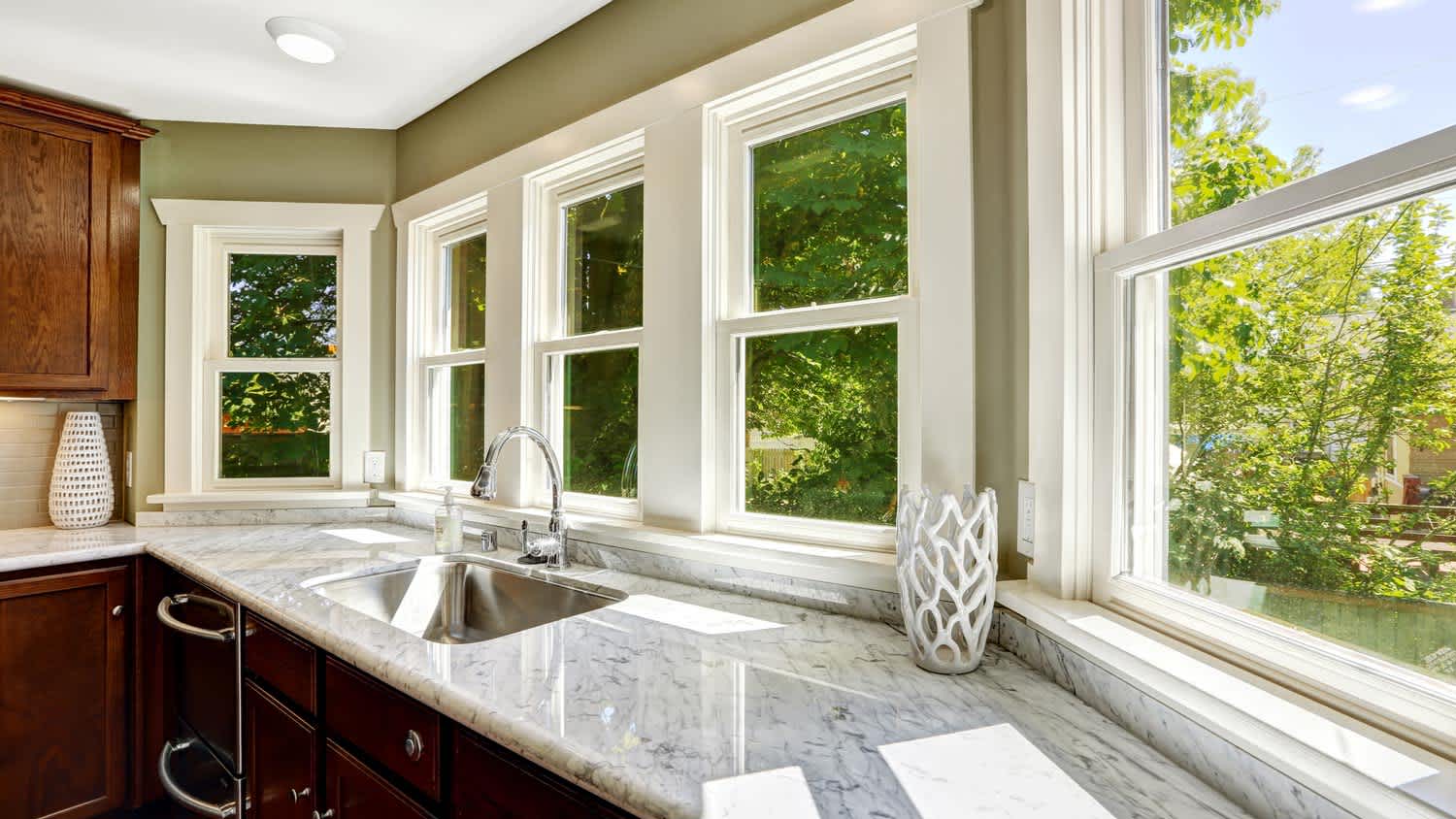
Unlike cars, there are no laws regulating window tint percentages on homes, so you can choose what you think is best. It is often a good idea to hire a professional, as they can show you samples of how different tint levels will look in your specific property, helping you make the right choice.

The Palmyra, NJ homeowners’ guide to window tinting services

From average costs to expert advice, get all the answers you need to get your job done.