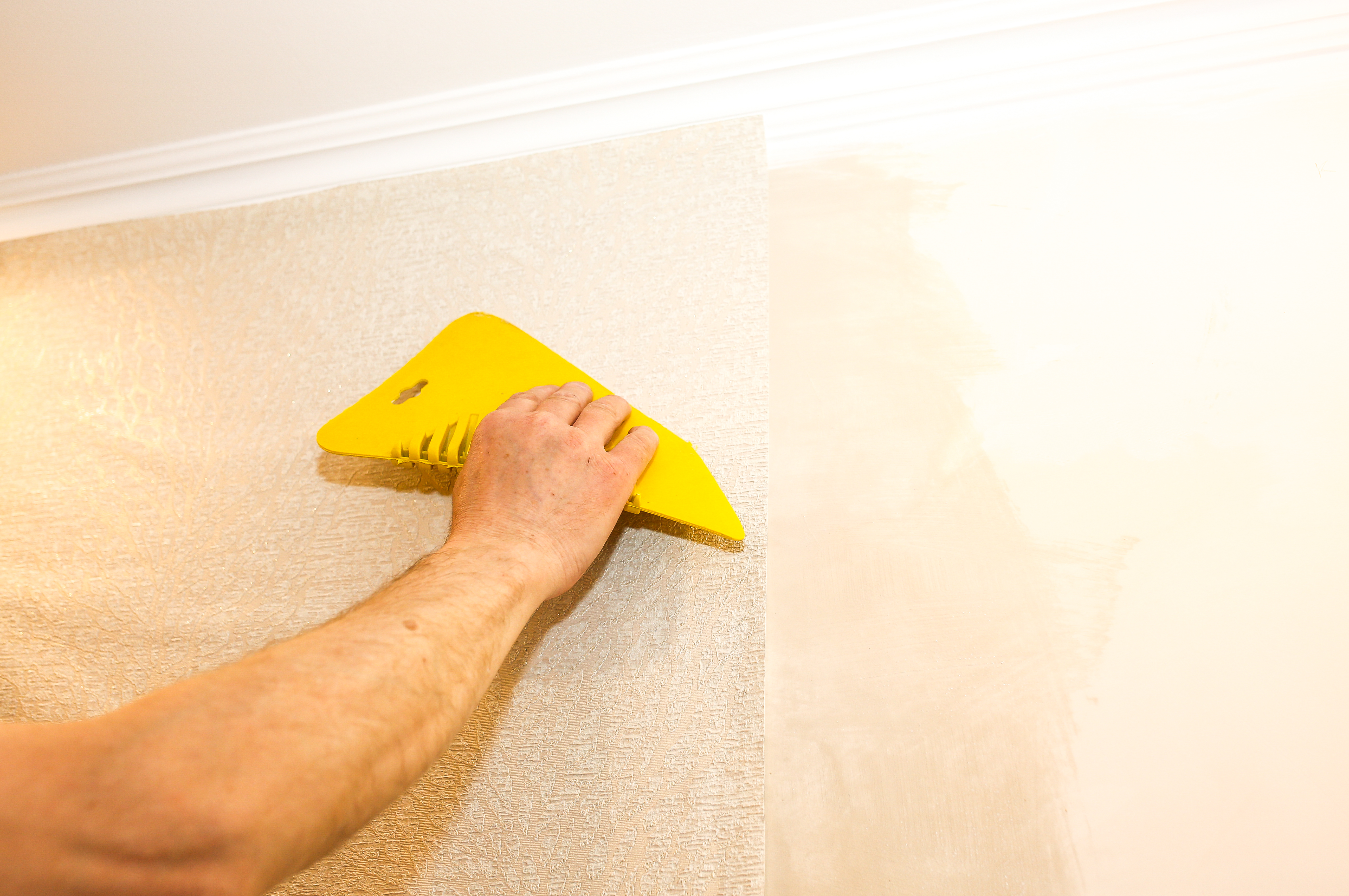
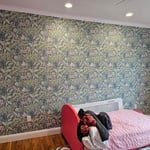
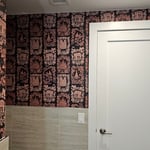
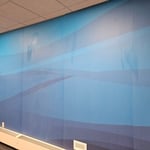
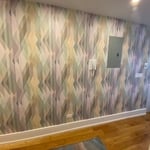
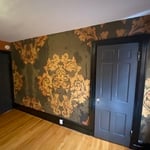
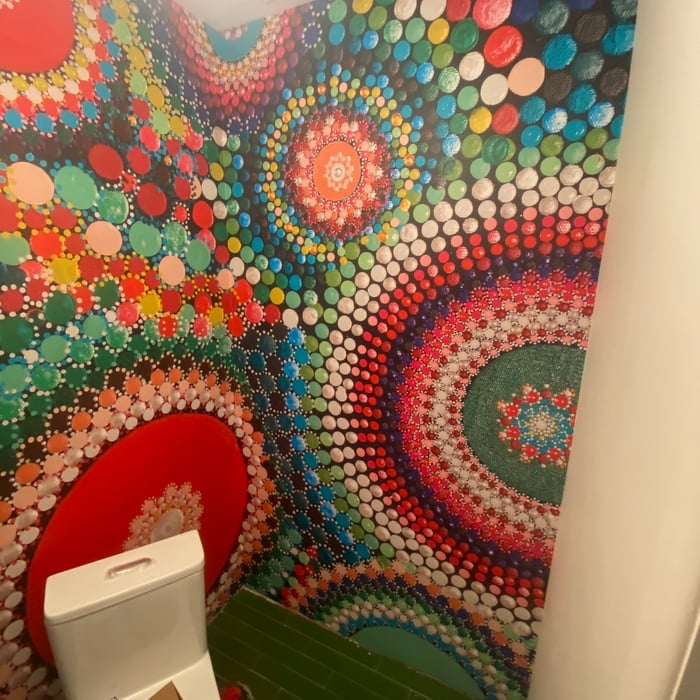
"Richie Wall covering did an amazing job wallpapering two bathrooms. We designed custom wallpaper that was challenging to hang and our walls weren't even. Two other wallpaper services messed up the install. Richie was able to fix their work and get the wallpaper up in both bathrooms. Both look great! Richie and his team are polite, fair and do what is needed to get the job done right."
"Michael and his crew installed wallpaper in 2 rooms in our home. Not only were they promp and professional but they also helped when the wallpaper I originally selected didn't work out due to quality. They came back as soon as the new wallpaper arrived to install. I would absolutely hire and work with him again. Definitely recommend."
"James was on time, efficient, and able to adapt between 2 different wallpaper brands. He was even able to handle a small additional paint project and executed it beautifully. Will use and recommend James for future projects!"
We invite you to experience a tradition of customer satisfaction that will exceed your greatest expectations. Our professionalism and quality workmanship will accurately reflect your taste and lifestyle. From conception to completion, we work with you until the job is done. We are ethical, honest, and easy to communicate with.
\n
\nCall us today you'll be pleased you did. Thank you!
\n
"Robert did a very nice job installing the drywall in the basement area and I also increased his scope of work to include additional work. I would recommend him to anyone considering drywall installation."
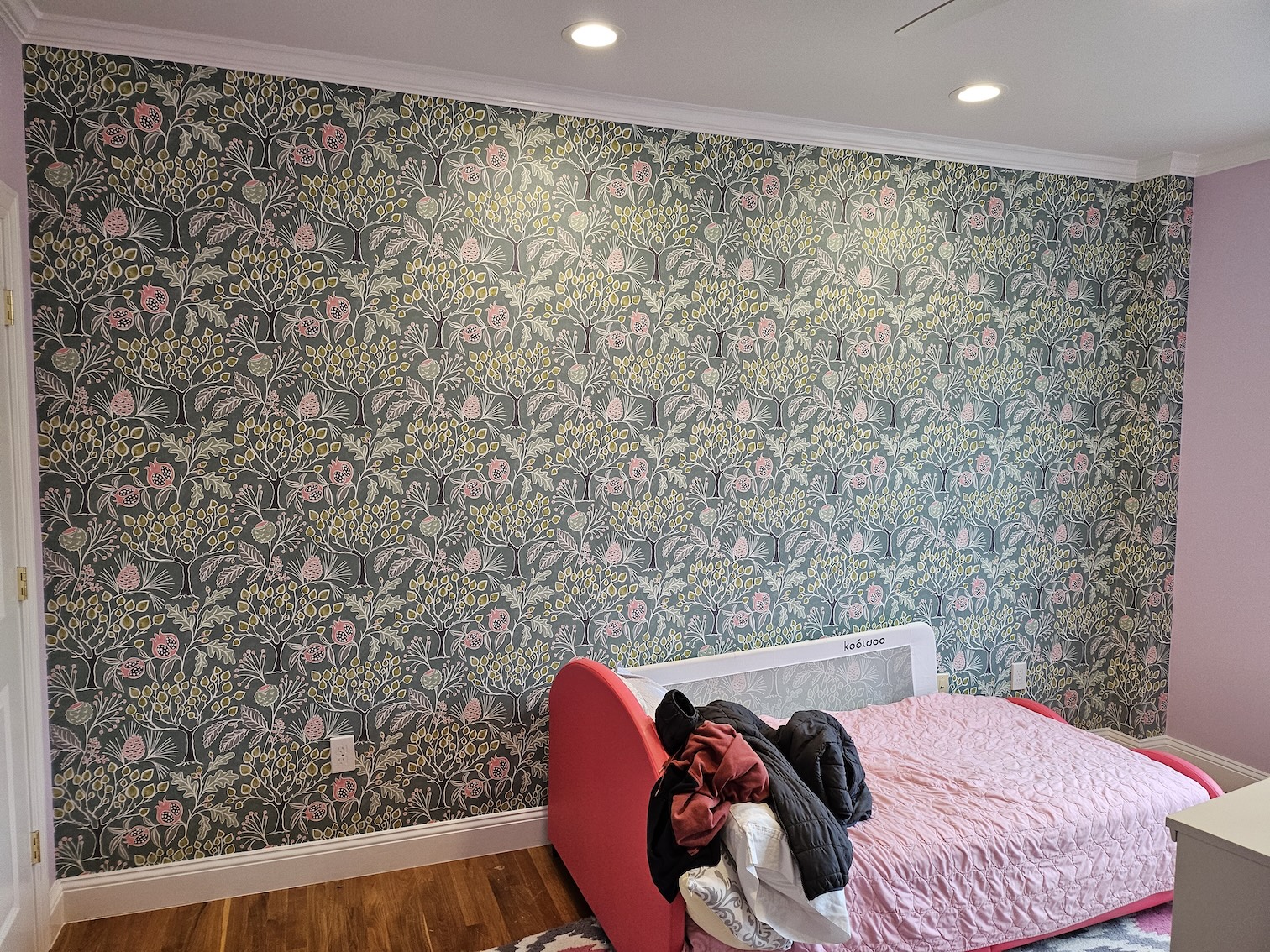
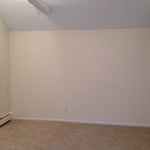
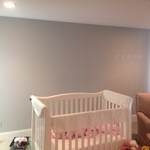
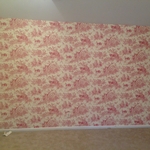
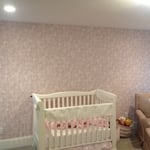
"A and Z did wallpaper in my daughters room and did an amazing job. They were available the next day after I contacted them, brought all their own materials, and finished the job in under an hour. The wallpaper looks absolutely gorgeous you can’t see any seams and everything is beautiful!"
"The OnCall team does wonderful work installing wallpaper! They are very communicative, thorough and clean. I have worked with them on many projects and they always do a great job! They also do repair work seamlessly (we had them do one on an older install that was by someone else we had extra paper for). The team members have a good eye and are experts in their field."
"It was excellent. He was very neat. He kept his promise on the price. He made sure I was happy with the color and the finished product. He came according to my schedule."
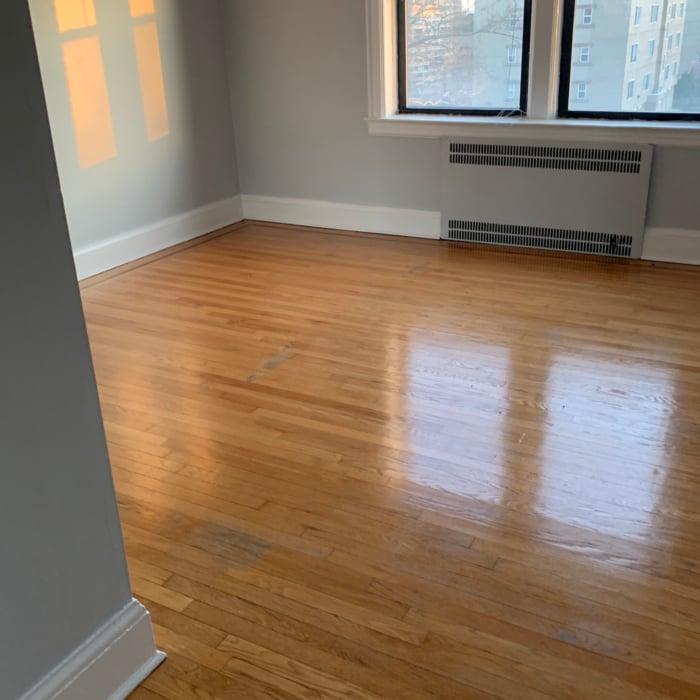
"The contractor and his workers did a fantastic job on all the work. Everything is new and ready for the new owners. Their attention to detail was great and not a drop of paint was left where it wasn't supposed to be. They were very clean and respectful people."
If you need a stronger magnetic surface, or you need to use a different type of paint in the room (like waterproof paint in a damp basement), there are other accessible options. You could fit a steel panel over the wall, try magnetic wallpaper, or apply chalk paint instead.
If you want an inexpensive shortcut, hang a pinboard or chalkboard on your wall. These removable options are ideal if you’re a renter who can’t repaint or plan to move in the near future.
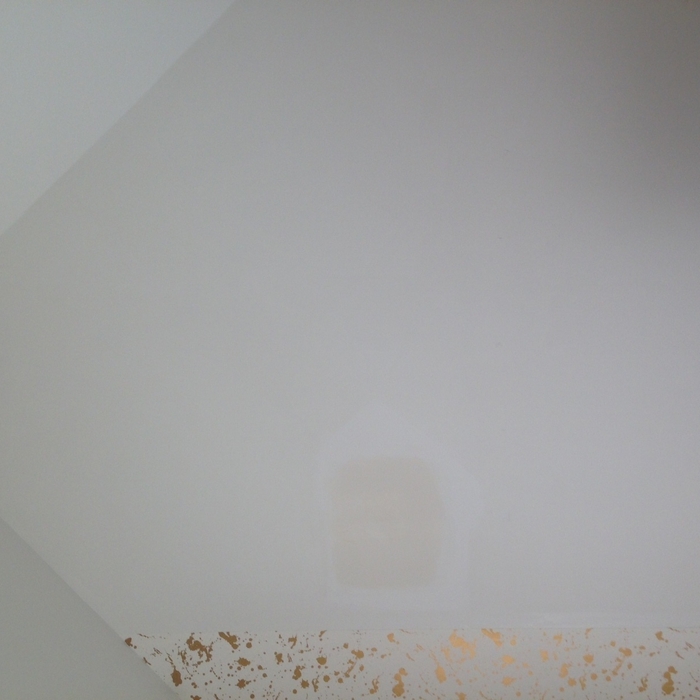
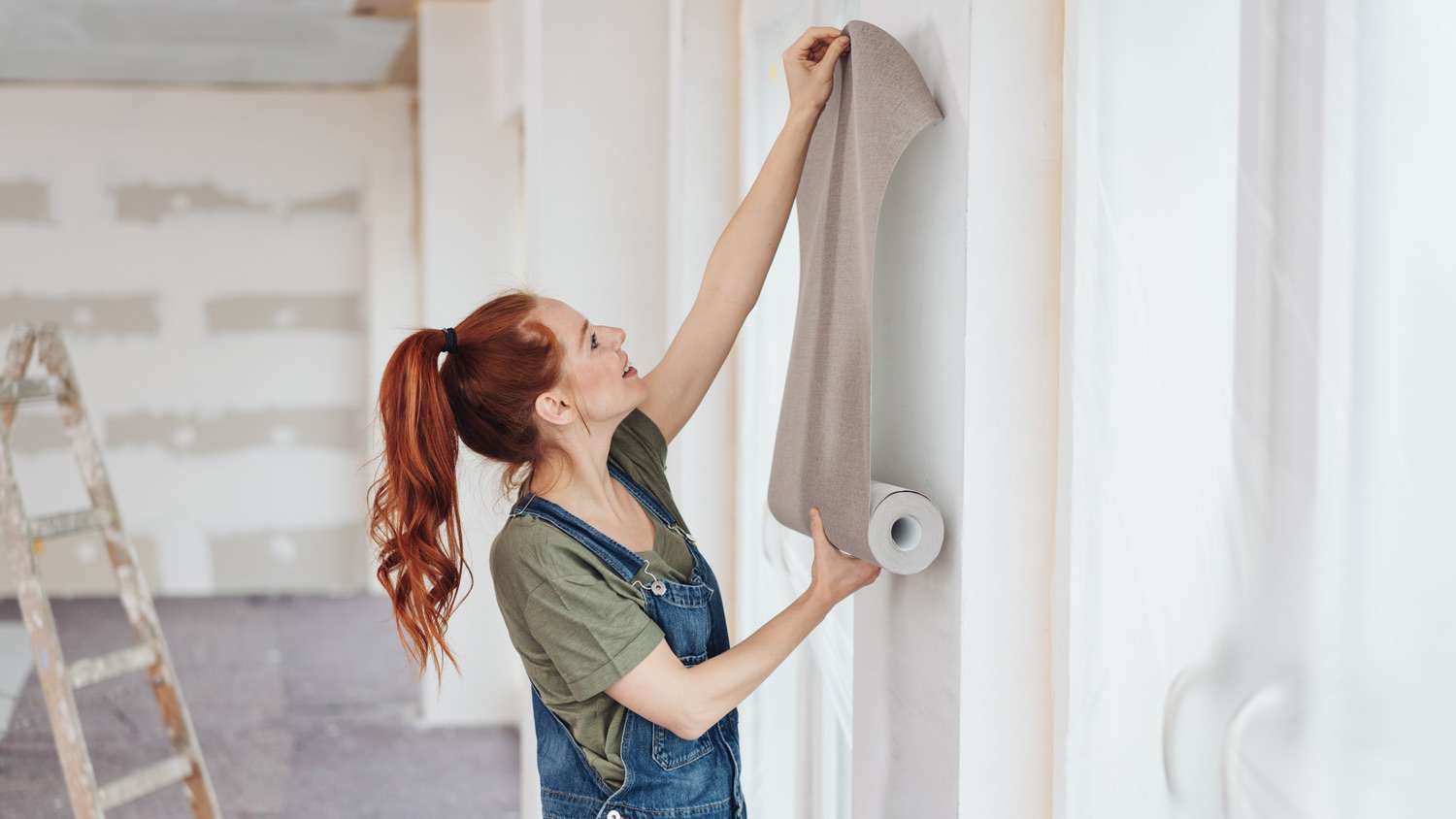
Hanging wallpaper may seem simple, but in practice it requires significant planning and finesse to make it look professional. To start, you need to get an even application of wallpaper paste across all of your wallpaper, which requires experience and large pasting tables to get right. You also need to plan out your design and match it exactly so that you don’t have imperfections in the finished product. It’s often better to hire a professional wallpaper hanger who can get the job done properly for a clean, smooth finish.
To determine how many rolls of peel-and-stick wallpaper you need, measure the square footage of the walls you’re covering and divide that by the square footage that each roll covers. Add 10% to 20% of your total square footage to account for pattern matching or damage while installing.
Because replacing pool tiles requires fully draining your pool, it’s a great opportunity to complete other projects. You may want to replace your pool’s vinyl liner or repair cracks. You might also replace your swimming pool heater or even take on the cost of resurfacing your pool. Resurfacing, although relatively costly, can help prolong the lifespan of your pool.
Yes, many types of peel-and-stick wallpaper can be used in bathrooms, especially those made of vinyl or polyester. However, its success depends heavily on the level of moisture and ventilation. In bathrooms with good ventilation, such as those with fans, it can be a durable option. Peel-and-stick wallpaper may not adhere as well as traditional wallpaper in very humid conditions. For bathrooms that see a lot of moisture, like a kids' bathroom or a full bath with a steamy shower and poor ventilation, even high-quality peel-and-stick wallpaper is likely to peel over time.
The Northvale, NJ homeowners’ guide to wallpaper services
From average costs to expert advice, get all the answers you need to get your job done.
The cost to paint the interior of a house in New York, NY depends on size, layout, type of surface, and more. Learn what factors can influence your total in this guide.
Discover wallpaper installation cost. Learn about material, labor, and project factors to estimate your budget and make informed choices for your home.
Whether you can put wallpaper over wallpaper depends on the type of paper you’re using and the condition of the existing surface. Learn more with this guide.