



Top-rated drywall pros.

Get matched with top drywall pros in Gibbstown, NJ

Enter your zip and get matched with up to 5 pros

Need a pro for your drywall service project in Gibbstown, NJ?

Select your specific project to find the pro for you.

TRUSTED BY GIBBSTOWN, NJ HOMEOWNERS

  • Average homeowner rating star icon4.1
    Average homeowner rating
  • Verified reviews icon24
    Verified drywall services reviews

Find Drywall pros in Gibbstown

Avatar for Brothers Drywall Contractors LLC
Brothers Drywall Contractors LLC
New to Angi
Drywall - Install - For BusinessDrywall - Repair - For Business

Serving Gibbstown, NJ and surrounding areas

Approved

Looking for quality drywall work you can count on? Brothers Drywall Contractors LLC is here to help! We take pride in doing a great job and always giving our customers our best work, attention to detail, and professional service.\n\n✅ Drywall installation\n✅ Taping & finishing\n✅ Repairs & patching\n✅ Smooth, clean finishes\n✅ Residential & commercial work\n\nWe treat every project like it’s our own and work hard to make sure our customers are satisfied with the final result.\n\nContact Brothers Drywall Contractors LLC today for a free estimate!

...
Showing 1-10 of 400
Drywall questions, answered by experts

You should wait at least 24 hours for drywall mud to dry before sanding or applying another coat. However, the exact drying time depends on several factors, including the thickness of the application, room temperature, humidity, and the type of compound used. Thicker layers, or projects in high humidity, may require 48 hours or more. Lightweight compounds tend to dry faster than heavier, all-purpose ones. You'll know the mud is ready when it feels completely dry and firm to the touch and has changed to a consistent light color. Sanding too early can cause smudging or gouges, so patience is essential for a smooth finish.

There is no way to cut drywall without making dust, but you can reduce the amount of dust and especially the dangerous airborne particles by using manual cutting tools. Using a utility knife to score and snap your drywall will minimize dust production, and a jab saw for cutting cutouts for boxes and fixtures will generate almost no airborne dust. Even if you use these methods, you should still wear a respirator and safety goggles to avoid damage to your lungs and eyes.

Plaster walls typically last between 30 and 70 years, but depending on the quality of the materials and the moisture levels in the building, they can last for over 100 years. With expert application and consistent maintenance, plaster can even last for centuries. To extend its lifespan, it is important to have the plaster professionally installed, address any water damage promptly, and repair small cracks as they appear. Regular inspections by a professional can help identify and address concerning cracks before they become significant issues.

Look for flaking paint or air bubbles that burst and then flake away. Paint will begin to flake after being exposed to minimal moisture or water, so it’s a good indicator of any water damage. If you notice your paint starting to flake, feel the plaster underneath to see if it is soft or damp.

Most handy homeowners can tackle removing texture from unpainted walls. Removing texture from painted walls is a bit trickier. Paint acts as a sealant, so you can’t soften the texture with water. Instead, you’ll have to add a layer of drywall compound known as a skim coat. This process is messy and takes some practice.
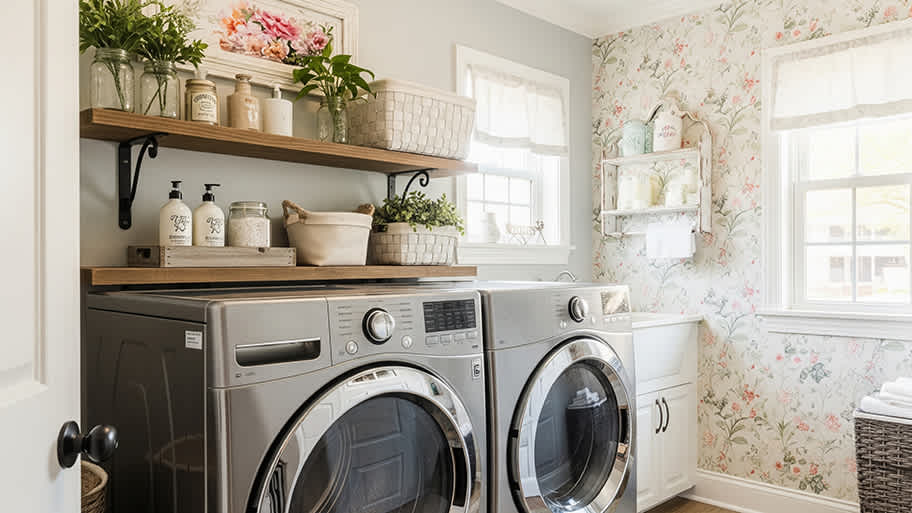
The Gibbstown, NJ homeowners’ guide to drywall services

From average costs to expert advice, get all the answers you need to get your job done.