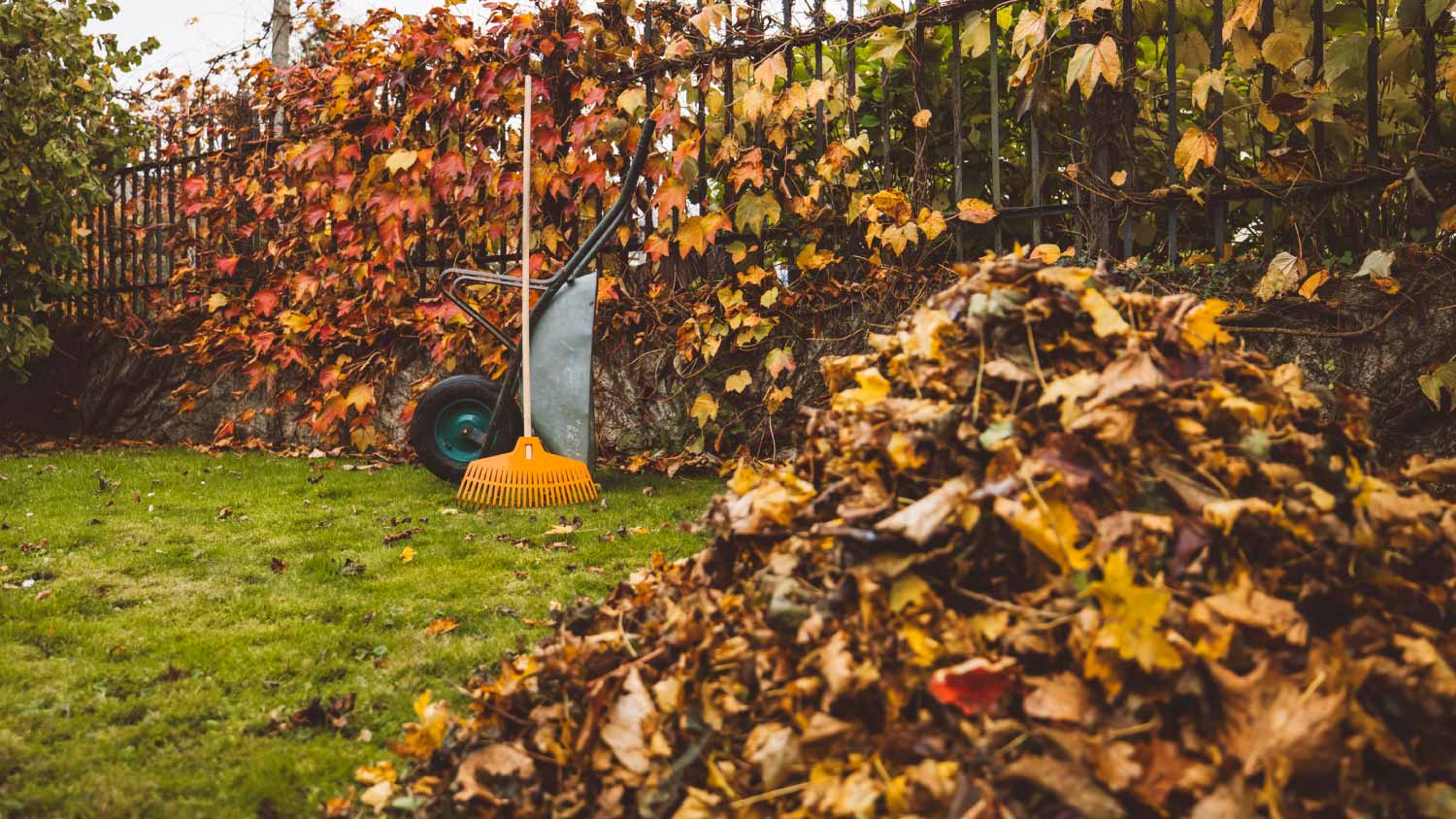
Top-rated leaf removal pros.

Get matched with top leaf removal pros in Chester, NJ

Enter your zip and get matched with up to 5 pros

Need a pro for your leaf removal project in Chester, NJ?

Select your specific project to find the pro for you.

TRUSTED BY CHESTER, NJ HOMEOWNERS

  • Average homeowner rating star icon4.6
    Average homeowner rating
  • Verified reviews icon66
    Verified leaf removal services reviews

Find Leaf removal pros in Chester

Avatar for Sage Landscape Contractors & Tree Service
Sage Landscape Contractors & Tree Service
4.8(
26
)
Lawn & Yard Waste Clean UpLawn Care - Fall / Spring Clean Up - For Business

Serving Chester, NJ and surrounding areas

Approved

In business since 1994

Free estimates

Emergency services offered

"The original project turned into an emergency project because of a storm that brought down two huge trees. Sage handled the removal of the debris of the fallen limbs and removed the trees. We were impressed with the crew. We will be contacting them for the original project in the near future. They left a very good impression."
Tree Trimming
Sage Expert Tree Service
Tree Trimming
Tree Trimming
Tree Trimming

+19

Response time1 day
3 neighbors recently requested a quote
Recommended by86%of homeowners
...
Showing 1-10 of 363
Leaf Removal questions, answered by experts

Exterior paint contains a higher level of VOCs, which can be dangerous if you’re exposed to it for a long period of time. The good news is that paint’s toxicity reduces significantly once fully dried and cured. Do not keep open exterior paint cans in your home, basement, or garage, exposing your household to harmful chemicals over time.

According to the Environmental Protection Agency (EPA), hazardous waste is generally classified into four main categories:

1. Characteristic Wastes: These exhibit at least one of four hazardous traits: ignitability (flammable, like gasoline), corrosivity (can rust or decompose materials, like car batteries), reactivity (unstable and can explode, like aerosol cans), or toxicity (harmful when ingested, like lead-based paint).

2. Listed Wastes: These are specific wastes from manufacturing and industrial processes that the EPA has officially designated as hazardous. They include byproducts from processes that use solvents, pesticides, and other chemicals.

3. Universal Wastes: These are commonly generated hazardous items that are subject to streamlined regulations. Examples include batteries, pesticides, mercury-containing equipment (e.g., bulbs), and some lamps.

4. Mixed Wastes: This category includes waste that contains both hazardous and radioactive components, making it subject to regulation by both the EPA and the Nuclear Regulatory Commission.
Household products such as paints, cleaners, oils, and batteries are considered hazardous and should not be disposed of with regular household waste. Instead, look for local household hazardous waste collection facilities where you can safely dispose of these items without harming the environment or human health.

While not all homes built before 1978 contain lead paint, enough do, so you’ll still want to test to be on the safe side. The federal government banned lead-based paint for homes in 1978, but your state may have banned lead before that time. Around 24% of homes built between 1960 and 1977 contained lead-based paint, while 87% of homes built before 1940 contained lead-based paint.

You can sell a house with lead paint, but there are several requirements. If you are aware that lead paint exists anywhere in the home, you must disclose that to potential buyers. Required home inspections will often uncover lead paint, especially for older houses where lead paint may still be a problem. If you have taken steps to encapsulate lead, you should provide buyers with full documentation of the project so it won’t cause any problems later on.
The Chester, NJ homeowners’ guide to leaf removal services

From average costs to expert advice, get all the answers you need to get your job done.