






Top-rated bird control service pros.

Get matched with top bird control service pros in Winchester, NH

Enter your zip and get matched with up to 5 pros

Need a pro for your bird control service project in Winchester, NH?

Select your specific project to find the pro for you.

TRUSTED BY WINCHESTER, NH HOMEOWNERS

  • Average homeowner rating star icon4.8
    Average homeowner rating
  • Verified reviews icon19
    Verified bird control services reviews

Find Bird control service pros in Winchester

Birch Hill Critter Solutions
4.7(
217
)
Pest Control - Birds and BatsPest Control - Birds and Bats - For Business

Serving Winchester, NH and surrounding areas

Approved

Super Service Award Winner

In business since 2003

Emergency services offered

Warranties offered

"Bob replied to investigate a bird issue in my house, was able to come the next day and did a great assessment and explained options in detail. He a quick and safe extraction, thorough cleaning and properly closed off the access point to prevent future pest access. Highly recommend."
Response time5 hrs
Response rate89%
6 neighbors recently requested a quote

Bird Control questions, answered by experts

Woodpeckers peck at the break of dawn and take a break whenever the sun is not shining. On sunny days, expect pecking from dawn to dusk. On cloudy days, expect sporadic pecking when the sun peeks through. These birds are most active in the spring; you’ll hear them drumming as soon as the weather turns warm. 

When woodpeckers start banging on your walls or roof, they are probably looking for insects to eat, storing nuts for winter, drilling a hole to make a nest, or communicating with other birds to establish territory or find a mate.

The size of the hole can help determine the reason for the pecking. Small irregular holes are a result of insect hunts. Acorn holes are more consistently sized and often fitted with a nut in the middle. Nest holes are large and have rounded edges. If the bird is pecking to mark its territory or attract a mate, it may leave dents rather than holes, and the noise will stop when the mating season starts in spring.

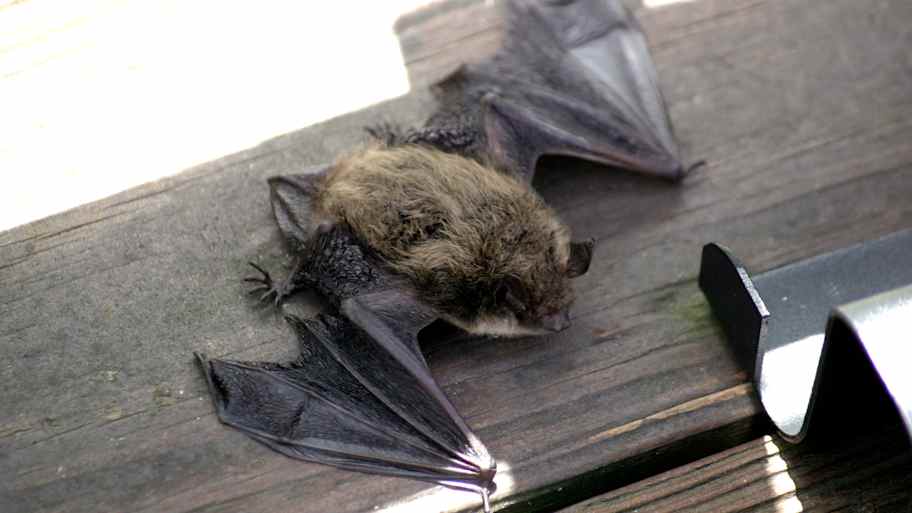
The best time of year to remove bats is autumn until spring. In fact, many states have restrictions on bat removal, mandating it to start sometime in August and go up until May. For some states, the removal period stops in March. Your pest control pro should know of any restrictions and can help you pick an optimal time for removal.

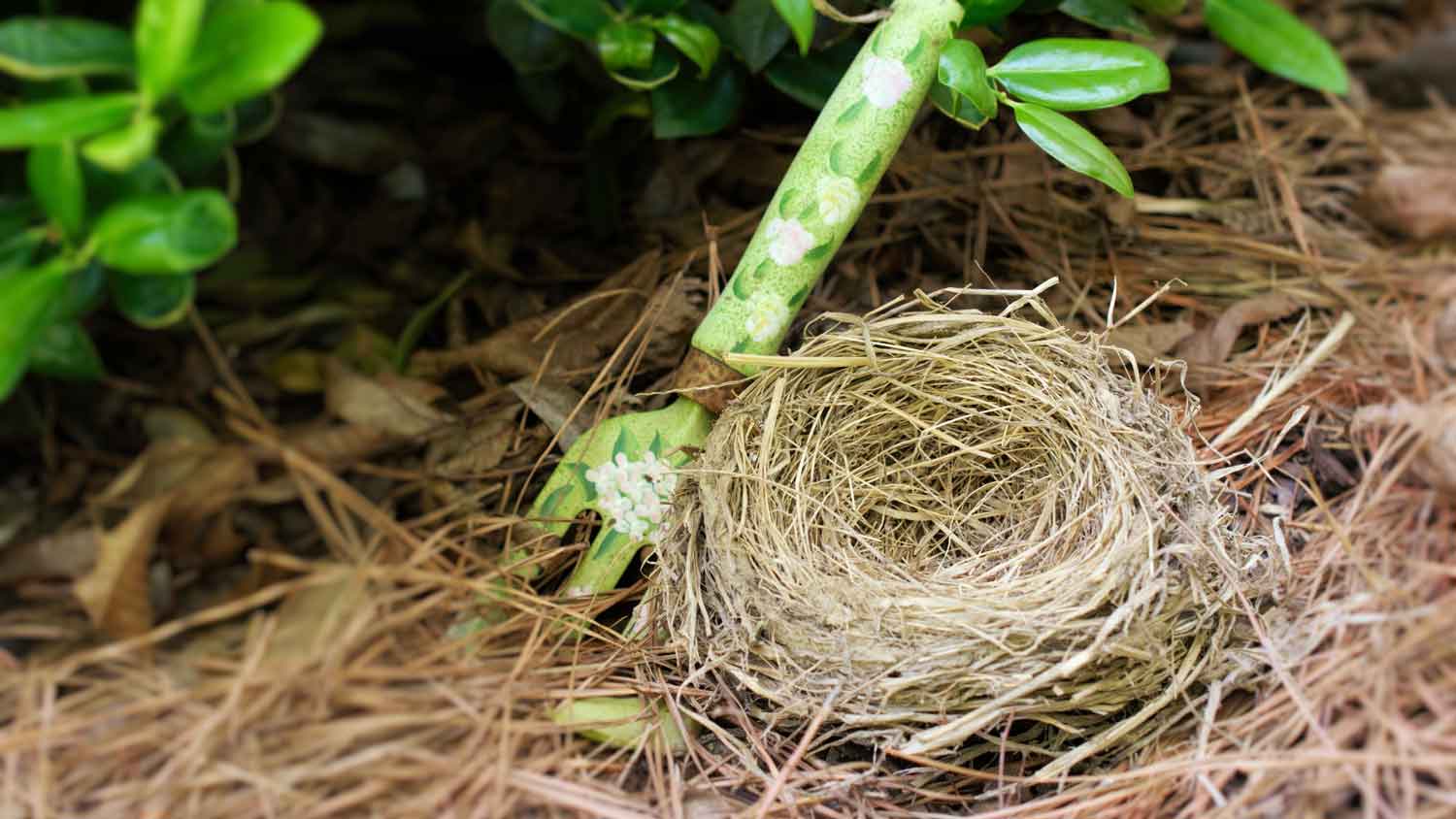
Once the animals and their young are out of the house, remove the nest and locate any entry points. Some may be difficult to find because some animals can fit through very small holes. Once you’ve located as many entry points as possible, use materials such as metal or masonry to block off the entry. Ideally, you should choose materials that most animals cannot chew through. Create a one-way door or flap to allow animals to leave but not return. Additional methods include using repellants designed to make an area unappealing to the types of animals that find your home so inviting. 

Some birds of prey, like owls, hunt at night. Hawks are diurnal and need good light to see their prey. You could see them circling anytime from dawn to dusk. Species like the common red-tailed hawk are most active in the early morning and late evening when their prey is also typically on the go.

The Winchester, NH homeowners’ guide to bird control services

From average costs to expert advice, get all the answers you need to get your job done.