






Top-rated lead testing and removal specialists.

Get matched with top lead testing and removal specialists in Temple, NH

Enter your zip and get matched with up to 5 pros

Need a pro for your lead testing and removal project in Temple, NH?

Select your specific project to find the pro for you.

Find Lead testing and removal specialists in Temple

Lead Testing and Removal questions, answered by experts

Some causes of brown well water—like excess tannins or dissolved iron—don’t pose a health risk. In other cases, harmful bacteria might be the culprit. If your well water has suddenly turned brown, it’s a good idea to use a home water test kit to get a better sense of what’s going on with your water. Consider calling a professional for an expert opinion before drinking the water and hoping for the best.

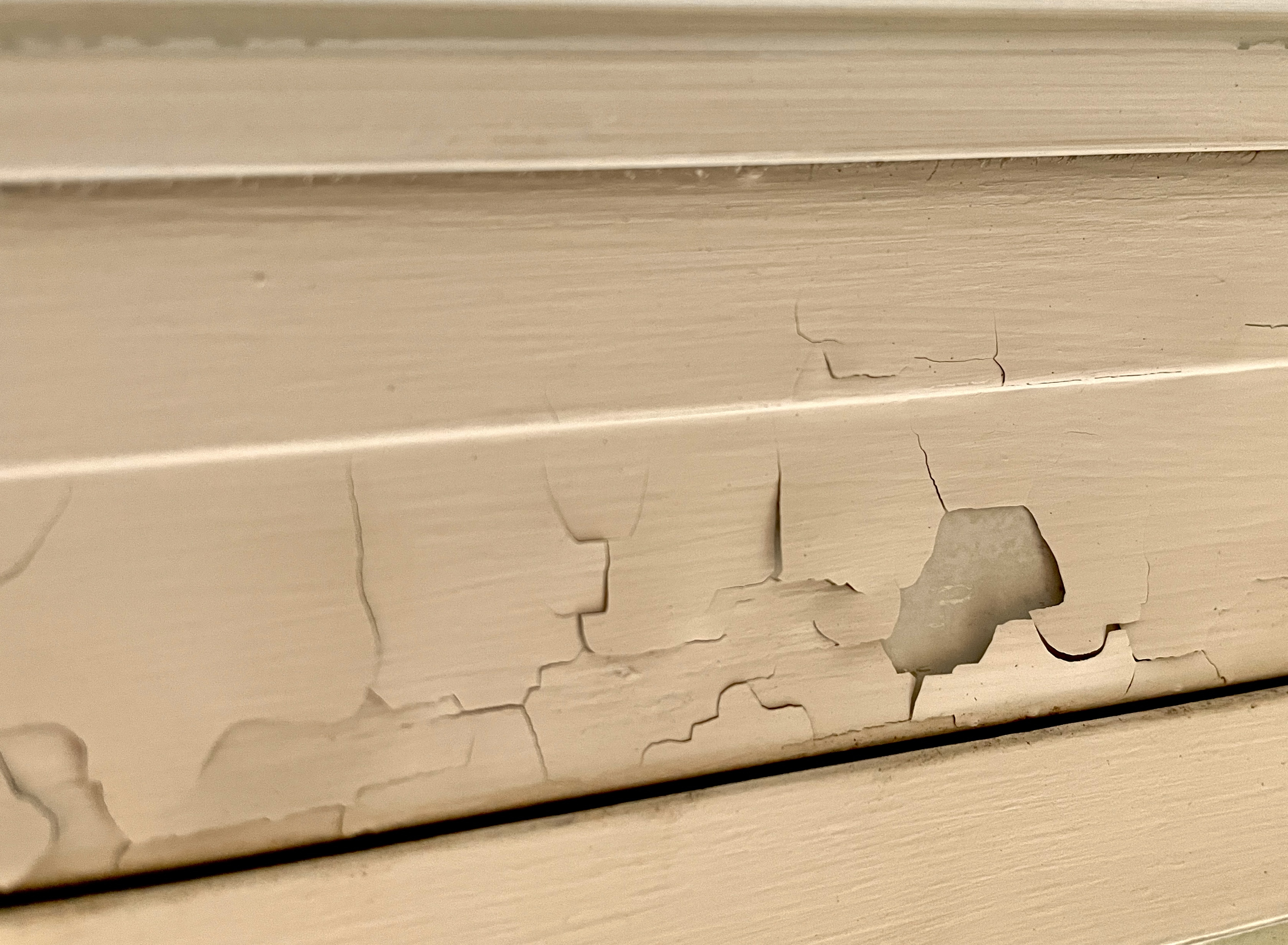
While not all homes built before 1978 contain lead paint, enough do, so you’ll still want to test to be on the safe side. The federal government banned lead-based paint for homes in 1978, but your state may have banned lead before that time. Around 24% of homes built between 1960 and 1977 contained lead-based paint, while 87% of homes built before 1940 contained lead-based paint.

Properties should be tested for lead every 2-3 years, especially if they are older, have undergone renovations, or show deterioration of paint or interior finishes.

Mold, VOCs, radon, carbon monoxide, and particulate matter are typically measured.

Determining if your water main contains lead involves a few steps. First, check the age of your property, as homes built before the 1980s might have lead pipes. Contact your water utility company for information on your service line material. Then, you can hire a professional plumber to conduct an inspection or use a lead testing kit to analyze water from the main line.

The Temple, NH homeowners’ guide to lead testing and removal services

From average costs to expert advice, get all the answers you need to get your job done.