Top-rated landscapers.

Get matched with top landscapers in Sullivan, NH

Enter your zip and get matched with up to 5 pros

Need a pro for your landscaping project in Sullivan, NH?

Select your specific project to find the pro for you.

TRUSTED BY SULLIVAN, NH HOMEOWNERS

  • Average homeowner rating star icon4.8
    Average homeowner rating
  • Verified reviews icon26
    Verified landscaping services reviews

Find Landscapers in Sullivan

Avatar for Grass365 of New England
Grass365 of New England
5.0(
150
)
Landscape - Install Synthetic Grass for Putting Greens, Play Areas, etc.Landscape - Install Synthetic Grass for Landscaping, Putting Greens, etc. - For Business

Serving Sullivan, NH and surrounding areas

Approved

Super Service Award Winner

In business since 2015

Free estimates

Emergency services offered

"I tried Sod for my yard twice but my German Shepard killed it. I figured I give this a try and it has been two weeks so far and I feel it is one of the best things I have done. Yard looks great and the crew that put it in did an awesome job. They did a lot of work to level out the yard and to secure the turf down. Anyone is welcome to come and check this out in Lowell Ma. Just email me at [email protected]"
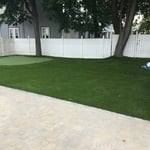
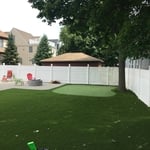
Backyard with golf green
Winthrop, MA Back yard with golf green
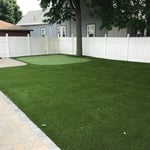
Backyard
Medford, MA Backyard
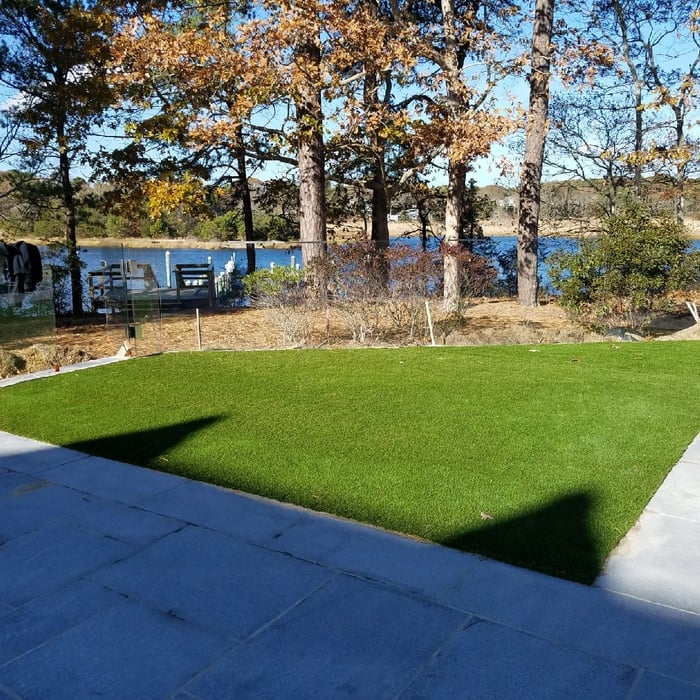
Marston Mills, Cape Cod

+13

Response time1 day
Response rate88%
85 neighbors recently requested a quote
...
Showing 1-10 of 164
Landscaping questions, answered by experts

The best size rock for your landscaping depends on the design, as different boulders serve different purposes. If you want to group boulders to create a natural-looking cluster, you’ll need a range of sizes. Otherwise, here are some suggestions:

  • Small boulders (smaller than 12 inches across): Best for landscape edging and fire pits 

  • Medium boulders (12–24 inches): Best for retaining walls and water features

  • Large boulders (more than 24 inches): Best as standalone landscaping features, steps, or walkways.

Of course, you can mix and match sizes to create a unique display.

The best time to plant is between spring and autumn. Springtime weather is typically mild and is when nurseries start to bloom. When the summer weather arrives and it’s hot out, it’s best to avoid planting bare-root plants, but you can still plant many in-container varieties. The first sign of fall is another great opportunity to plant biennials if you live in southern states, or a lovely vegetable garden up north.

Grass is the most popular and safest option for planting over a septic drain field, but you can also plant small flowering plants and other lightweight plants that don’t have woody or deep roots. Avoid trees and bushes within 10 feet of the field, as the woody roots can crack the perforated pipes. You should also avoid planting vegetable or fruit gardens over your drain field, as a leak from the pipes could contaminate the soil and put anyone who eats the produce at risk.

There are several reasons your grass may be dying that could be in or out of your control. The most common issues include poor drainage, under/overwatering, poor soil pH, low soil nutrients, low sunlight, or too much foot traffic.

The best place to plant a rose bush is where it will be happiest. Growing roses is difficult if the location varies much from what the plants like. Choose a location that gets at least six hours of direct sunlight during the growing season but not much more than that in hot-climate locations. If such a spot doesn't exist in your yard, consider planting your rose in a movable container to take advantage of portability.

The Sullivan, NH homeowners’ guide to landscaping services

From average costs to expert advice, get all the answers you need to get your job done.