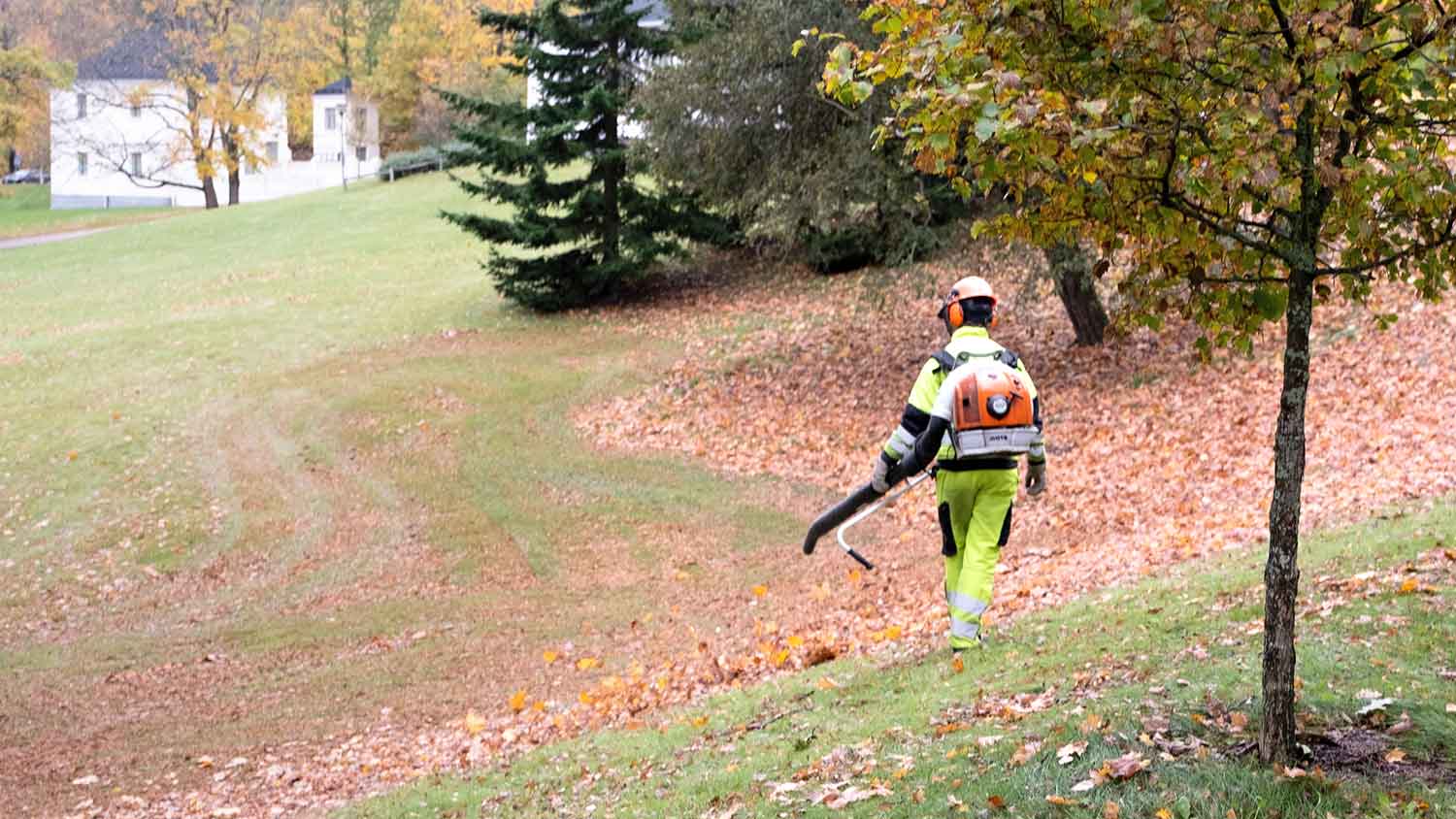






Top-rated leaf removal pros.

Get matched with top leaf removal pros in Springfield, NH

Enter your zip and get matched with up to 5 pros

Need a pro for your leaf removal project in Springfield, NH?

Select your specific project to find the pro for you.

Find Leaf removal pros in Springfield

Avatar for Mascoma Waste Management
Mascoma Waste Management
4.9(
23
)
Waste, Junk, Building Materials and Debris - Remove and Haul

Serving Springfield, NH and surrounding areas

Approved

In business since 2021

Free estimates

Emergency services offered

"John was very pleasant & easy to work with. He did not complain about anything/us being on the 3rd floor.. Before leaving he even brought 4 boxes one flight up to my storage space which, to someone with a broken foot, is greatly appreciated! John was awesome and I would highly recommend he and his company."
Response time3 days
22 neighbors recently requested a quote
Recommended by90%of homeowners
...
Showing 1-10 of 86
Leaf Removal questions, answered by experts

Household products such as paints, cleaners, oils, and batteries are considered hazardous and should not be disposed of with regular household waste. Instead, look for local household hazardous waste collection facilities where you can safely dispose of these items without harming the environment or human health.

Chlorine has a shelf life of between six months and several years, depending on its type and formulation. Liquid chlorine can often lose its effectiveness in just a few weeks. Pool owners can find themselves with overstock that they need to get rid of. The best way to dispose of excess chlorine is to take it to a hazardous waste collection site and let the pros handle it.  

Disposing of old paint, bleach, oil, and fertilizer should be handled by a company that specializes in this kind of waste. Many private junk removal companies do not dispose of these items. Because these materials are hazardous to the environment and dangerous to handle or dispose of improperly, you should confirm with your local municipality about places to take hazardous materials for safe disposal. 

While not all homes built before 1978 contain lead paint, enough do, so you’ll still want to test to be on the safe side. The federal government banned lead-based paint for homes in 1978, but your state may have banned lead before that time. Around 24% of homes built between 1960 and 1977 contained lead-based paint, while 87% of homes built before 1940 contained lead-based paint.

If the lead paint is in a place that is not easily disturbed and is not flaking or deteriorating, you do not necessarily need to remove it. Lead is toxic when dust particles or flakes from peeling lead paint are ingested. If people are not in the area with the lead paint, it may be safe to leave it in place. You still may want to consider encapsulation with a paint formulated for covering lead-based paint, just for an added layer of protection.

The Springfield, NH homeowners’ guide to leaf removal services

From average costs to expert advice, get all the answers you need to get your job done.