






Top-rated weed maintenance pros.

Get matched with top weed maintenance pros in Ossipee, NH

Enter your zip and get matched with up to 5 pros

Need a pro for your weed maintenance project in Ossipee, NH?

Select your specific project to find the pro for you.

TRUSTED BY OSSIPEE, NH HOMEOWNERS

  • Average homeowner rating star icon4.8
    Average homeowner rating
  • Verified reviews icon17
    Verified weed maintenance services reviews

Find Weed maintenance pros in Ossipee

No results for Weed maintenance pro in

Try adjusting your search criteria.
Weed Services questions, answered by experts

Mowing is one of the most important ways to maintain your lawn because it encourages grass to grow horizontally, creating a fuller, more uniform yard. On top of mowing your lawn, you’ll want to routinely fertilize your lawn, water it regularly, and take care of pests the moment they arise. 

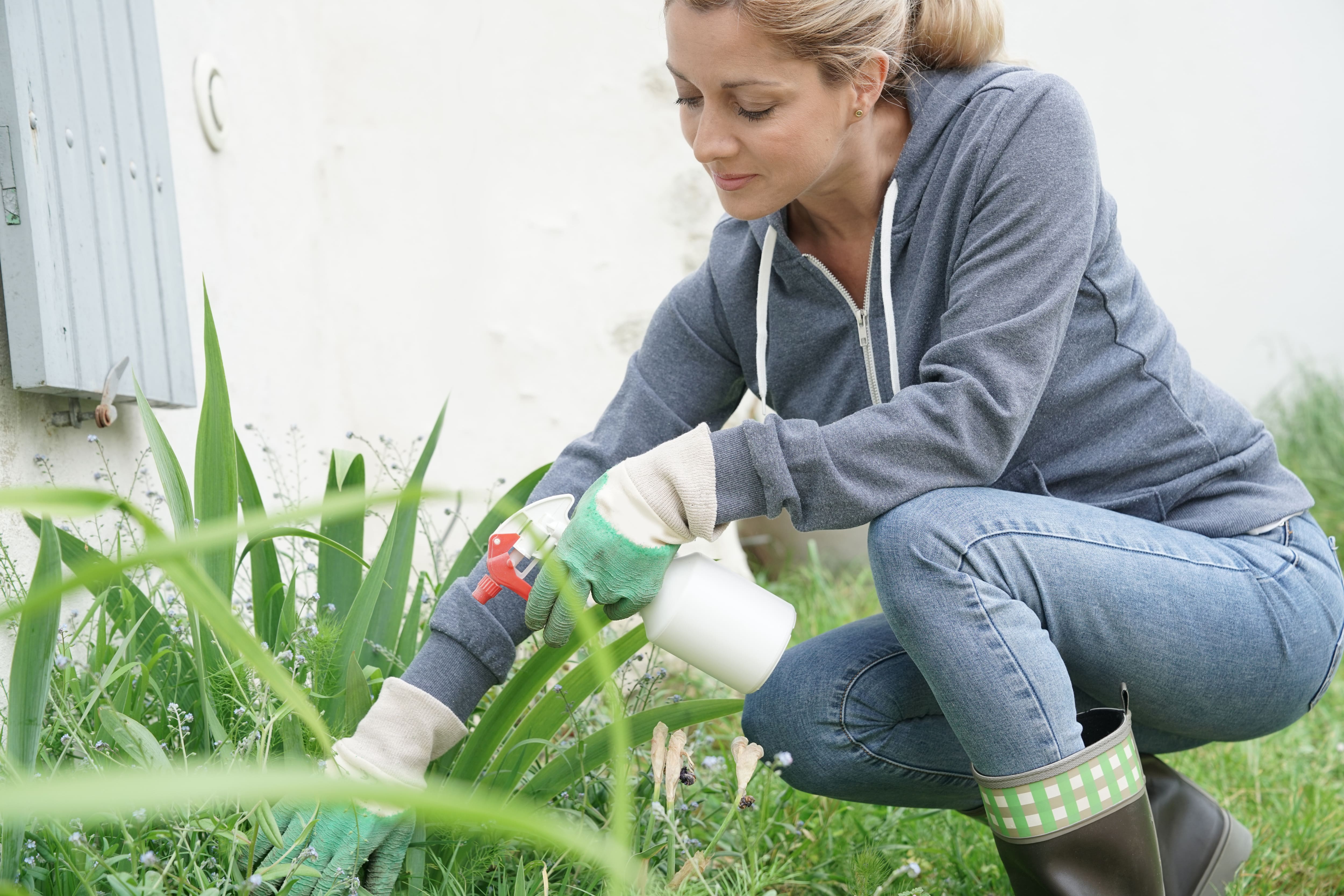
If you spray a DIY vinegar solution that contains high salt, it can disrupt the soil's structure and make it difficult for plants to grow. That's why it's vital to avoid spraying vinegar solution on areas where you are trying to grow plants and flowers. When using a mix of vinegar and soap, some say you can plant a few days after the vinegar dries. 

You should add 1 to 4 inches of mulch, depending on your garden type and needs. Keep in mind that no amount of mulch can completely prevent weeds, but a heavier coverage (closer to 4 inches) can suppress weeds enough that you are only seeing them sprout every few weeks. Finer mulch prevents weeds more effectively than large mulch, so if you’re using mulched leaves or shredded bark, 1 to 2 inches will likely suffice, while 3 to 4 inches is best for larger mulch, like bark chips or straw.

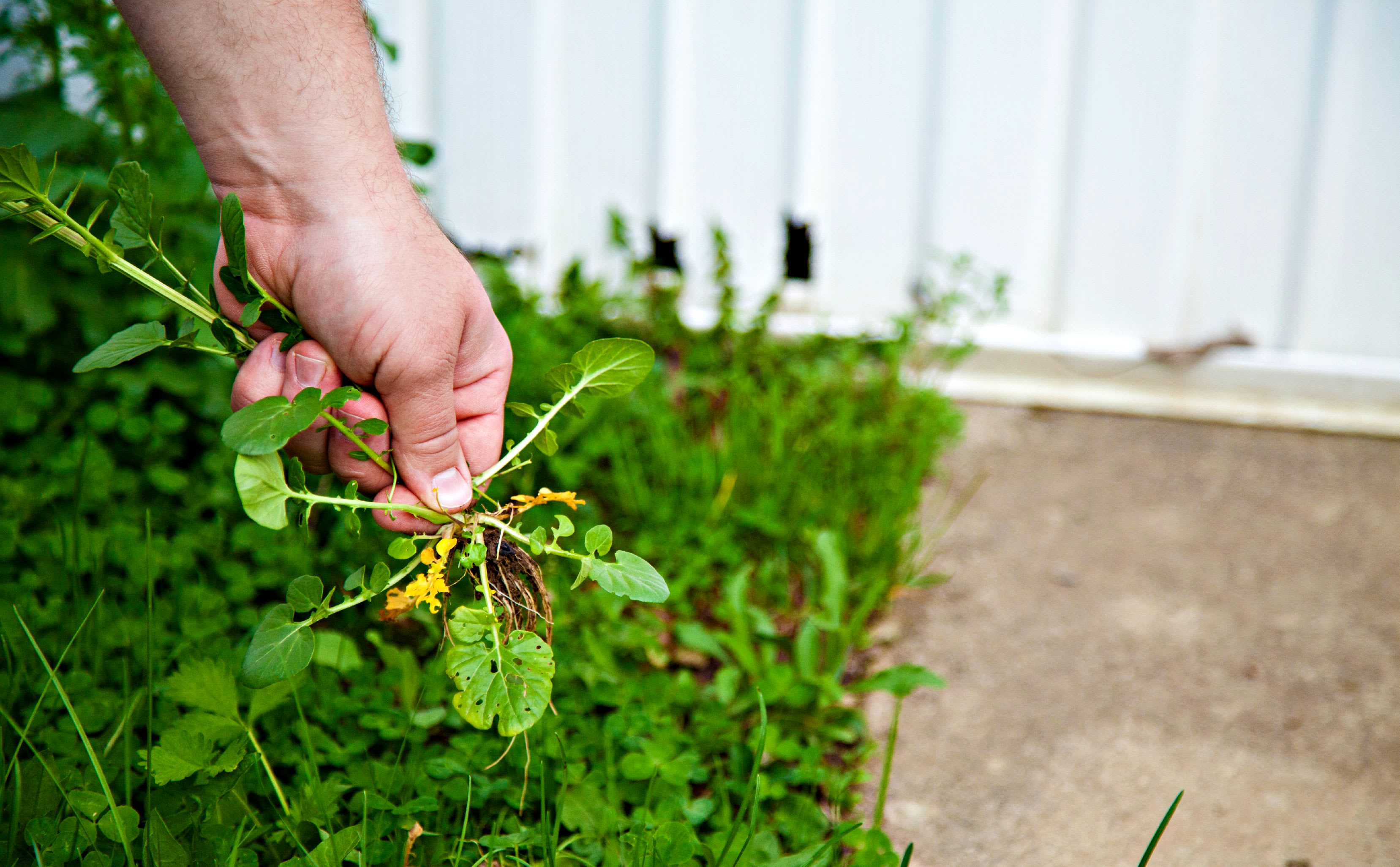
No, definitely not. Pulling weeds by hand is the single most effective way to remove them because you're eliminating the entire plant—roots and all—so it won’t have a chance to grow or spread. Setting time aside a few times per week to pull weeds can keep them at bay. If the number of weeds gets overwhelming, then you can resort to other methods.

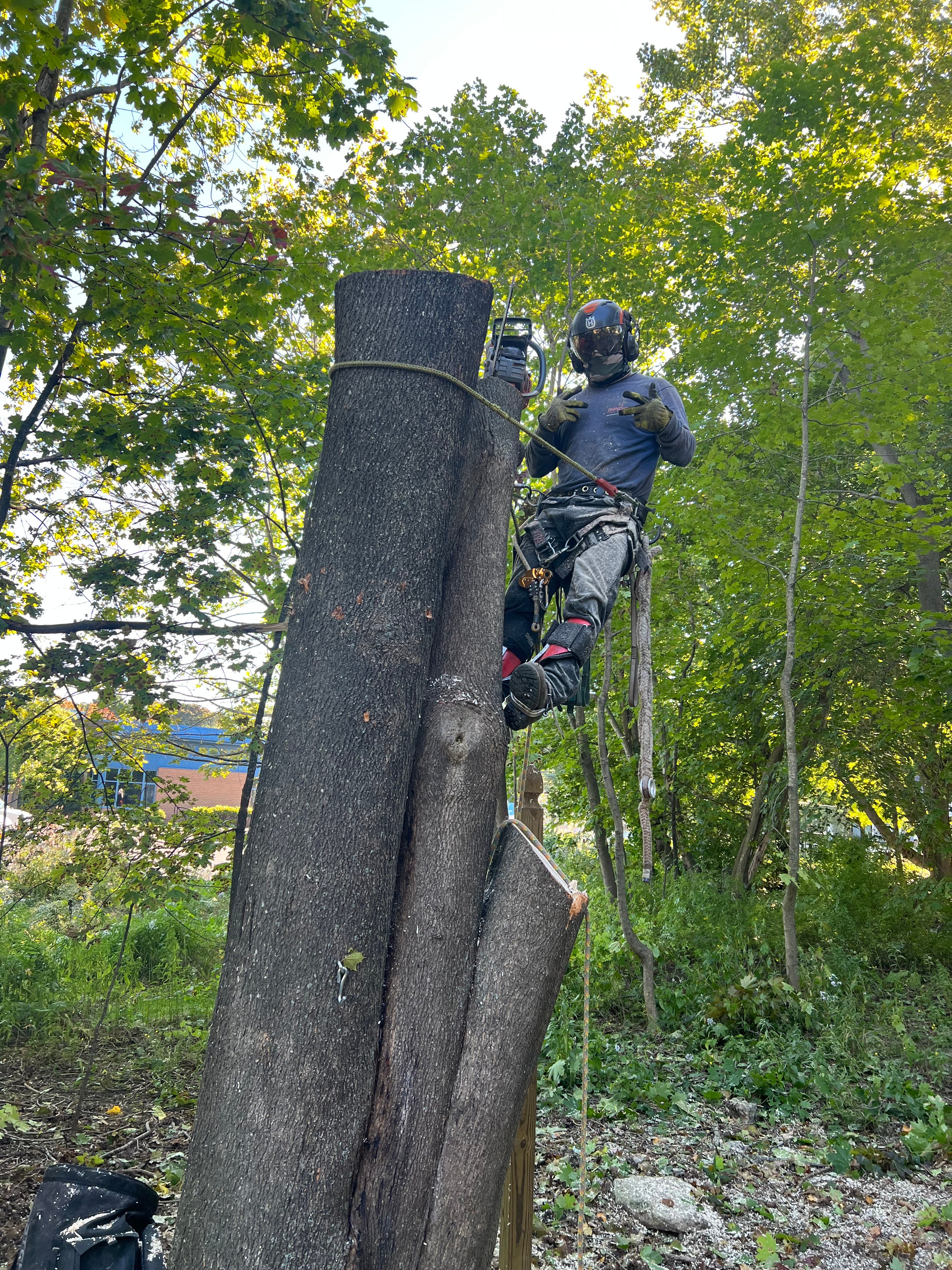
It’s not legal to intentionally damage a neighbor’s tree. Even if the roots of a tree encroach into your yard, if you damage or kill a tree that belongs to your neighbor, you can be held liable for the damage in most cases. Since herbicides can spread through the tree, causing damage to the whole tree and not just the roots that are on your side of the property line, you shouldn’t poison your neighbor’s tree. The other downside to this method is that if the tree dies, it can fall onto your property and cause more damage, so herbicides are best avoided in this circumstance.

The Ossipee, NH homeowners’ guide to weed maintenance services

From average costs to expert advice, get all the answers you need to get your job done.