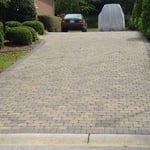
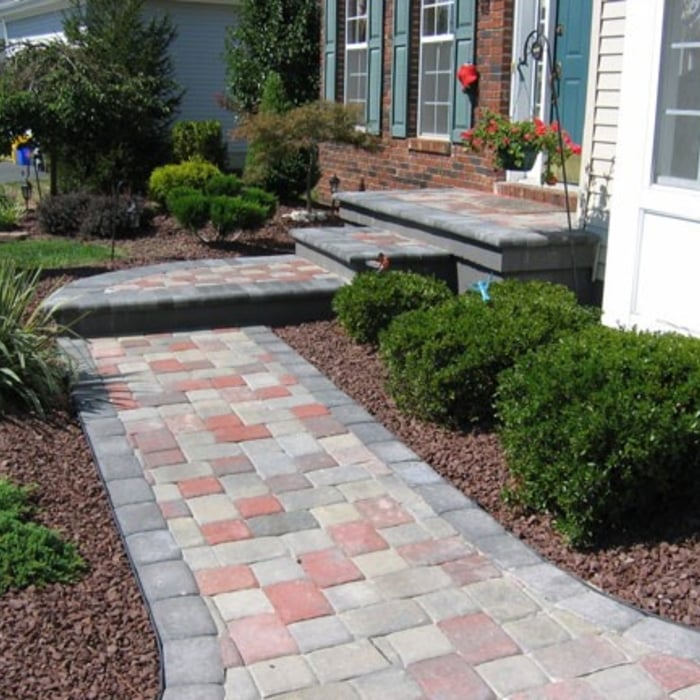
We have YEARS of experience in the business. Here at Dalton Mountain Landscaping we pride our company on reliability, great communication, integrity, and quality work. We are experts in our trade and will do our best to keep you as educated as we can on your particular task or project. We look forward to earning your business!
Our landscape design process begins with a personalized consultation, assessing your needs and becoming familiar with your design preferences. Years of hands-on experience, in addition to numerous landscaping awards and certifications, allow our team to make expert recommendations that will ensure your design continues to look beautiful from season-to-season and year-after-year.\nMany landscape contractors lack the experience to develop landscape design plans that increase in value throughout the years. • Financing Options. Our talented team is knowledgeable in all aspects of high-quality landscaping design, including:\n\nPlant Selection and Placement. Our suggestions are crafted based on your preferences and include the ideal specimens for your specific location and property environment.\n\nBloom Schedules and Growth Rates. We expertly design landscapes with strategic placement and arrangement that allow your property to look exquisite and cohesive throughout each growing cycle (even in the winter months).\n\nMoisture and Sunlight Needs. Based on the moisture and light conditions of your landscape, we offer options that will thrive in your natural setting and distinct property's characteristics.\n\nOutdoor Living Spaces. Whether for outdoor entertaining, patio grilling, or just relaxing under a covered pergola, a well-designed outdoor living space can easily become your new favorite "room."
We take great pride in our experience, expertise, quality and customer service that we provide to meet the consumers needs. It is our mission, to provide excellent customer service from start to completion of a project. To understand the needs and expectations of our customers, we take great care to work and communicate with every customer in a personal and professional manner. Our reputation is based on service, safety and quality, regardless of how large or small the job.
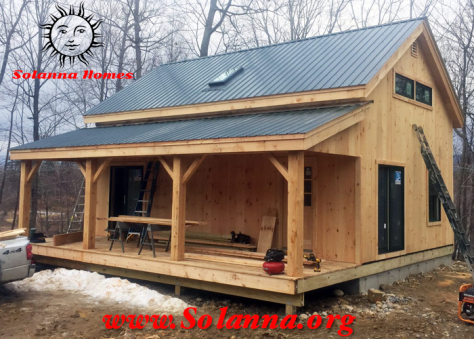
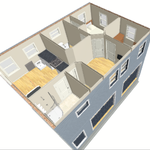
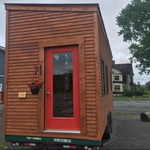
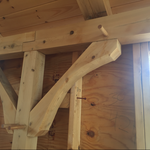
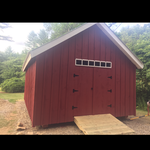
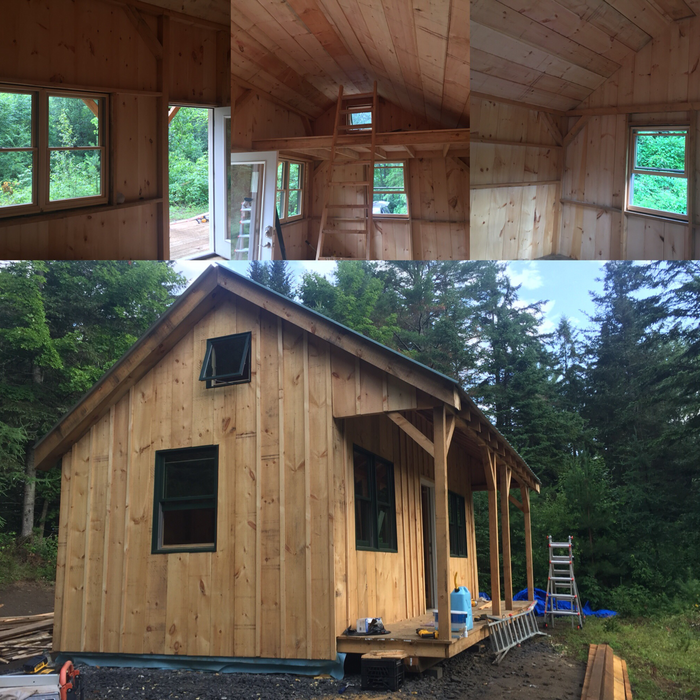
We are a full-service, fully-insured General Contractor serving Vermont, New York and New England with FREE estimates. Turnkey Homes from foundation-to-roof our seasoned crew specializes in Conventional and Timber Frame Homes, Garages and Apartments. * Siding * Windows * Roofing * Fine Finish Work * Concrete Foundations
A good rule of thumb is to change 5% to 15% of your koi pon’s water every week. Partial water changes help keep your koi healthy, and replacing small amounts at a time prevents causing stress for the fish.
Upfront and maintenance costs can escalate quickly.
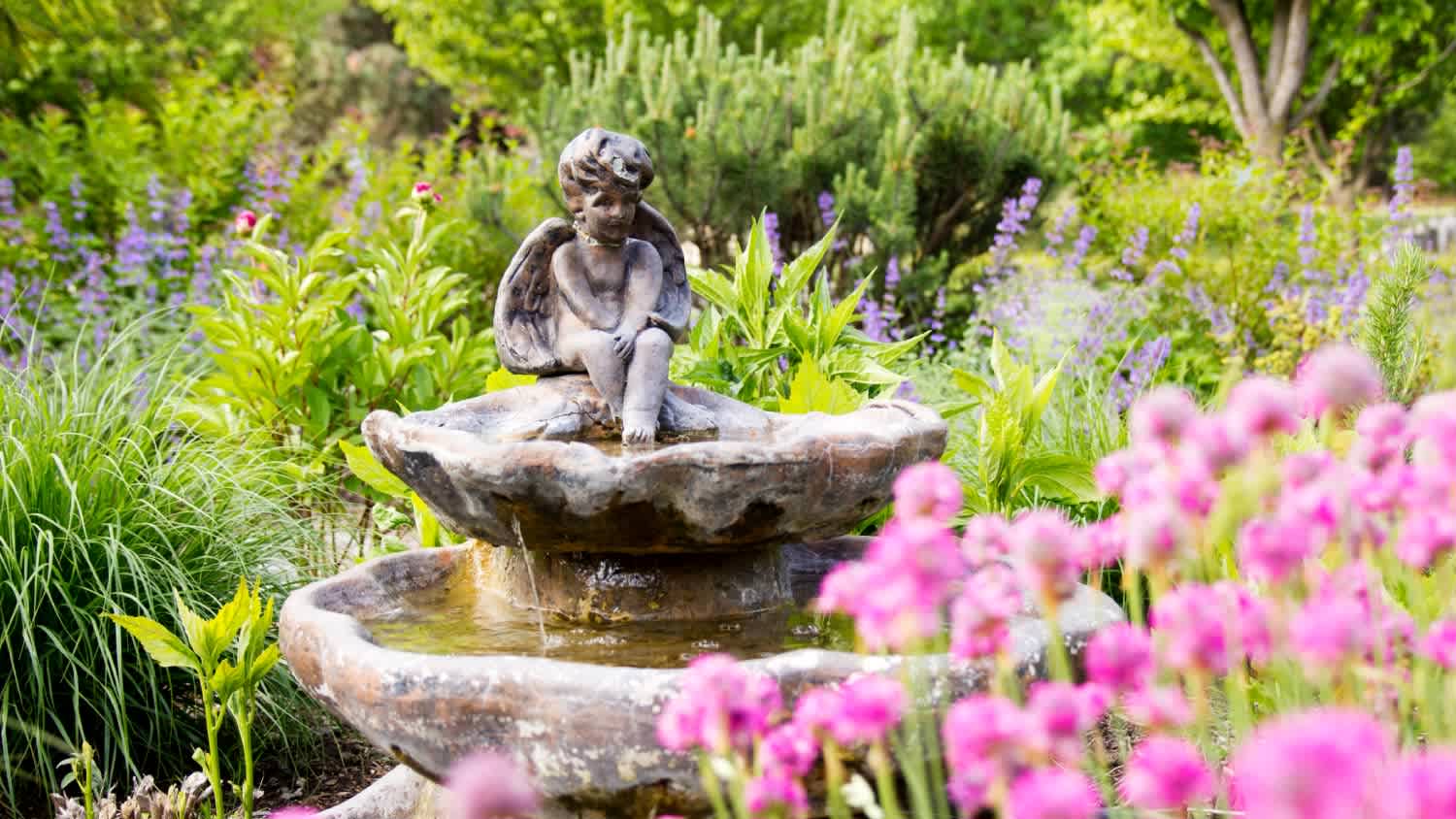
Space may not permit you to install the fountain you want.
DIY kits are available, but professional installation ensures proper water flow, electrical safety, and leak prevention.
Seeps and springs form when groundwater reaches the earth’s surface. The main differences between them are the amount of water and the flow rate. Seeps are smaller than springs and consist of water that’s stagnant or flows slowly. Springs contain more water and flow more quickly.
Lifespans vary by material and manufacturer, but pond liners last anywhere from 10 to 75 years. For example, polyvinyl chloride (PVC) pond liners have a life expectancy of up to 20 years. Other types of pond liners, including those made of high-density polyethylene (HDPE) and ethylene propylene diene monomer (EPDM), can last 40 to 50 years.
The Lancaster, NH homeowners’ guide to fountain services
From average costs to expert advice, get all the answers you need to get your job done.
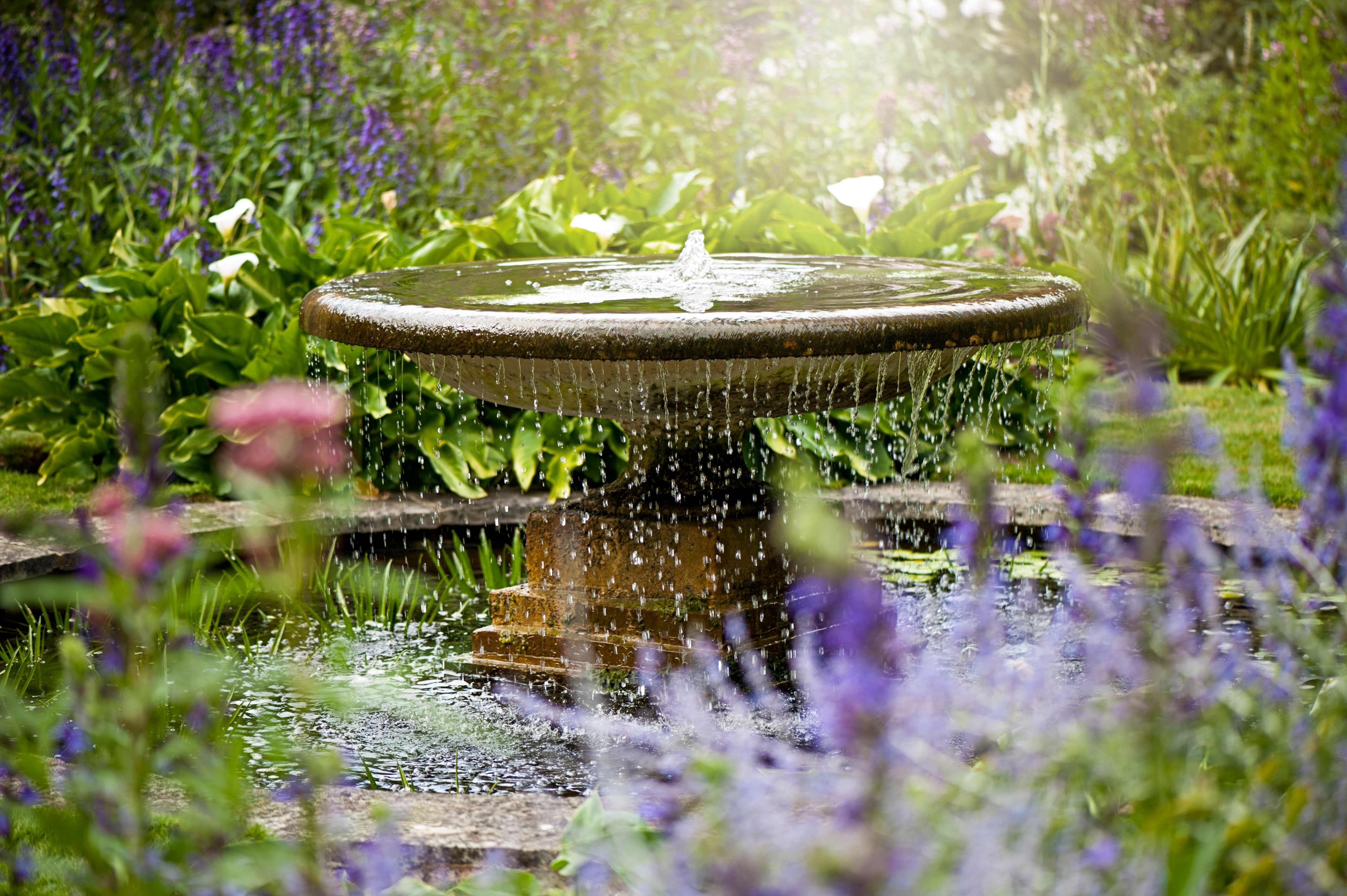
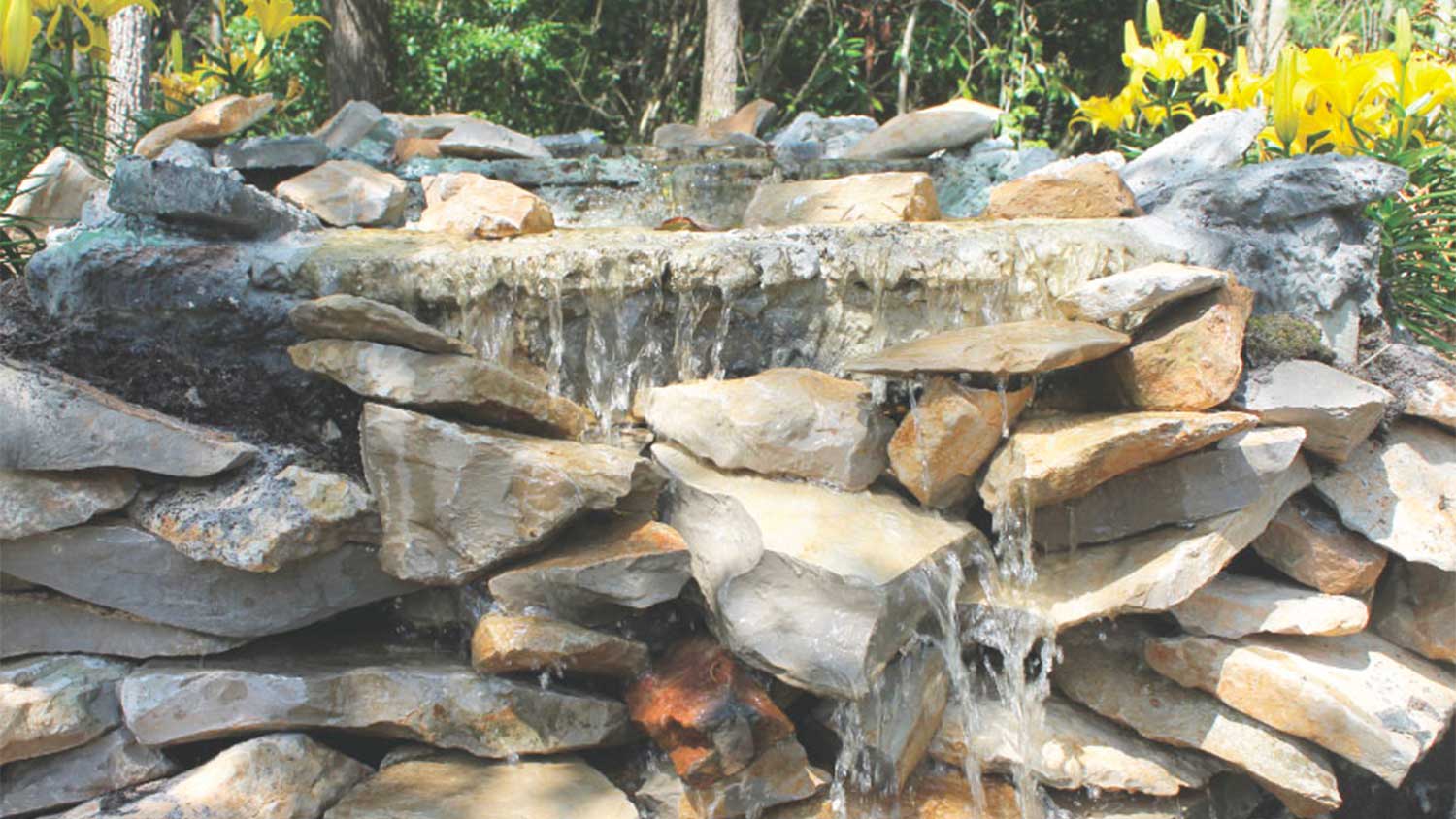
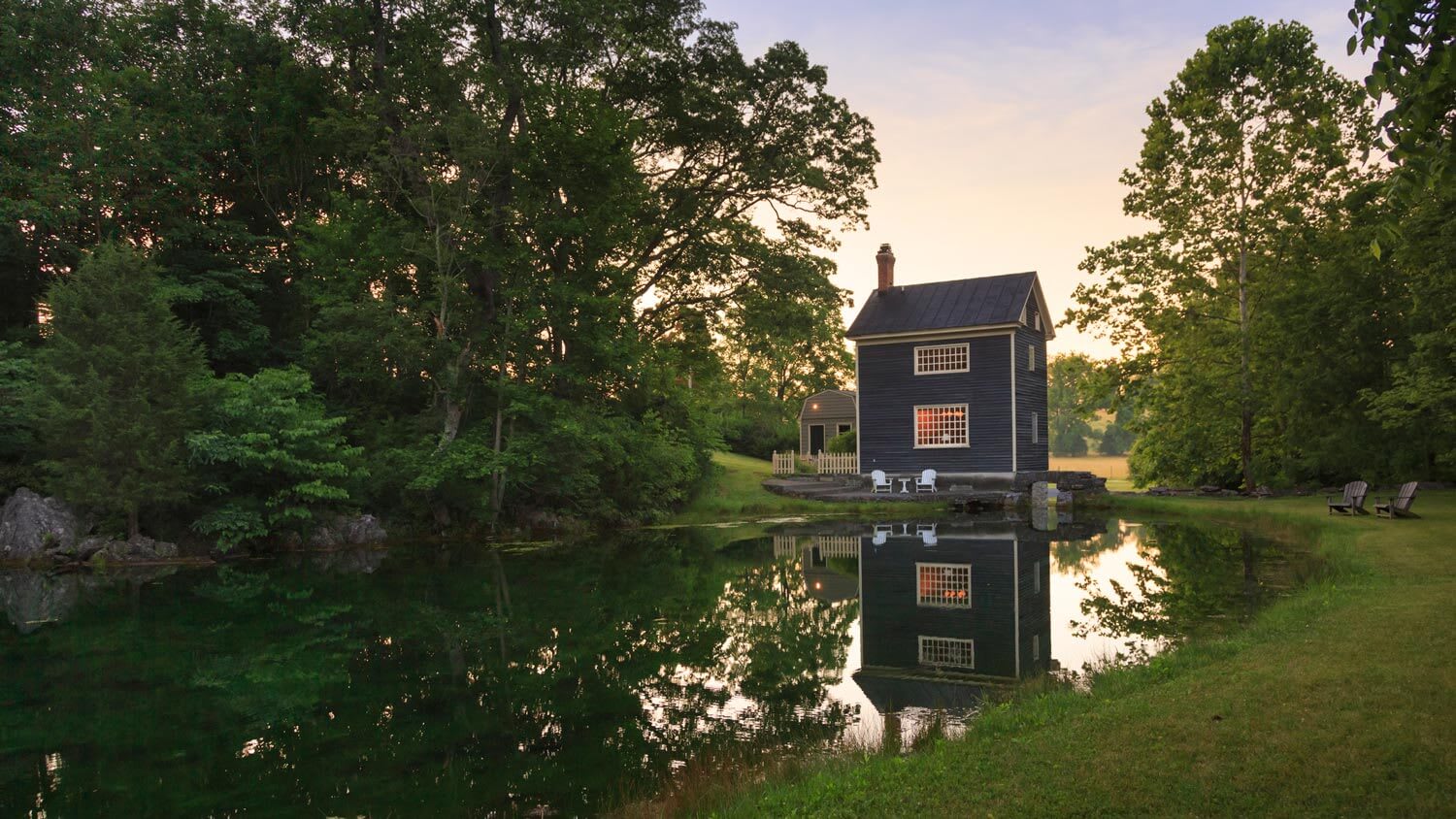
Discover the cost to install a fountain in your pond, including average prices, key cost factors, and tips to save money on your pond fountain installation.
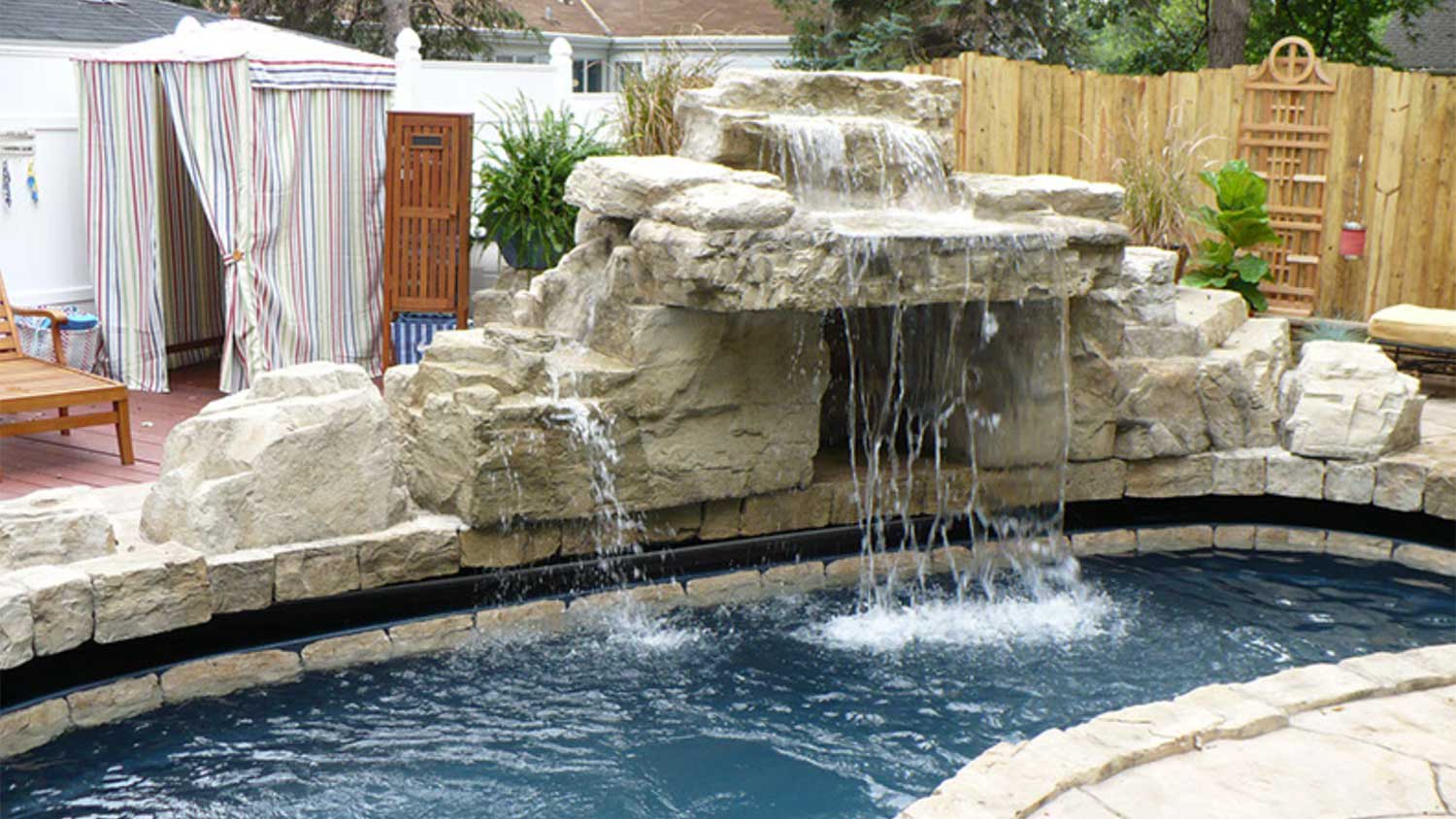
Learn how to find and hire a qualified waterfall or fountain installation professional for your outdoor water feature project with expert tips and questions to ask.