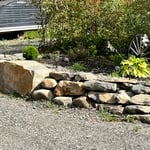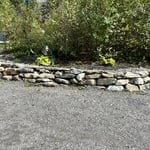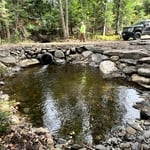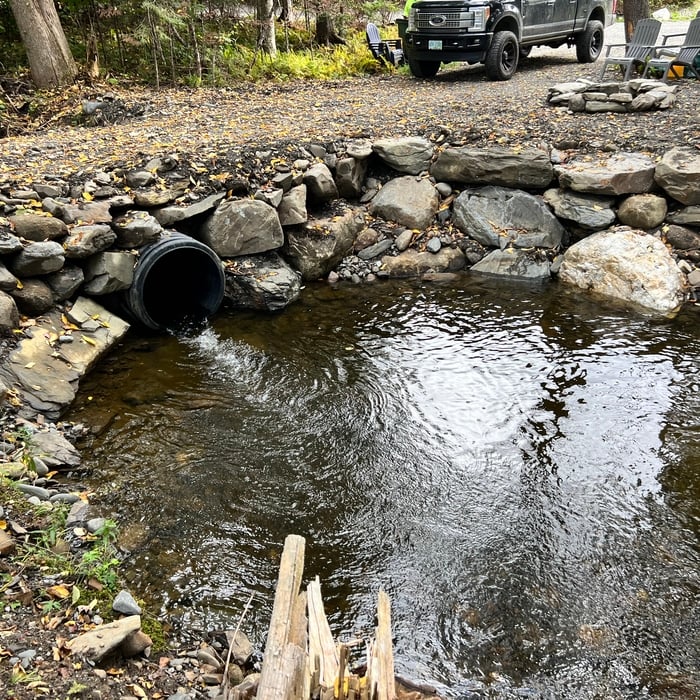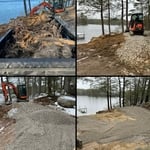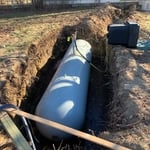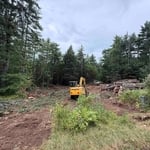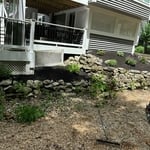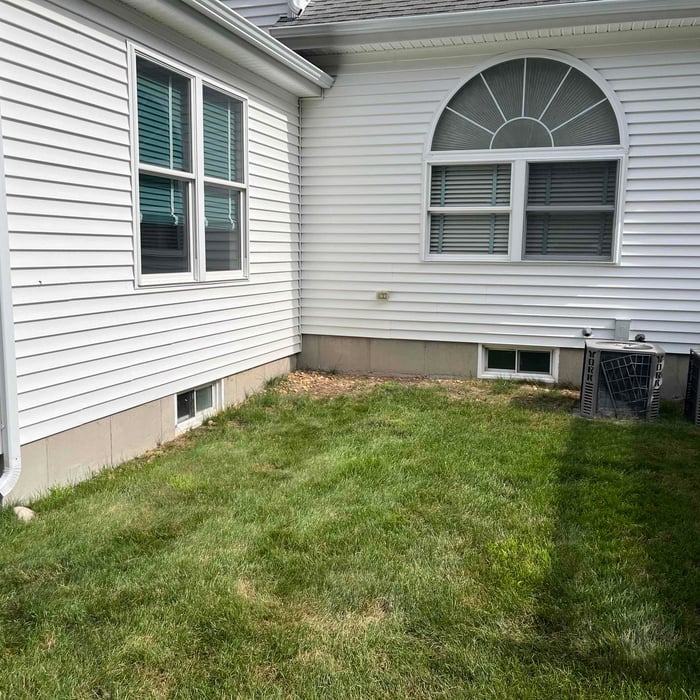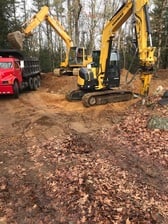
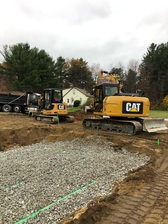



"Hired EZ excavation for site, prep work and sewer line installation. ERIC was prompt and professional with reasonable prices. Everything went great. I would recommend him for any project."
"Frank was great. Had him here to excavate for a shed and he did an excellent job. He was reasonably priced, knowledgeable, and friendly. Also dug conduit for electrical for it. Awesome guy and would love to work with him again."
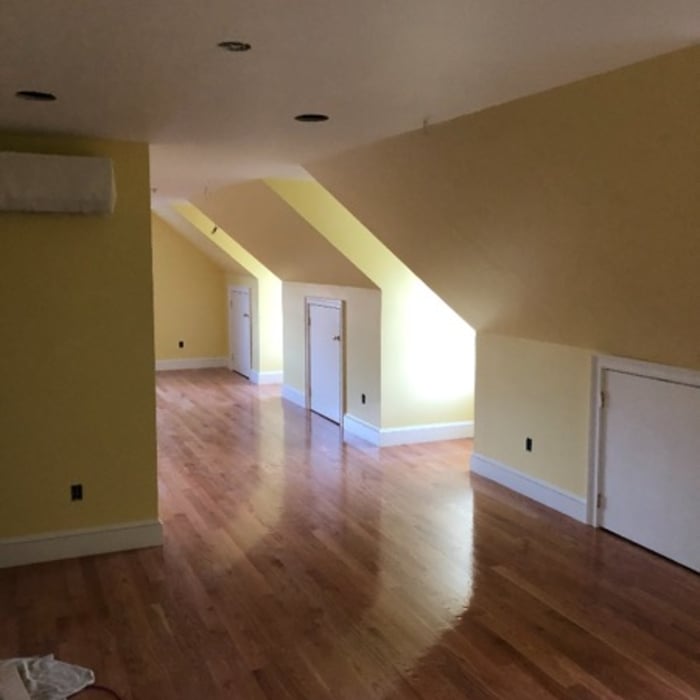
"Lenny and Nick went above my expectations! I told them what I wanted, Nick sketched out a plan, and it was perfect! My basement is absolutely beautiful! They were reliable, prompt, and told me everything that was going on! I would highly recommend this company for any remodel! Bravo guys!"
"The attention to detail of the work was top rate. We had three sink holes in our yard that they took care of for us, as well as spreading loam for us to start a lawn in the spring. I very highly recommend McAdams Excavation."
"I could not be happier with the work performed by Bob and his team. They were extremely profession, delivered everything promised, were prompt and friendly! Our project turned out even better than we thought possible and the cost was extremely fair. I would highly recommend Corriveau Construction!!"
The best method for digging a trench depends on the scope of the project. For a short, shallow trench (less than 2 feet deep) in light, soft soil, digging by hand may be sufficient. However, digging by hand is labor-intensive, so consider the effort required. A machine trencher is the better option for longer trenches (over 100 feet), deeper ones, or when dealing with difficult soil conditions, such as rocky or hard ground, or obstructions like tree roots. A machine can save significant time and energy in these situations.
You can bury underground electrical wire six inches deep—but only if you use a rigid metal electrical conduit. For rigid, non-metallic conduits, bury the wire at least 12 inches deep. If using an underground feeder cable rated for direct burial, you'll need to place it at least 18 inches deep, as it has no conduit for extra protection.
Hard soil could be a sign of overly dry dirt, either from poor drainage or drought. It's important to test the nutrient levels, density, and drainage capacity of your soil to see if it's absorbing water properly. Begin by adding a light layer of water and observing how long the soil retains moisture. If you experience a good deal of runoff, you may need to aerate your lawn, apply a wetting agent, or hire a professional for a closer look.
Tree experts don’t advise against digging through tree roots, but instead encourage caution and consultation with a local arborist to make sure you don’t damage the tree’s structure or interrupt its water or nutrient intake. An arborist can recommend specific practices when digging and help prune the roots or dig a trench for utilities with a tool that can remove soil without touching the tree’s roots.
A crawl space can be as little as 42 inches below the grade of your house, but this is not always recommended in flood-prone areas. At a minimum, there must be at least 16 inches of clearance between the ground and the floor joists to access the space in an emergency.
The Hooksett, NH homeowners’ guide to excavation services
From average costs to expert advice, get all the answers you need to get your job done.
Excavation costs $1,500 to $6,300 for most residential projects—but it depends on factors like the size of the area. This guide will help you plan a budget.
You can't have an in-ground pool without digging into the ground. How much does pool excavation cost, and can you take it on yourself? Our guide explains.