Top-rated lead testing and removal specialists.

Best lead testing and removal specialists near Freedom, NH

Enter your zip and get matched with up to 5 pros

Need a pro for your lead testing and removal project in Freedom, NH?

Select your specific project to find the pro for you.

Top-Rated Lead testing and removal specialists in Freedom - Updated Nov 2026

Avatar for Solanna Homes LLC
Solanna Homes LLC
2.4(
5
)
Toxic Lead - AbatementToxic Lead - Testing

Serving Freedom, NH and surrounding areas

In business since 1986

Free estimates

"It was a very technical job. They did a fantastic job. They were prompt and got the job done under budget. It was a completely pleasurable experience for me and I highly recommend them to anyone!"
Additional Photos
Additional Photos
Additional Photos
Additional Photos
Additional Photos

+1

Recommended by50%of homeowners
Lead Testing and Removal FAQs, answered by experts

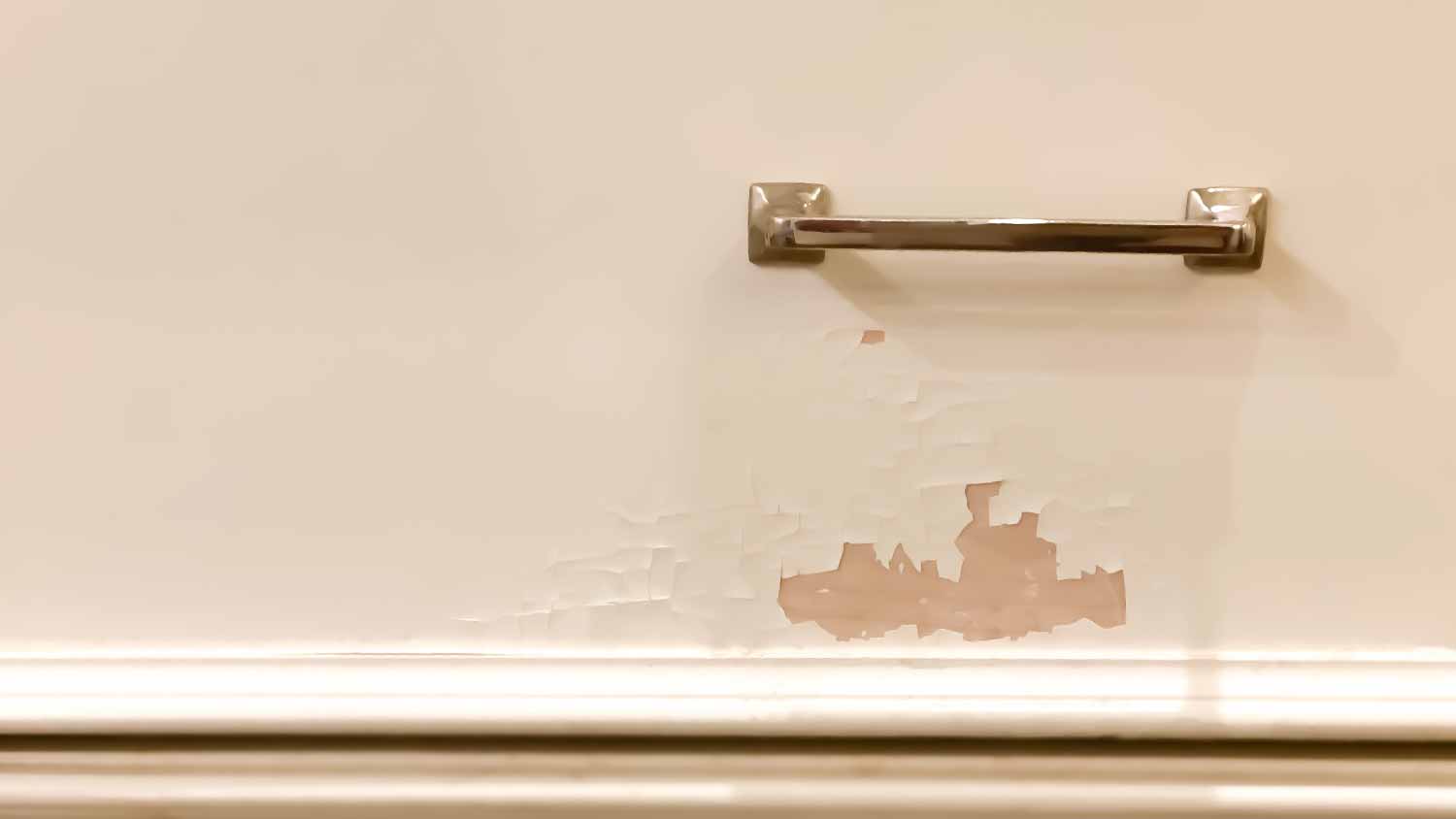
Professional lead removal involves identifying and safely removing or encapsulating lead-based paints and materials, using specialized equipment, and following strict safety procedures to minimize exposure and contamination.

You should ask a few questions to ensure that your potential lead removal professional is experienced and qualified to handle lead-paint abatement safely, legally, and properly.

  • What are your qualifications and experience removing lead-based paint?

  • Are you licensed and certified to remove lead-based paint?

  • How do you test for lead paint?

  • What methods do you use for lead-based paint abatement?

  • What do you plan to do with the hazardous material when you remove it from the home?

  • Do you do replacement and painting work or removal only?

Avoid disturbing suspected lead-containing materials and follow professional guidance on sample collection.

Government regulations such as the EPA and OSHA govern lead removal procedures to ensure health and environmental safety during and after abatement.

According to the Environmental Protection Agency (EPA), hazardous waste is generally classified into four main categories:

1. Characteristic Wastes: These exhibit at least one of four hazardous traits: ignitability (flammable, like gasoline), corrosivity (can rust or decompose materials, like car batteries), reactivity (unstable and can explode, like aerosol cans), or toxicity (harmful when ingested, like lead-based paint).

2. Listed Wastes: These are specific wastes from manufacturing and industrial processes that the EPA has officially designated as hazardous. They include byproducts from processes that use solvents, pesticides, and other chemicals.

3. Universal Wastes: These are commonly generated hazardous items that are subject to streamlined regulations. Examples include batteries, pesticides, mercury-containing equipment (e.g., bulbs), and some lamps.

4. Mixed Wastes: This category includes waste that contains both hazardous and radioactive components, making it subject to regulation by both the EPA and the Nuclear Regulatory Commission.
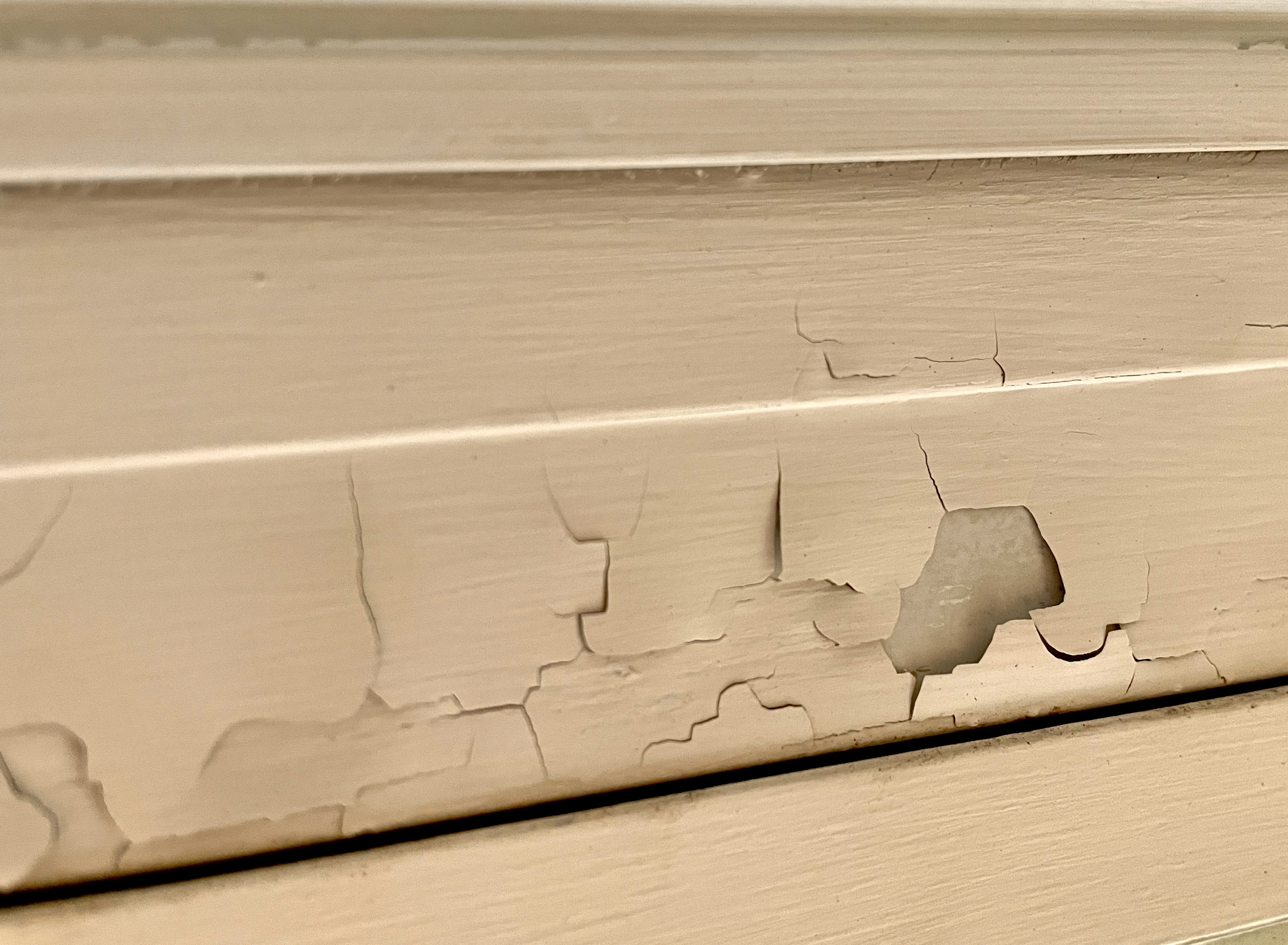

The Freedom, NH homeowners’ guide to lead testing and removal services

From average costs to expert advice, get all the answers you need to get your job done.