








Top-rated bird control service pros.

Get matched with top bird control service pros in Freedom, NH

Enter your zip and get matched with up to 5 pros

Need a pro for your bird control service project in Freedom, NH?

Select your specific project to find the pro for you.

TRUSTED BY FREEDOM, NH HOMEOWNERS

  • Average homeowner rating star icon4.1
    Average homeowner rating
  • Verified reviews icon20
    Verified bird control services reviews

Find Bird control service pros in Freedom

Avatar for J PAUL AND SONS WILDLIFE CONTROL LLC
J PAUL AND SONS WILDLIFE CONTROL LLC
5.0(
19
)
Pest Control - Birds and BatsPest Control - Birds and Bats - For Business

Serving Freedom, NH and surrounding areas

Approved

Super Service Award Winner

In business since 2025

Free estimates

Emergency services offered

"Jordan was amazing! He was so friendly and knowledgeable, and answered all my questions. He obviously enjoys what he does. Great communication and he was on time. He found the entry hole, made sure the critter was gone, and sealed it up immediately, which was no easy task because it was under my deck with maybe one foot of clearance. The cost was so much less than I expected. I highly recommend J Paul and Sons! ⭐️⭐️⭐️⭐️⭐️"
Response time1 day
1 neighbors recently requested a quote
DeBow Wildlife Service
New to Angi
Pest Control - Birds and BatsPest Control - Birds and Bats - For Business

Serving Freedom, NH and surrounding areas

In business since 1996

Free estimates

Warranties offered

DeBow Wildlife Service provides a service of removing nuisance wildlife from commercial and residential properties. We have over 15 years of experience diagnosing and presenting long-term solutions for your wildlife problems. We specialize in the removal of squrriels, bats, beavers, skunks, raccoons. Our staff is professional and courteous to your needs. Call today for your free estimate!

Bird Control questions, answered by experts

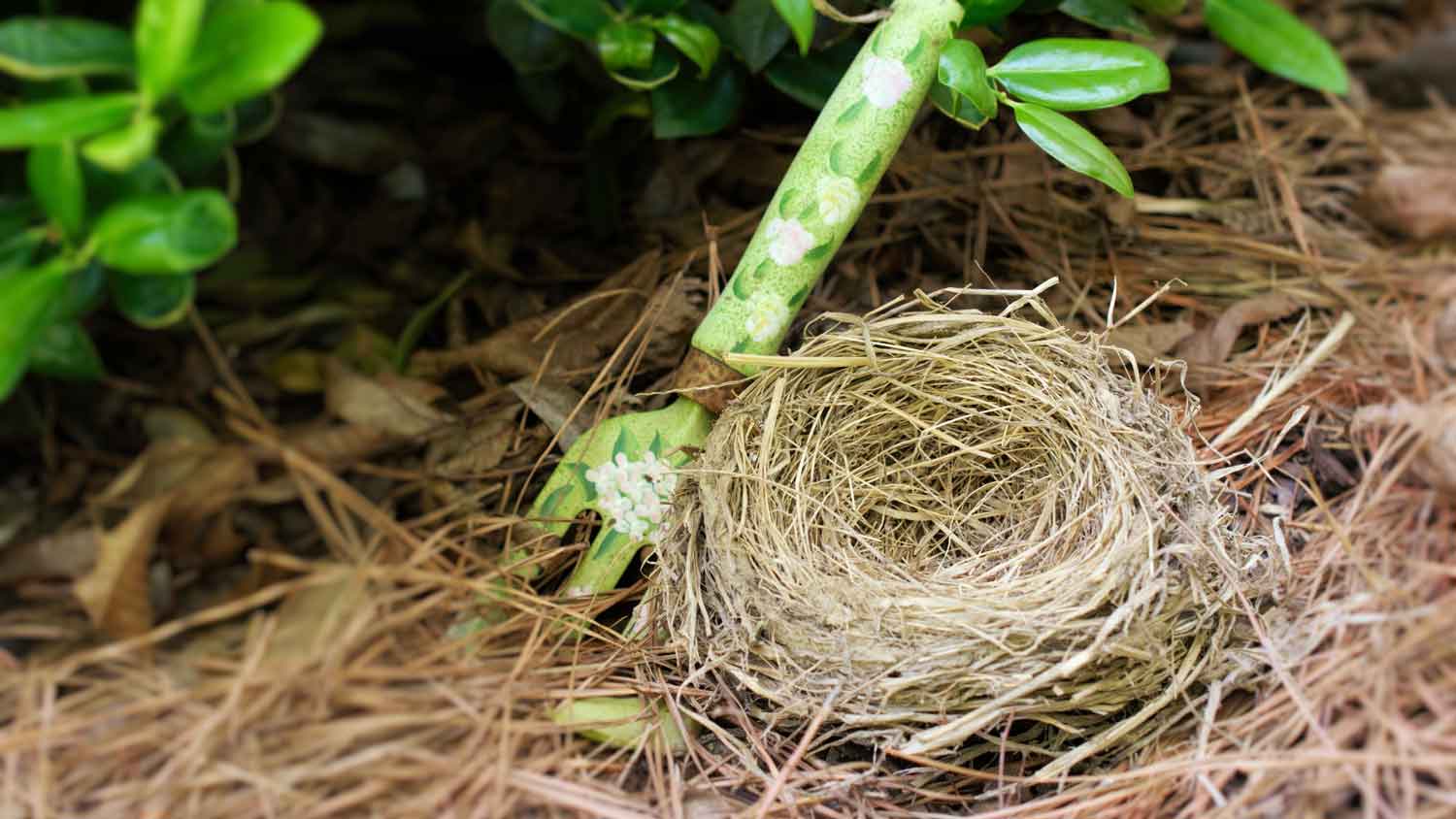
Once the animals and their young are out of the house, remove the nest and locate any entry points. Some may be difficult to find because some animals can fit through very small holes. Once you’ve located as many entry points as possible, use materials such as metal or masonry to block off the entry. Ideally, you should choose materials that most animals cannot chew through. Create a one-way door or flap to allow animals to leave but not return. Additional methods include using repellants designed to make an area unappealing to the types of animals that find your home so inviting. 

It's advisable to avoid using harmful methods to eliminate birds. Poisoning birds is inhumane and can have unintended ecological consequences, affecting other wildlife and pets. Similarly, using firearms or other lethal means poses safety risks and could be illegal in many areas. Sticky substances like adhesives can cause birds to become trapped and injured. Lastly, playing excessively loud or distressing noises can stress birds and humans. Focusing on humane and environmentally responsible strategies is essential when dealing with bird issues.

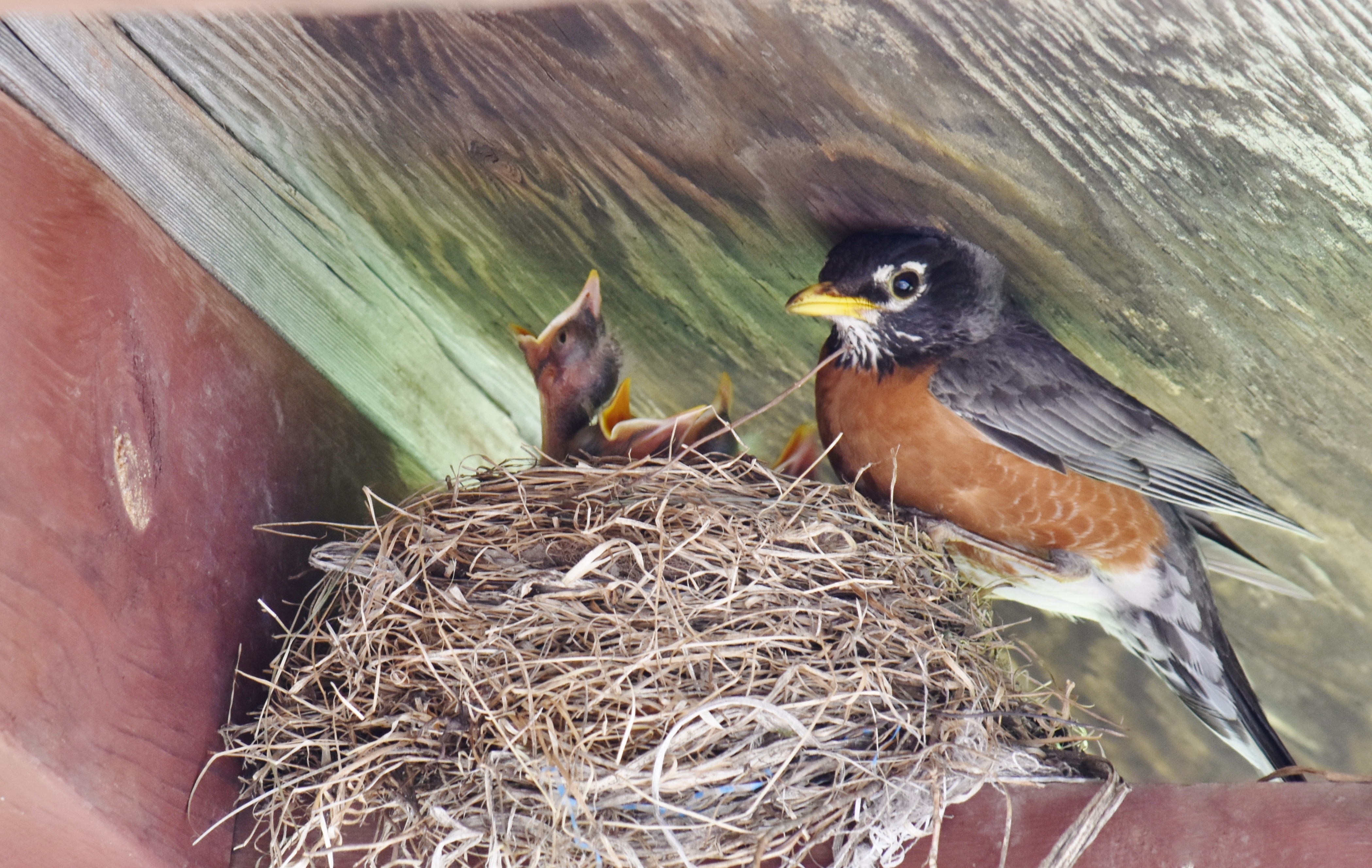
In most cases, a mother bird will return to a disturbed nest after the disturbance has passed. However, it can be hard for a mother bird to find a relocated nest. So, while it’s false that a mother bird will abandon her nest if it’s been disturbed, it’s not a good idea to relocate a nest with live babies or eggs in it.

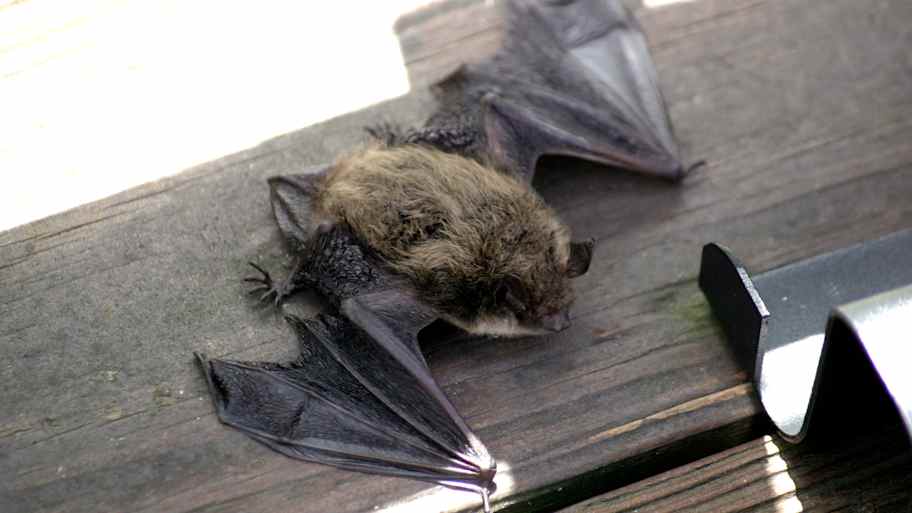
Finding a dead bat in your home can be frightening, even during spooky season. The United States Department of Interior states that if you find a dead bat, take these steps:

  • Contact your state wildlife agency to report the finding

  • Photograph the bat safely to help the wildlife agency determine the species

  • Use disposable gloves to place the bat into a plastic bag, making sure to spray with disinfectant and close the bag securely 

  • Thoroughly clean your hands and any clothing that came into contact with the bat

If you see one dead bat, you might have a large bat infestation that needs to be treated immediately. Call a local pest control company to properly inspect your home for other bats.

When woodpeckers start banging on your walls or roof, they are probably looking for insects to eat, storing nuts for winter, drilling a hole to make a nest, or communicating with other birds to establish territory or find a mate.

The size of the hole can help determine the reason for the pecking. Small irregular holes are a result of insect hunts. Acorn holes are more consistently sized and often fitted with a nut in the middle. Nest holes are large and have rounded edges. If the bird is pecking to mark its territory or attract a mate, it may leave dents rather than holes, and the noise will stop when the mating season starts in spring.

The Freedom, NH homeowners’ guide to bird control services

From average costs to expert advice, get all the answers you need to get your job done.