



"Jimenez Service responded to my Angi request within an hour. I explained the work to the office administrator. They had availability to do my work the same afternoon. The handyman was very polite, asked good questions, was up front with costs, and performed the work I requested within the same afternoon. He even fixed the hot tub motor, which I had not been sure could be repaired. The charge was as quoted, I payed on the spot, and can now move on with other things. I couldn’t be happier with this crew."

"The salesman and the contractor were awesome! Very good price, excellent timing and my system was installed in one day and done precisely and accurately! Best choice I’ve made!"
Central Vacuum Systems questions, answered by experts
Yes, installing a central vacuum system typically adds value to your home. The ease of use, longevity, and superior suction power of a central vacuum system can add up to $2,000 to your home’s value if you decide to sell. Potential buyers may consider the central vacuum a perk to purchasing your home.
The disadvantages associated with central vacuums start with cost. They are expensive to install, especially in existing homes, as retrofitting requires opening walls. The system's bulky hoses can also be inconvenient to maneuver and store compared to portable vacuums. Additionally, repairs may need professional service, adding to maintenance costs. Lastly, while powerful, they may be overkill for smaller homes or apartments, making the investment less practical for some households.
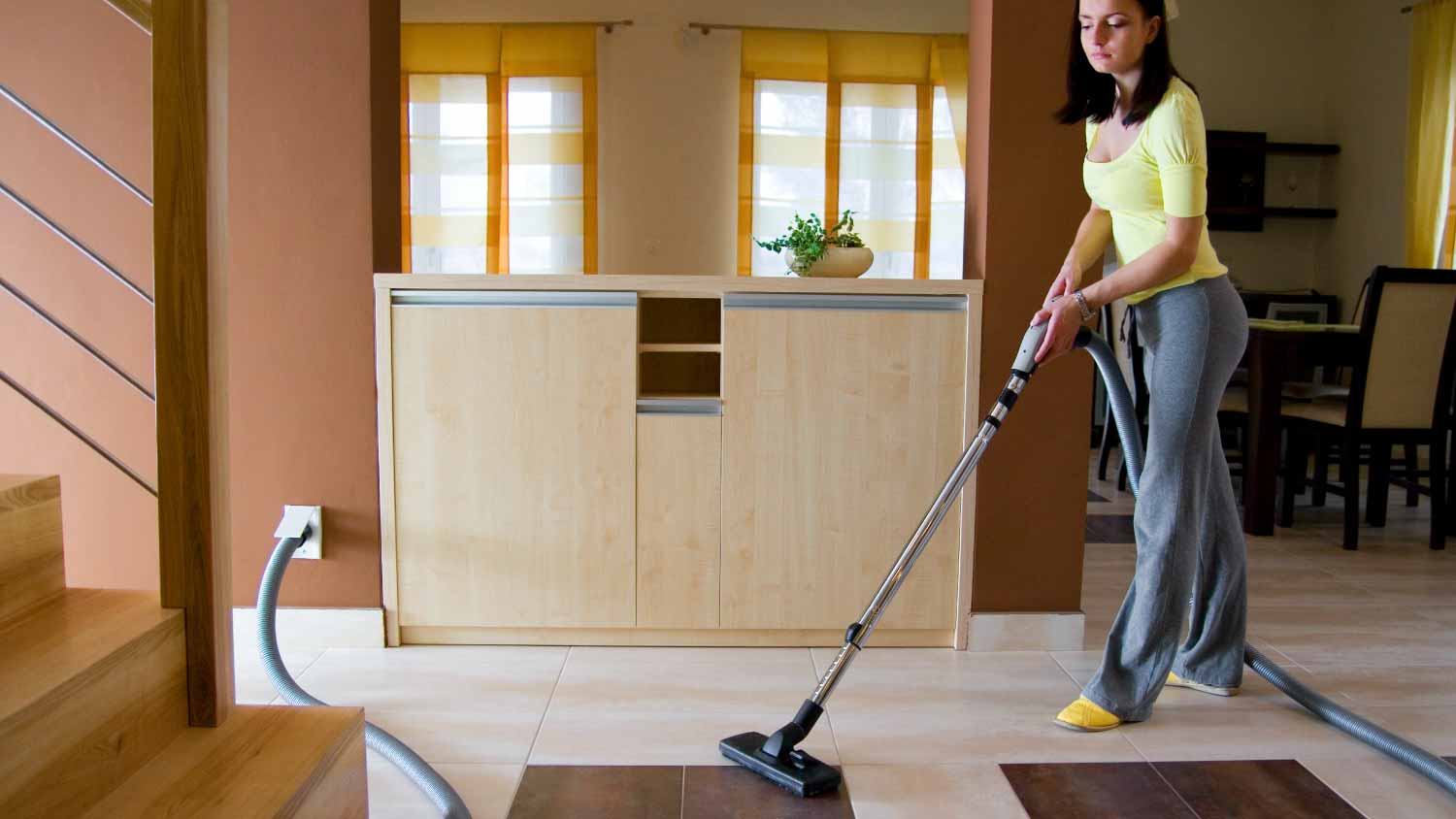
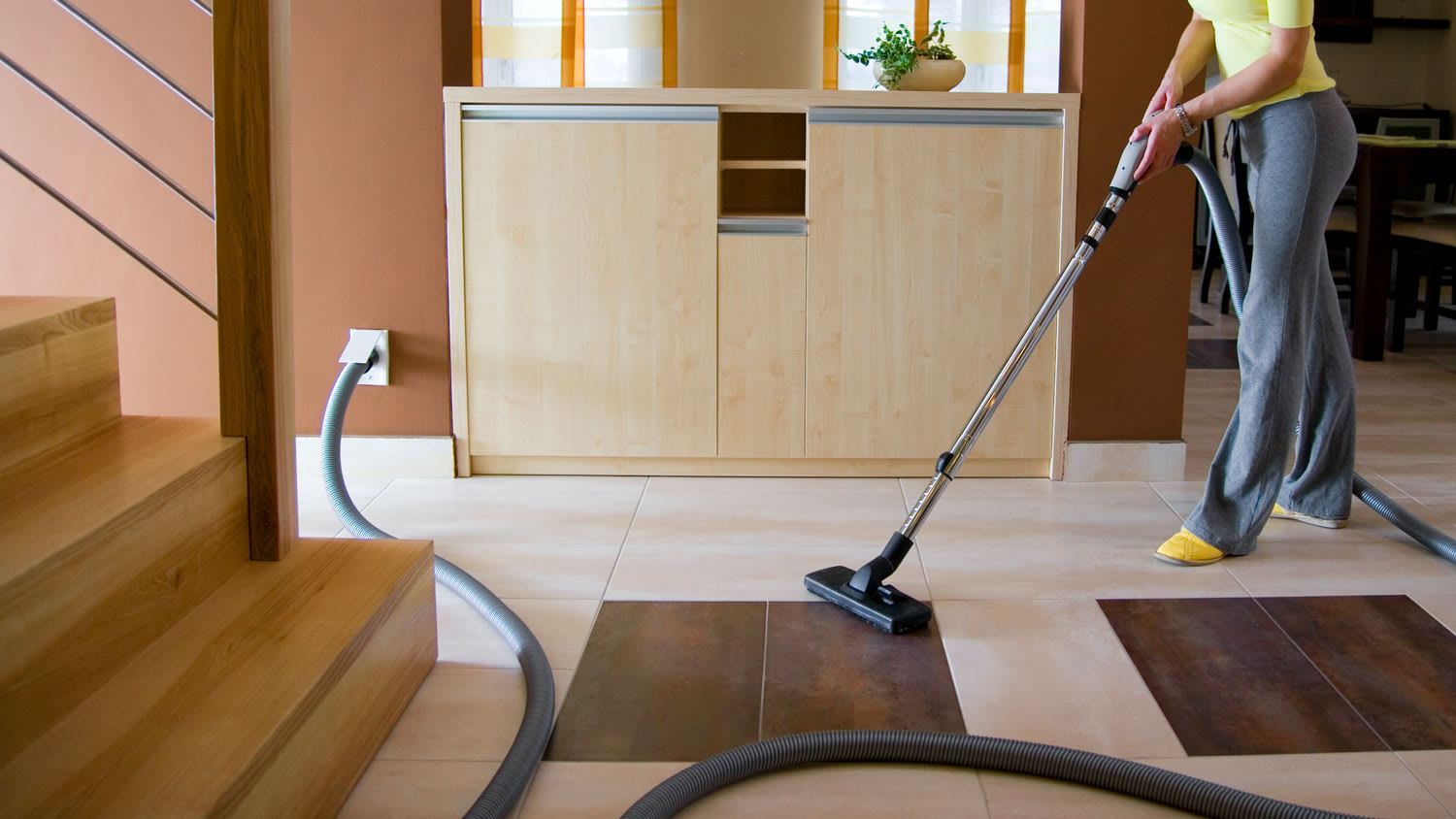
A central vacuum system can be a worthwhile investment depending on your needs and budget. While the upfront cost is higher than a traditional vacuum cleaner, it offers significant long-term benefits. These systems can save you time and make cleaning your home easier, as you only need to carry the hose and vacuum head, eliminating the need to lug a heavy unit up and down stairs. They also tend to operate more quietly and can improve indoor air quality. The convenience and performance over many years may make it a valuable addition to your home if you can budget for the initial installation.
Before deciding whether or not to install a central vacuum system, consider the pros and cons to determine if it’s right for you.
Pros
Increased suction power
Improved air quality
Reduced noise pollution
Longer lifespan than traditional self-contained vacuum units
Cons
Higher upfront installation costs
Expensive repairs
Requires significant storage space
Common repairs for central vacuum cleaners include motor repair, electrical repair, and blocked filters. Central vacuum motor issues typically come with a burning smell and loss of suction. With these issues, you might need simple lubrication to keep it running smoothly, or for more extreme problems, you could need a motor replacement.
Electrical problems or losing suction strength, might be reasons to swap out electrical components for new ones. However, a local central vacuum repair professional can tell you the best plan of action for your system.
The Wilber, NE homeowners’ guide to central vacuum system services
From average costs to expert advice, get all the answers you need to get your job done.
Get transparent information on central vacuum repair costs. Learn what impacts price, compare repair types, and see how to save on your central vacuum repair.
What is a central vacuum system? It can enhance your cleaning efficiency with ease—but is it right for your home? Learn pros, cons, installation costs, and more to make your decision.
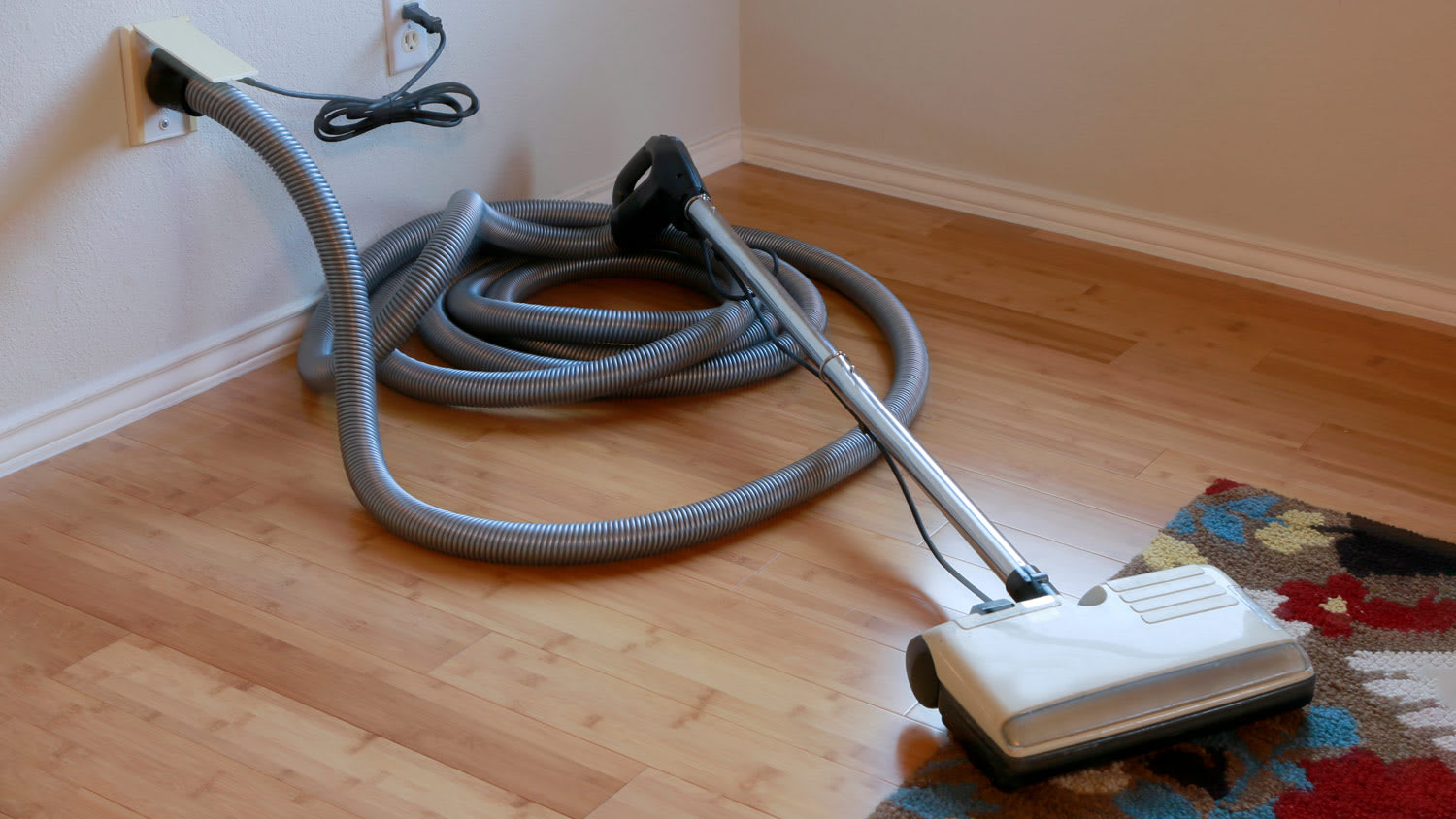
A central vacuum system is a strong, durable, and effective alternative to traditional vacuums. Use this guide to determine whether or not a central vacuum is right for your home.
Find the best central vacuum service repair pro for your home. Learn what questions to ask, qualifications to check, and how to hire a reputable technician.