



Top-rated bird control service pros.

Best bird control service pros near Weeping Water, NE

Enter your zip and get matched with up to 5 pros

Need a pro for your bird control service project in Weeping Water, NE?

Select your specific project to find the pro for you.

Top-Rated Bird control service pros in Weeping Water - Updated Nov 2026

Avatar for Presto-X (St. Louis)
Presto-X (St. Louis)
New to Angi
Pest Control - Birds and Bats

Serving Weeping Water, NE and surrounding areas

Approved

In business since 1932

Free estimates

Warranties offered

Since 1932, Presto-X has been providing expert pest control services guided by the enduring principles of providing world class service to our customers and taking care of our colleagues. Presto-X covers your home or business with expert knowledge, professionally licensed and trained technicians, and exemplary service designed specifically for you.

Borland Wildlife Solutions
5.0(
1
)
Pest Control - Birds and BatsPest Control - Birds and Bats - For Business

Serving Weeping Water, NE and surrounding areas

In business since 2016

Free estimates

Warranties offered

We take great pride in our experience, expertise, quality, and customer service that we provide to meet the consumer's needs. It is our mission to provide excellent workmanship and complete customer satisfaction from start to completion of a project. In order to understand the needs and expectations of our customers, we take great care to work and communicate with every customer in a professional manner. Our reputation is based on service, safety, and quality, regardless of how large or small the job.

Response time12 hrs
Recommended by100%of homeowners
Bird Control FAQs, answered by experts

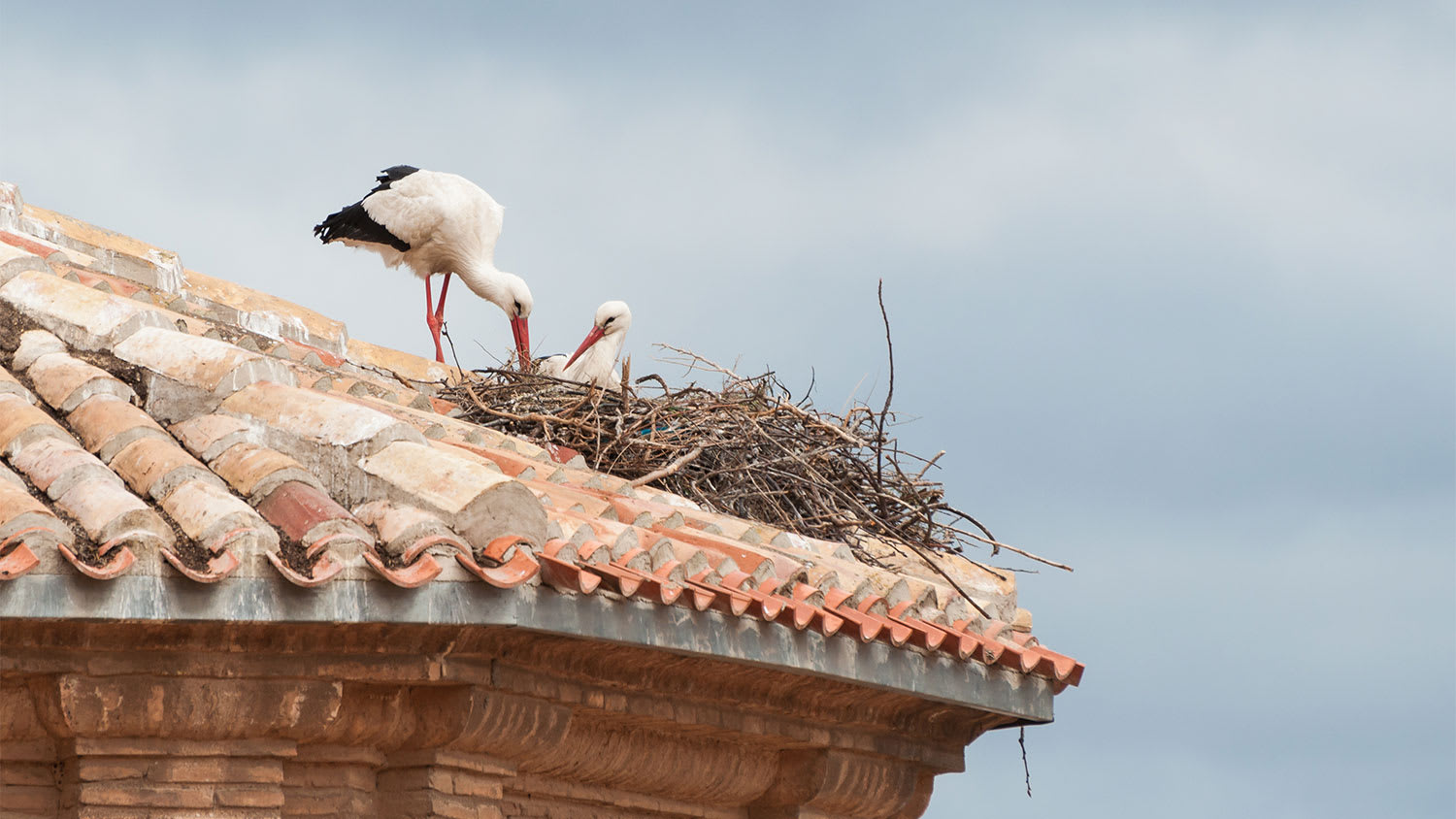
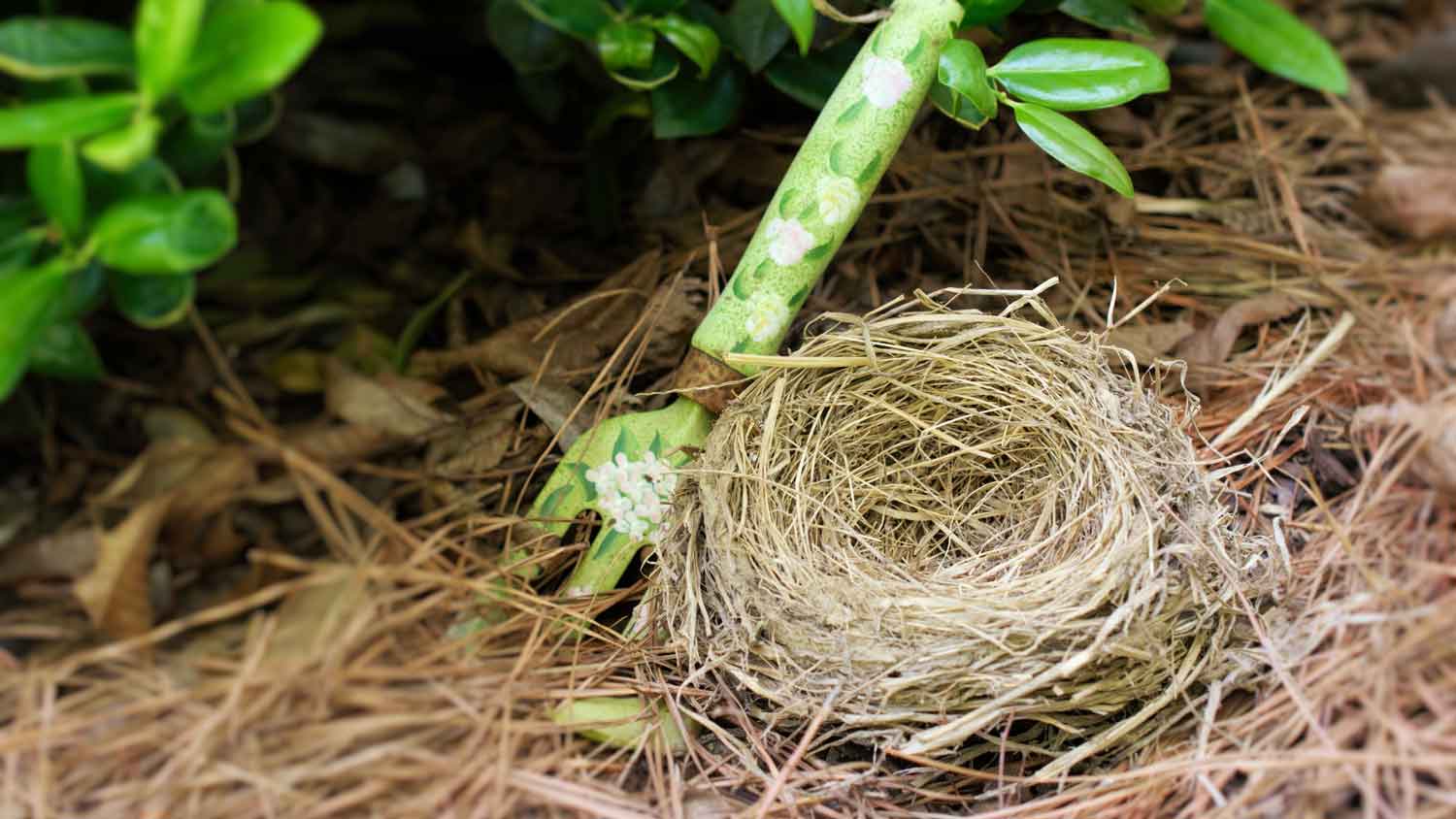
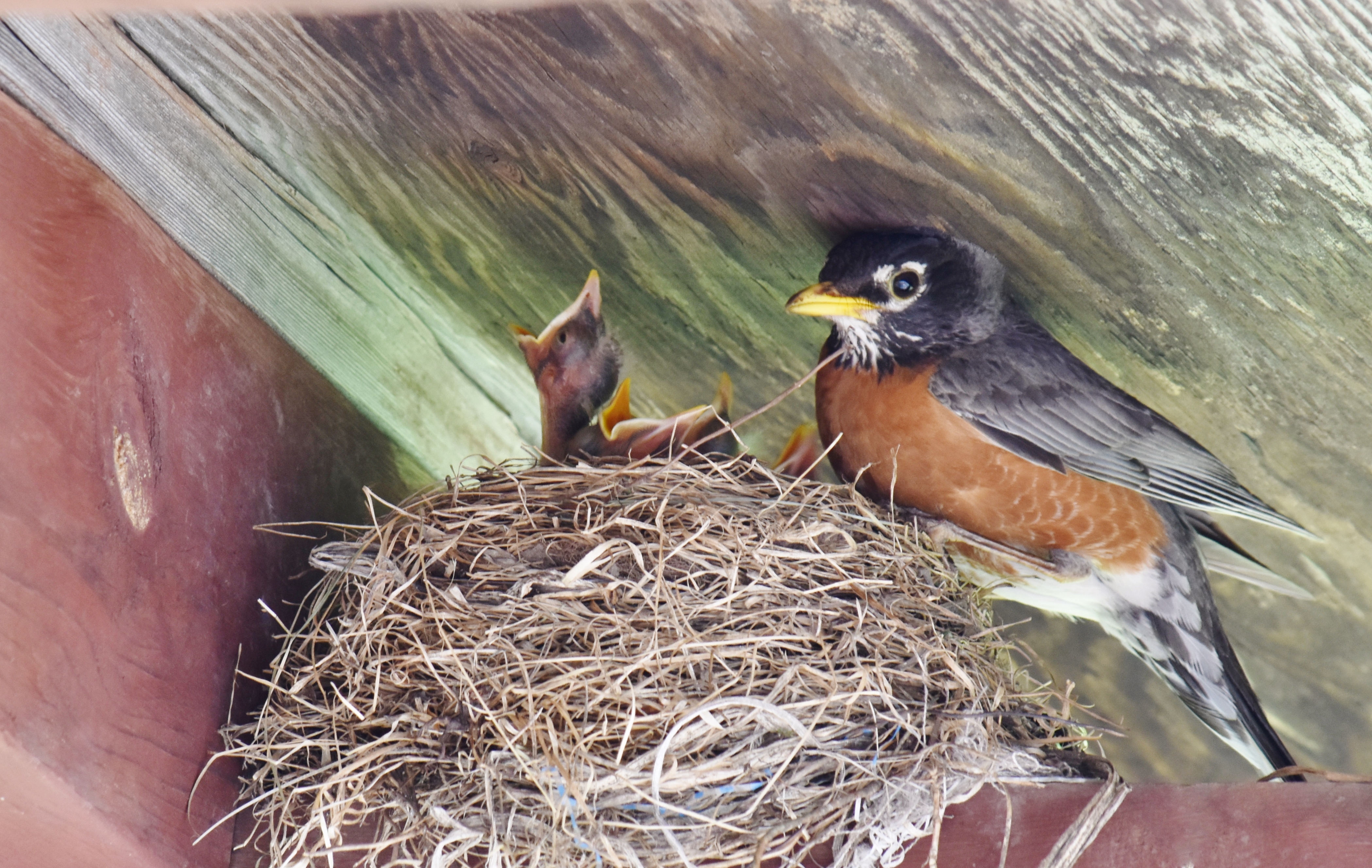
The lifespan of a bird's nest depends on the species. The building process can take from two days to three weeks. Once built, the nesting period for baby birds can last from two to ten weeks before they leave the nest. While most young birds are ready in two to six weeks, some predatory species may need up to two and a half months. Some species nest four to five times per year, so a nest could remain in use for several months. For specific information about a particular nest's longevity, it is best to consult a wildlife professional.

The cost to hire an exterminator or pest control service is $175 on average, with typical costs ranging from $100 to $500. However, you could spend more depending on several factors, including the type of pest, the size and severity of the infestation, and the number of visits required.

Service costs also vary by frequency:

• One-time service: $300–$550

• Initial visit with ongoing service: $150–$300

• Monthly visits: $40–$70

• Quarterly visits: $100–$300

• Annual visits: $300–$550

The type of pest significantly impacts the price. For example, exterminating spiders typically costs between $100 and $300, while a termite problem can range from $230 to $2,500 or more, depending on the extent of the damage. Routine pest control services can help prevent future infestations and costly damage to your home.

It's advisable to avoid using harmful methods to eliminate birds. Poisoning birds is inhumane and can have unintended ecological consequences, affecting other wildlife and pets. Similarly, using firearms or other lethal means poses safety risks and could be illegal in many areas. Sticky substances like adhesives can cause birds to become trapped and injured. Lastly, playing excessively loud or distressing noises can stress birds and humans. Focusing on humane and environmentally responsible strategies is essential when dealing with bird issues.

If you’ve had a prior bat infestation or simply want to avoid having bats invade your home in the first place, there are a few steps you can take without the need for a pro. 

  • Seal entry points, such as where your chimney meets your house, or other gaps or holes exist.

  • Use bat deterrents like bright lights or ultrasonic devices to force them away from your home. 

  • Reduce bat attractions like standing water and bird nectar feeders inviting bats into your yard.

It can be difficult to know what type of animal is in your attic until you see it. But several clues can help you narrow down the suspects:

  • Sounds: Smaller animals like rats and mice make scurrying and tapping/gnawing sounds. Larger animals like raccoons and opossums make louder clambering noises. Also, note when animals are noisy: Squirrels are active during the day, while rats are busiest at night.

  • Droppings: Rats and mice leave small, rice-shaped droppings (the rat’s version is significantly larger). Bigger droppings belong to larger critters like raccoons. As long as you’re not squeamish, an image search can help you identify what you’re seeing in your attic.

When in doubt, take photos of damage or other evidence and show them to an experienced pest control pro.

The Weeping Water, NE homeowners’ guide to bird control services

From average costs to expert advice, get all the answers you need to get your job done.