Top-Rated Percolation testing pros in Trenton - Updated Nov 2026
No results for Percolation testing pro in
Try adjusting your search criteria.
Percolation Tests FAQs, answered by experts
Asbestos was most commonly produced and integrated into building products from the 1920s to the late 1980s. In reality, asbestos use should have ceased much sooner because asbestos was linked to cancer in studies produced as early as the 1950s. You can even extend that number past the 1980s due to stockpiled materials and because some countries treat asbestos use differently. It may also be found more in commercial applications than residential.
Unfortunately, asbestos is not easily identified and can often be hidden in plain sight in your home. While it can look like fluffy fibers, tiny pieces can also appear in materials like plastic or cement, making it impossible to identify on your own properly.
Plus, since asbestos is so dangerous when disturbed, you should never root around to try and find it. This job is best for a professional who can test for the material properly.
No, you do not have to worry about new popcorn ceilings having asbestos. All residential building materials used since the mid-1980s stopped including asbestos, so new popcorn ceilings have no risk of asbestos. You can still create a textured drywall ceiling with a popcorn texture if you like, but new techniques have no risk of adding asbestos.
Many homeowners may never have to test their homes for asbestos. Asbestos particles are only dangerous if they become airborne. If you plan to do construction or notice damage to piping, siding, or drywall, you should hire a specialist to test for asbestos.
If you plan to remodel your home or have any concerns, you should have your home tested for asbestos just to be safe.
While a professional can always help, there are some common plumbing culprits you can check yourself to see if you can find the sewer gas smell. For example, you should check your water traps, sometimes called P-traps and S-traps, which are located under sink, shower, and laundry drains. The wax ring beneath the base of your toilet, which creates a watertight seal with the plumbing, could also have gone bad.
The Trenton, NE homeowners’ guide to percolation testing services
From average costs to expert advice, get all the answers you need to get your job done.
Most building projects and septic installations require soil testing to ensure proper drainage. Learn how much a perc test costs and what affects costs.
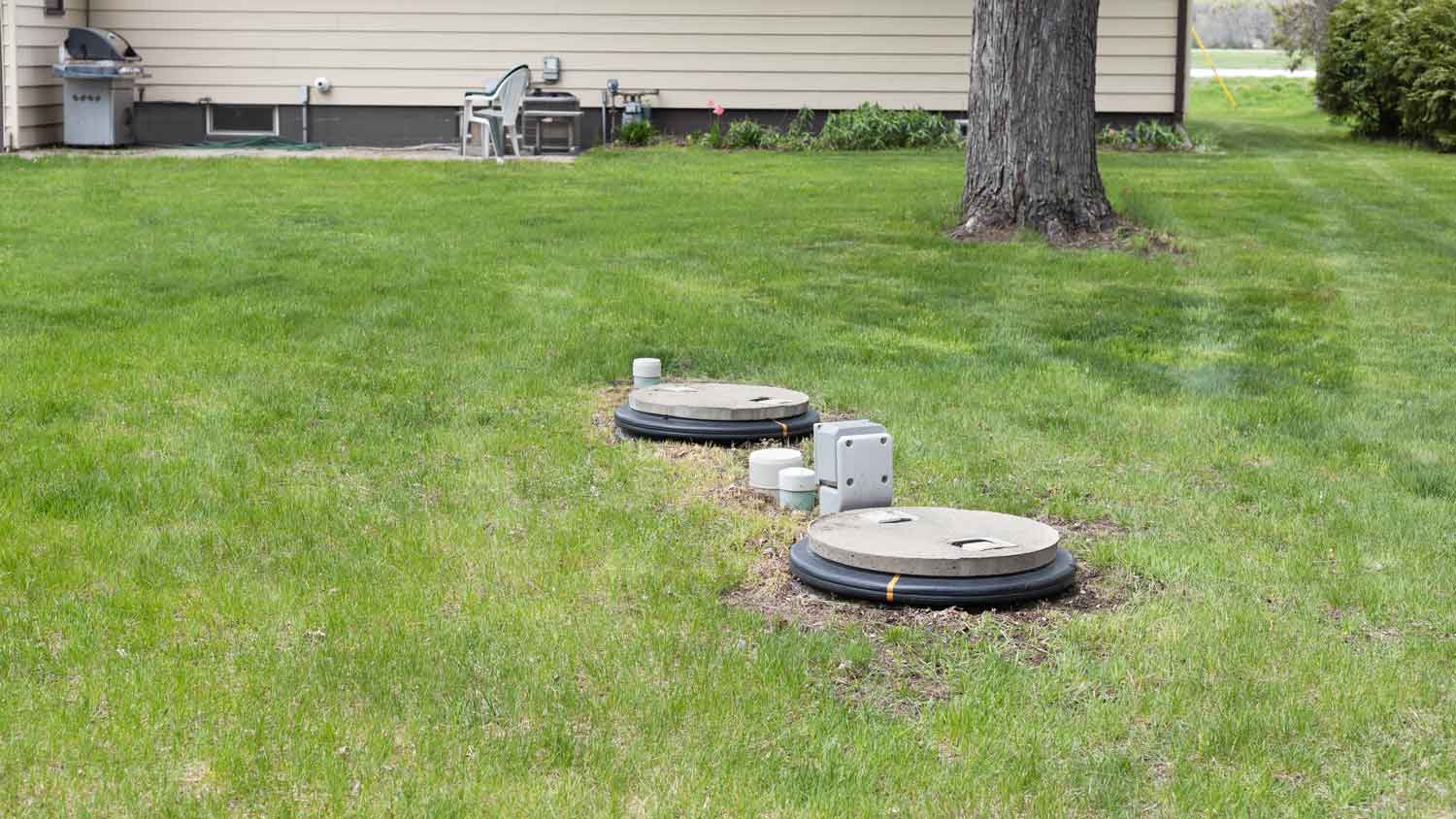
A perc test for septic analyzes the absorption rate of the soil where a tank is going to be installed. Learn more about the test, cost, and passing grades.