


Top-rated sewer cleaners.

Best sewer cleaners near Scottsbluff, NE

Enter your zip and get matched with up to 5 pros

Need a pro for your sewer cleaning project in Scottsbluff, NE?

Select your specific project to find the pro for you.

Top-Rated Sewer cleaners in Scottsbluff - Updated Nov 2026

Sewer Cleaning FAQs, answered by experts

In the majority of cases, homeowners insurance will not cover a main sewer line root clog. The reason is that most insurance companies consider tree root damage to sewer lines as common wear and tear, which is also preventable. However, you may be able to buy optional add-on coverage, such as "service line coverage" or "sewer line endorsements," that would protect against root damage to your sewer line.

Snakes can occasionally enter homes through shower drains, although it’s quite rare. This can happen when they follow sewer pipes or accidentally find their way into plumbing systems. To minimize the risk, consider installing drain covers or stoppers on your shower drains. Always keep drains closed when they’re not in use, especially in areas where snakes are known to be active.

Unlike regular cleanings, snaking your sewer line should be done as needed. There’s no reason to snake your sewer line if you don’t have any noticeable issues, like slow drainage or plugged drains. You can add it to your regular sewer cleaning checklist as a prevention method (on the same 18- to 22-month schedule), but it’s not always necessary. 

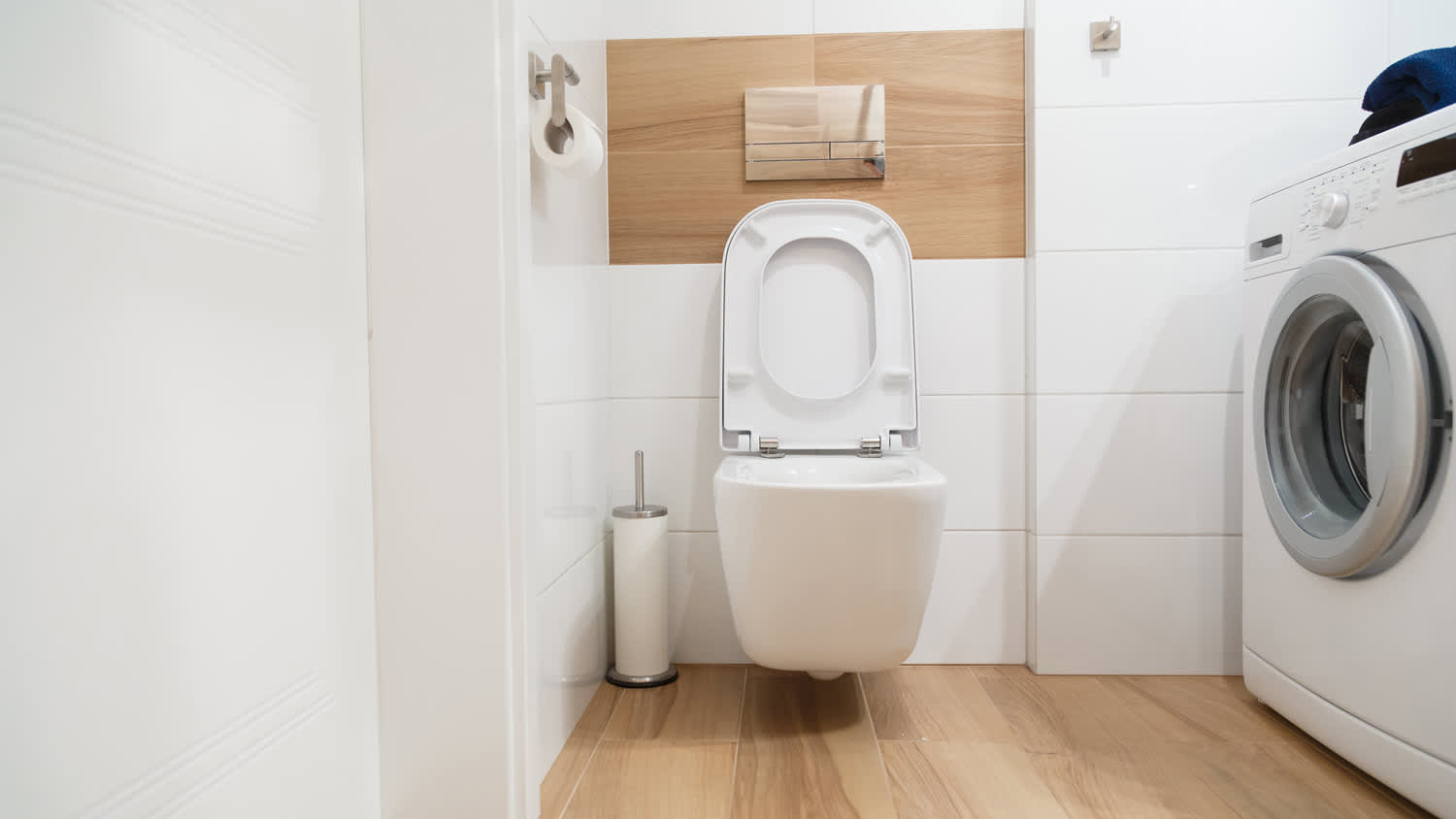
Toilet paper is the only material that you should flush down toilets. Other items like wipes, paper towels, feminine hygiene products, dental floss, and medications should be disposed of in the trash. Flushing these items can lead to plumbing issues and damage to sewage systems. Grease and cooking oils should also be avoided as they can solidify in pipes, causing blockages. Proper disposal helps prevent clogs and ensures the efficient operation of wastewater treatment systems while protecting the environment.

Depending on the home, wastewater either goes into a septic tank and seeps back into the backyard or is sent via sewer system to a local sewage-treatment plant. Septic systems naturally separate different components of the waste so that it can naturally and safely disperse it. They are usually reserved for homes not served by a municipal sewage department (like rural homes). A treatment plant, on the other hand, speeds up that process through screening and purification.

The Scottsbluff, NE homeowners’ guide to sewer cleaning services

From average costs to expert advice, get all the answers you need to get your job done.