
"Choice responded quickly but the insurance plan does not pay for all doors to be re-keyed unless you have very few locks. The number of locks covered by the insurance is determined by keyholes, not doors! (Read your policy!) You will likely have to shell out some money to have this essential new-home service if you have more than four keyholes. The locksmith they called was EXCELLENT and made all our locks completely functional. We will happily hire the locksmith again (R.L Locksmith LLC). We paid $201.81 (plus another $50 for some door re-alignment not included in the re-keying benefit) and Choice paid $100 for the job."
Many local hardware stores have the equipment to copy basic keys at a low cost. Some locations may have freestanding machines where you can pick out a blank and insert it and your original key into the duplicating machine.
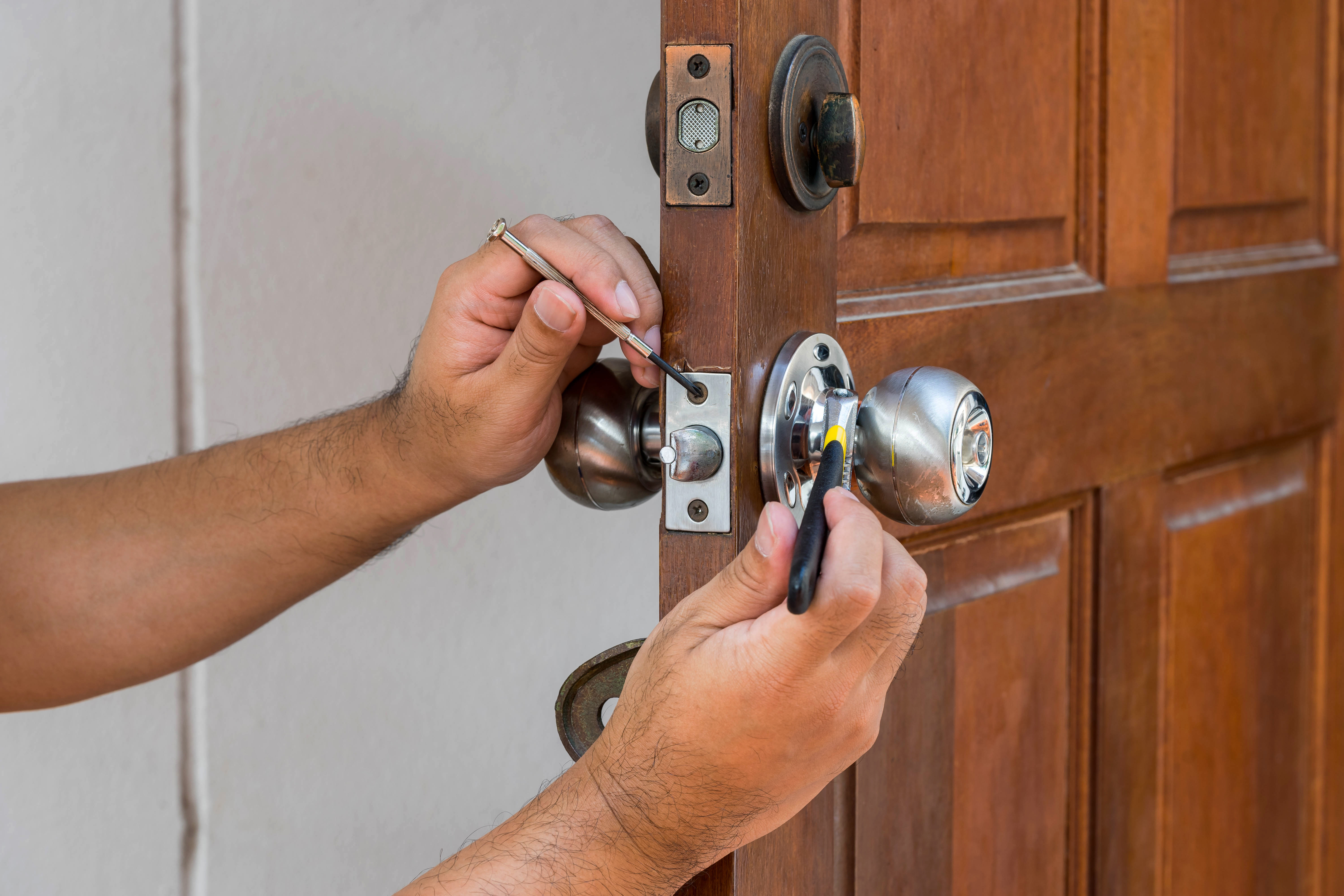
Rekeying a lock changes the internal mechanism so that a new key works, while replacing a lock involves swapping out the entire hardware. Rekeying is a good, cost-effective option when you want to ensure old keys no longer work, such as after moving into a new home or losing a key. It's also ideal if you want to keep your existing lock hardware. You should opt to replace the locks entirely if you want to upgrade to a more secure or different style of lock, if the current lock is old or damaged, after a break-in, or if too many copies of the old key exist.
Yes, as long as it’s thick enough for the deadbolt. Most interior hollow core doors are at least 1 1/2-inches thick, which is usually the minimum requirement for a deadbolt. You’ll want to find the lock block first before installing. Also, most hollow doors require additional reinforcement for locks, such as a reinforcement plate or plywood block.
In general, keyless door locks are considered safe, and their security depends on the type and quality of the lock. They cannot be picked like a traditional lock and often include added features like biometric access, PIN codes, and smartphone connectivity, which can make them more secure. However, they are not without risks. Potential vulnerabilities include hacking for Wi-Fi-connected models, battery failure, power outages, and technical malfunctions. To maximize security, it is important to choose a reliable brand, stay on top of software updates, and perform regular maintenance. While the risks are different, keyless locks are not considered more dangerous than traditional locks.
Rekeying is typically cheaper than replacing locks. Professional rekeying costs between $40 and $160, sometimes with an additional fee of $15 to $40 per lock. A locksmith's hourly rate averages around $75. If you do it yourself, a rekeying kit can cost as little as $10. In contrast, replacing a lock costs between $130 and $500, with an average of around $315, depending on the hardware and lock type. Rekeying is a simpler process that changes the key for your existing lock without replacing the hardware. It is a good option if you have a quality lock that works well, you've recently moved, you've lost a key, or you need a quick security upgrade. The best choice depends on the condition of your current locks.
The Sargent, NE homeowners’ guide to locksmith services
From average costs to expert advice, get all the answers you need to get your job done.
Wondering how much a locksmith costs? Discover locksmith prices, key cost factors, and tips to save on home lockout, rekeying, and installation services.
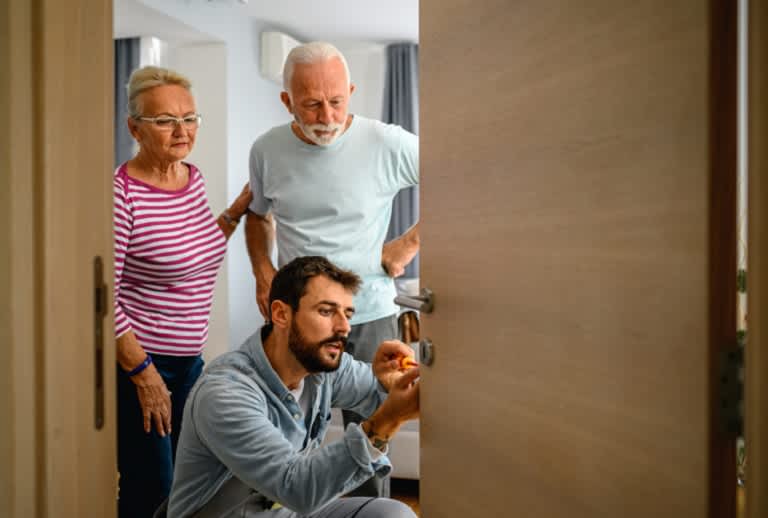
No one wants to get locked out, and locksmith scams make the situation even more unpleasant. You can find legitimate locksmiths by checking things like their phone number, car, and prices. Find out how to pick reputable locksmith companies here.
Getting locked out of your house can be frustrating. Don’t panic, though; you have options if you’re stuck outside your home (even if you don’t have a spare key handy or a locksmith to call). Find out what to do—and what not to do—here.