Here at Gold De Laux Residential Modifications, we specialize in many types of home improvement. We pride ourselves in doing quality work at a reasonable price. We have the expertise to handle a wide variety of projects with quality workmanship and service.
We're a locally owned and operated company with over 22 years of industry experience. We value honesty and integrity in all aspects of our business. We offer a variety of Home Improvement services that are customizable to each individual project. We specialize in handyman/carpentry work and a variety of related service and repair projects. We pride ourselves on the quality of our work as well as our commitment to outstanding results. We look forward to building lasting relationships with our clients and guarantee your satisfaction!
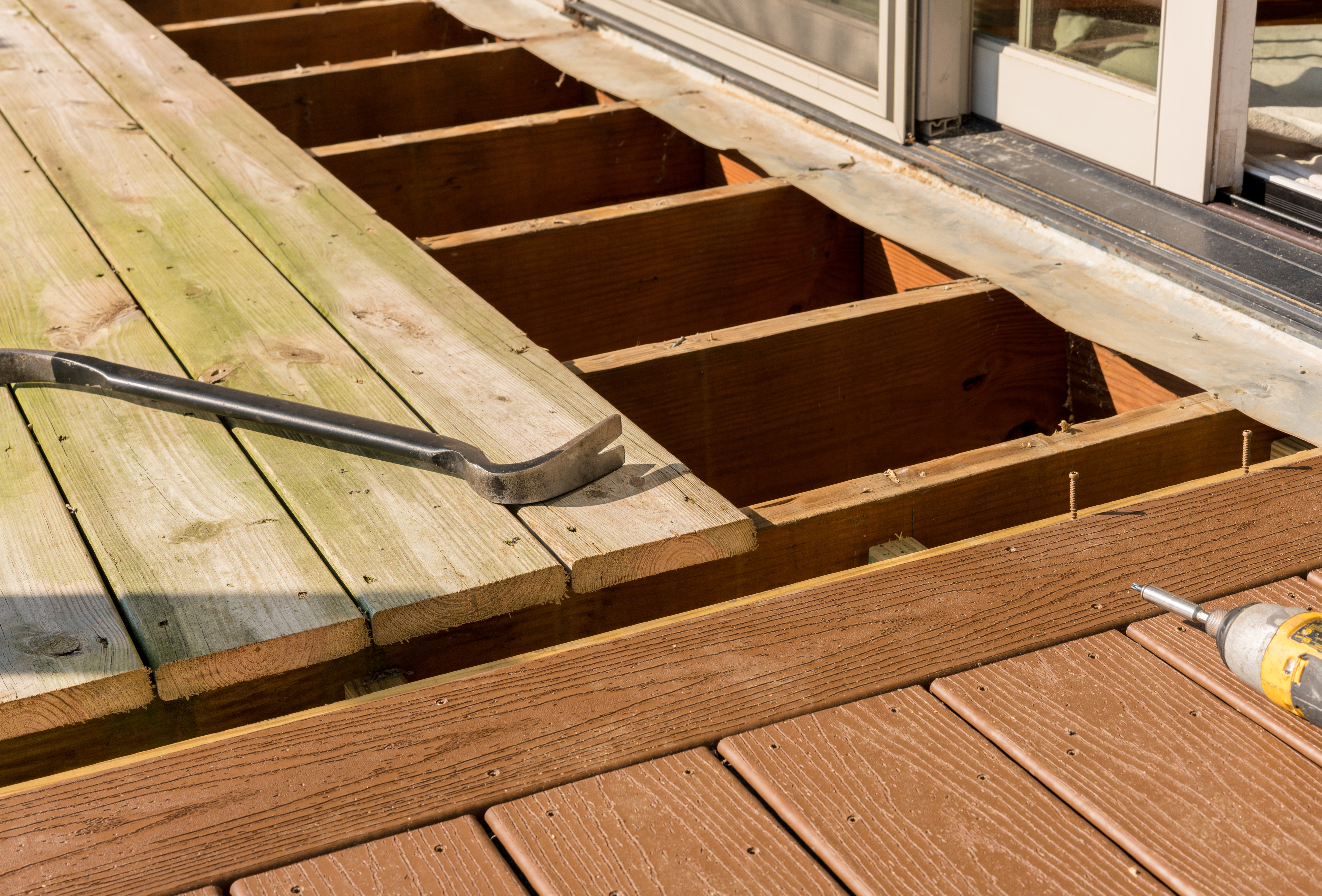
If you have wood decking, there are several common deck problems that you might encounter. For example, your natural wood boards may fade over time due to things like sunlight, weather, and debris. On top of that, some types of wood decking can rot, grow mold, and attract destructive pests—including termites, carpenter ants, and woodpeckers.
As with patios, there are many types of deck choices to choose from to add personalization to your home. Some common deck options include:
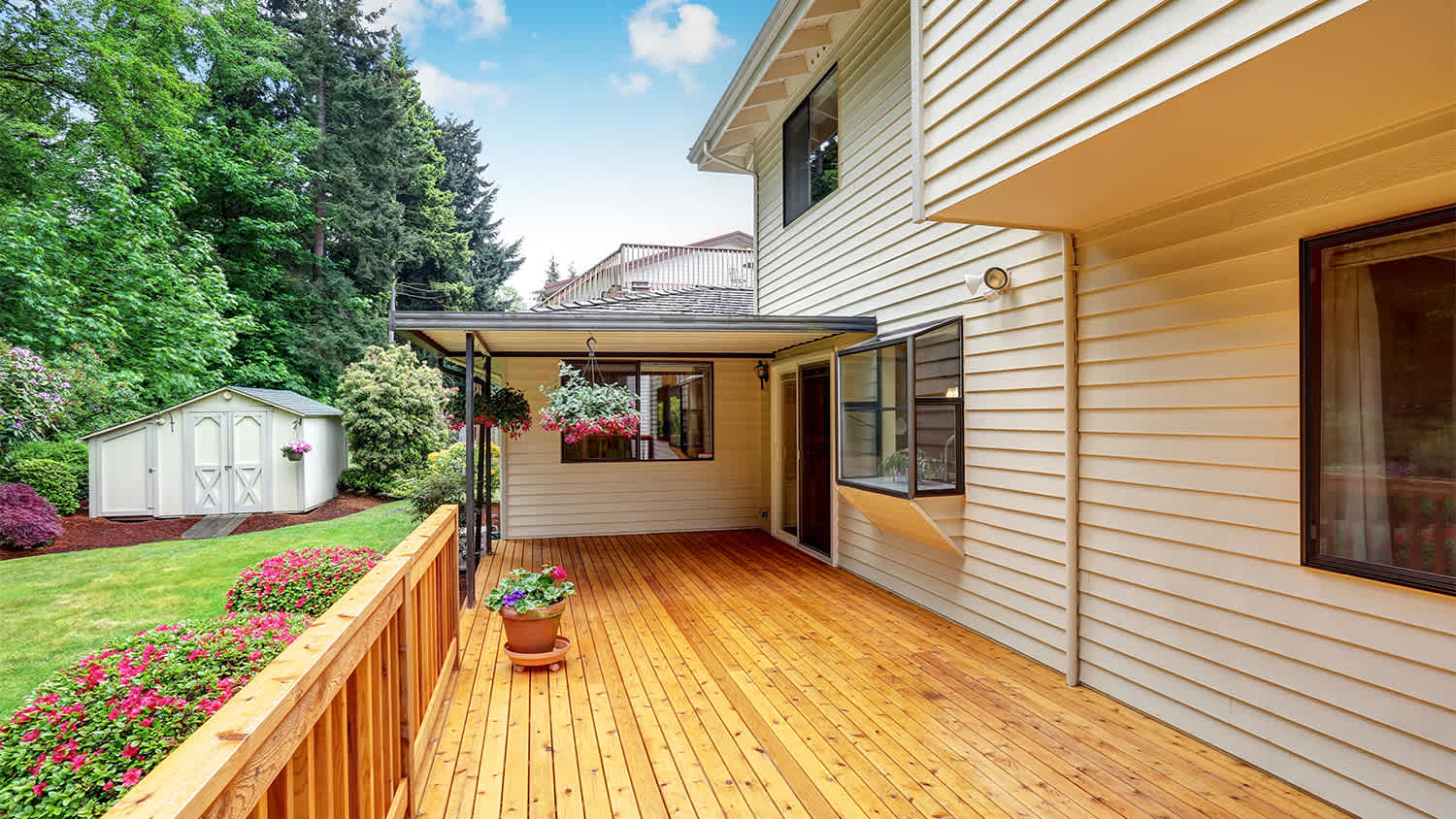
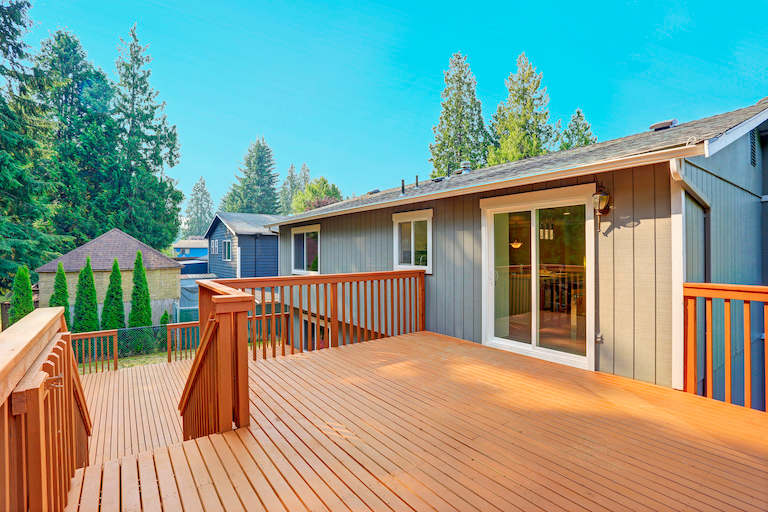
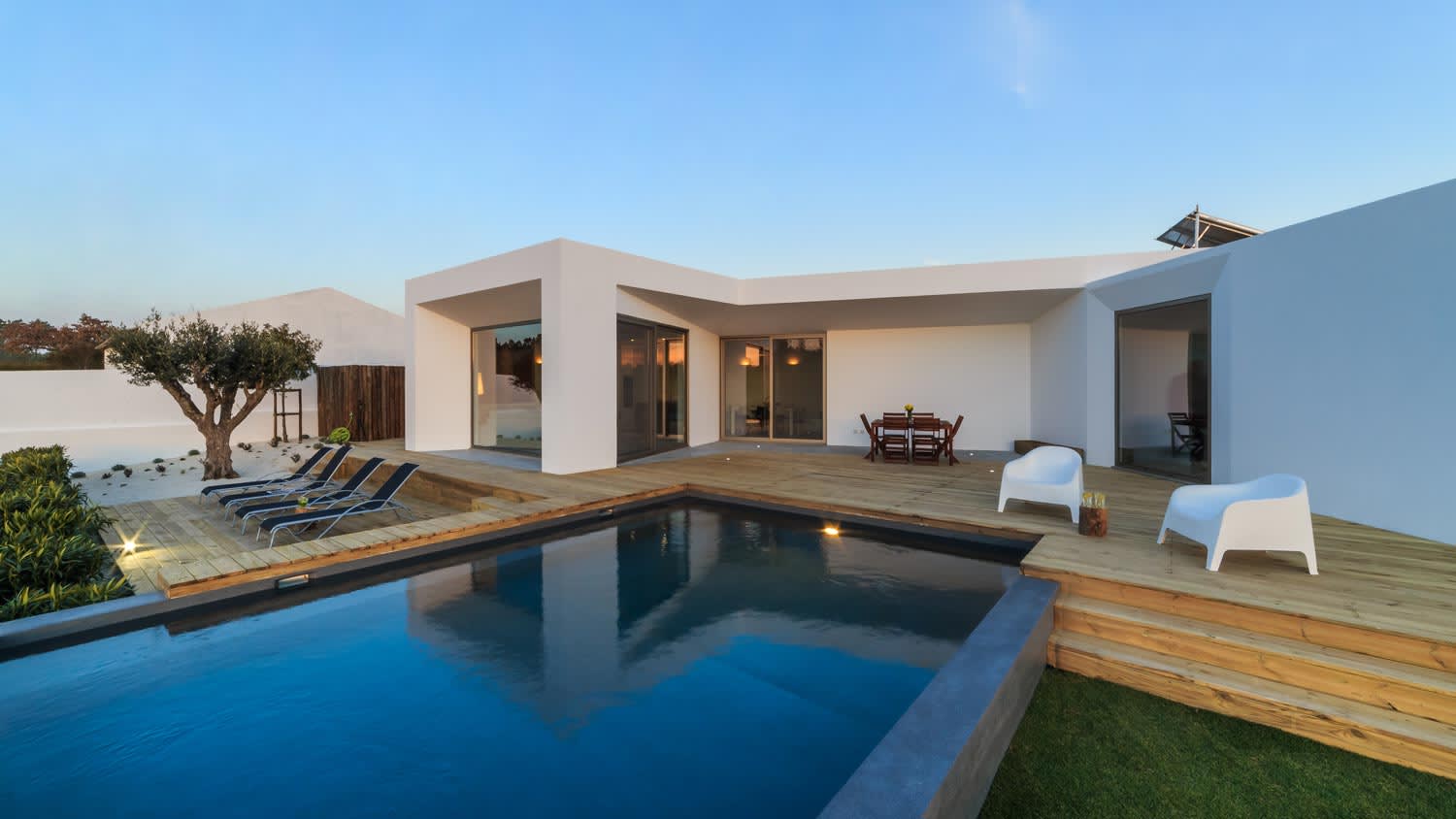
Attached decks are anchored to the home and include simple ground-level options or multi-level structures with stairways and separate landings.
Detached island decks are not attached to the home; they’re a freestanding structure in the yard.
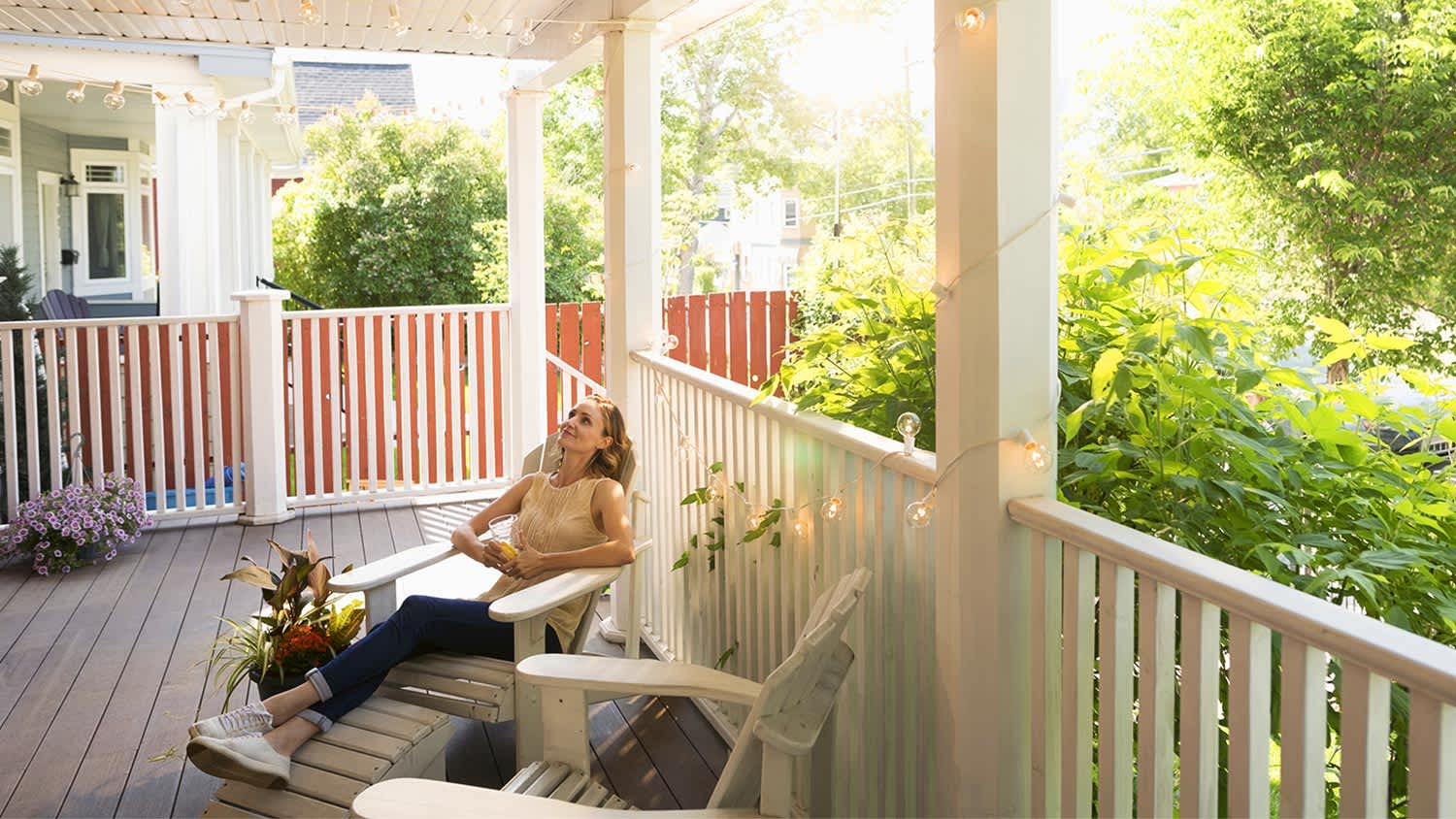
Wraparound decks connect the back of the house with at least one other side and often are built with railings for safety.
Multi-level decks connect your deck through varying levels of elevation, featuring landings that are attached to stairs.
In general, you need a footing at each corner of your deck, and within 8 feet of each other. So, how many you need depends on the size and shape of your deck, plus any local building codes. It also depends on factors like the load capacity of your soil and the weight of your deck. You can find a footing calculator online or contact a pro for support.
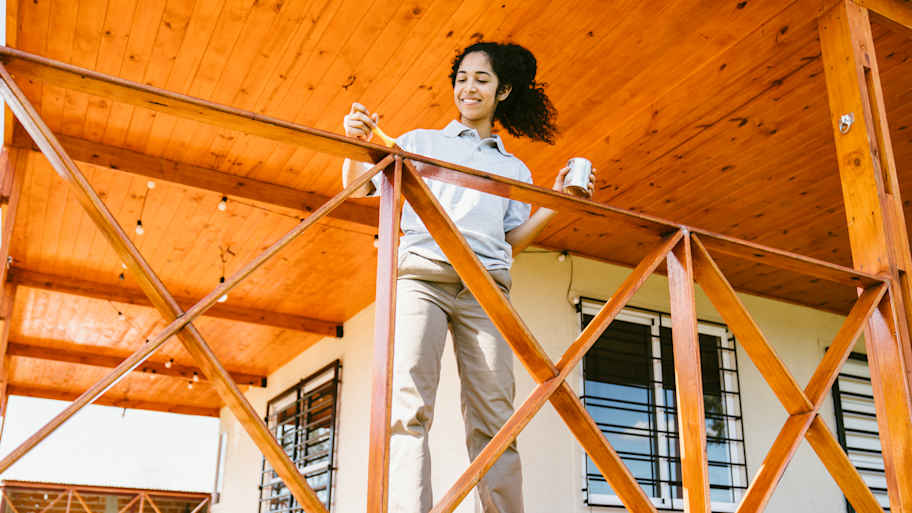
Most building codes require that spindles or balusters on deck and stair railings be spaced no more than four inches apart. This safety standard, often called the '4-inch sphere rule,' is designed to prevent small children or pets from slipping through the railing. A good way to visualize this is that a 4-inch sphere should not be able to pass between two spindles. For the same safety reason, the space between the bottom rail and the deck floor should also be no more than four inches. As a general guideline, professionals often install three balusters per foot of railing. However, since specific requirements can vary by location, it is crucial to check your local building codes to ensure compliance before starting your project.
Pressure-treated decks last 15 to 20 years on average, but with proper maintenance, you could get 40 to 50 years of value from yours. Reseal your deck every one to two years, and replace old or rotted wood as soon as possible to avoid structural damage. Where you live plays a role in the lifespan of your deck. Intense sunlight, rainfall, wind, and hail can reduce the deck’s lifespan.
The Sargent, NE homeowners’ guide to deck repair services
From average costs to expert advice, get all the answers you need to get your job done.
Deck replacement costs depend on materials, any structural damage you need to fix, and more. This guide explores how much it costs to replace or repair a deck.
Refinishing your deck is a great way to restore its appearance and fall in love with your outdoor space. Use this guide to learn how much it costs based on factors like size and type.
Old and run-down porch railings can be an eyesore and pose a risk of falling. Find out how much it costs to replace your worn out porch railings with new materials.
If your deck is in bad shape, this deck repair checklist will help you inspect, clean, maintain, and repair it without missing any vital steps in the process.