
Top-rated asbestos removal specialists.

Best asbestos removal specialists near Laurel, NE

Enter your zip and get matched with up to 5 pros

Need a pro for your asbestos abatement project in Laurel, NE?

Select your specific project to find the pro for you.

Top-Rated Asbestos removal specialists in Laurel - Updated Nov 2026

Avatar for Environmental Services, Inc.
Environmental Services, Inc.
1.0(
1
)
Asbestos - AbatementAsbestos - Testing

Serving Laurel, NE and surrounding areas

In business since 2010

Free estimates

Small jobs welcome

At Environmental Services Inc, we take great pride in our experience, expertise, quality and customer service that we provide to meet the consumer's needs. It is our mission to provide excellent workmanship and complete customer satisfaction from start to completion of a project. In order to understand the needs and expectations of our customers, we take great care to work and communicate with every customer in a professional manner. Our reputation is based on service, safety and quality, regardless of how large or small the job.

Response time2 days
1 neighbors recently requested a quote
Asbestos Removal FAQs, answered by experts

When asbestos fibers become airborne, they enter a person's respiratory system. These fibers scar and damage the lungs and often lead to serious cancers like mesothelioma. Like many dangers in the house, asbestos isn’t easy to see when it could be causing serious damage. The amount of time exposed, combined with the person’s tolerance for asbestos inhalation and the amount inhaled, will all contribute to health problems.

According to the Environmental Protection Agency (EPA), hazardous waste is generally classified into four main categories:

1. Characteristic Wastes: These exhibit at least one of four hazardous traits: ignitability (flammable, like gasoline), corrosivity (can rust or decompose materials, like car batteries), reactivity (unstable and can explode, like aerosol cans), or toxicity (harmful when ingested, like lead-based paint).

2. Listed Wastes: These are specific wastes from manufacturing and industrial processes that the EPA has officially designated as hazardous. They include byproducts from processes that use solvents, pesticides, and other chemicals.

3. Universal Wastes: These are commonly generated hazardous items that are subject to streamlined regulations. Examples include batteries, pesticides, mercury-containing equipment (e.g., bulbs), and some lamps.

4. Mixed Wastes: This category includes waste that contains both hazardous and radioactive components, making it subject to regulation by both the EPA and the Nuclear Regulatory Commission.

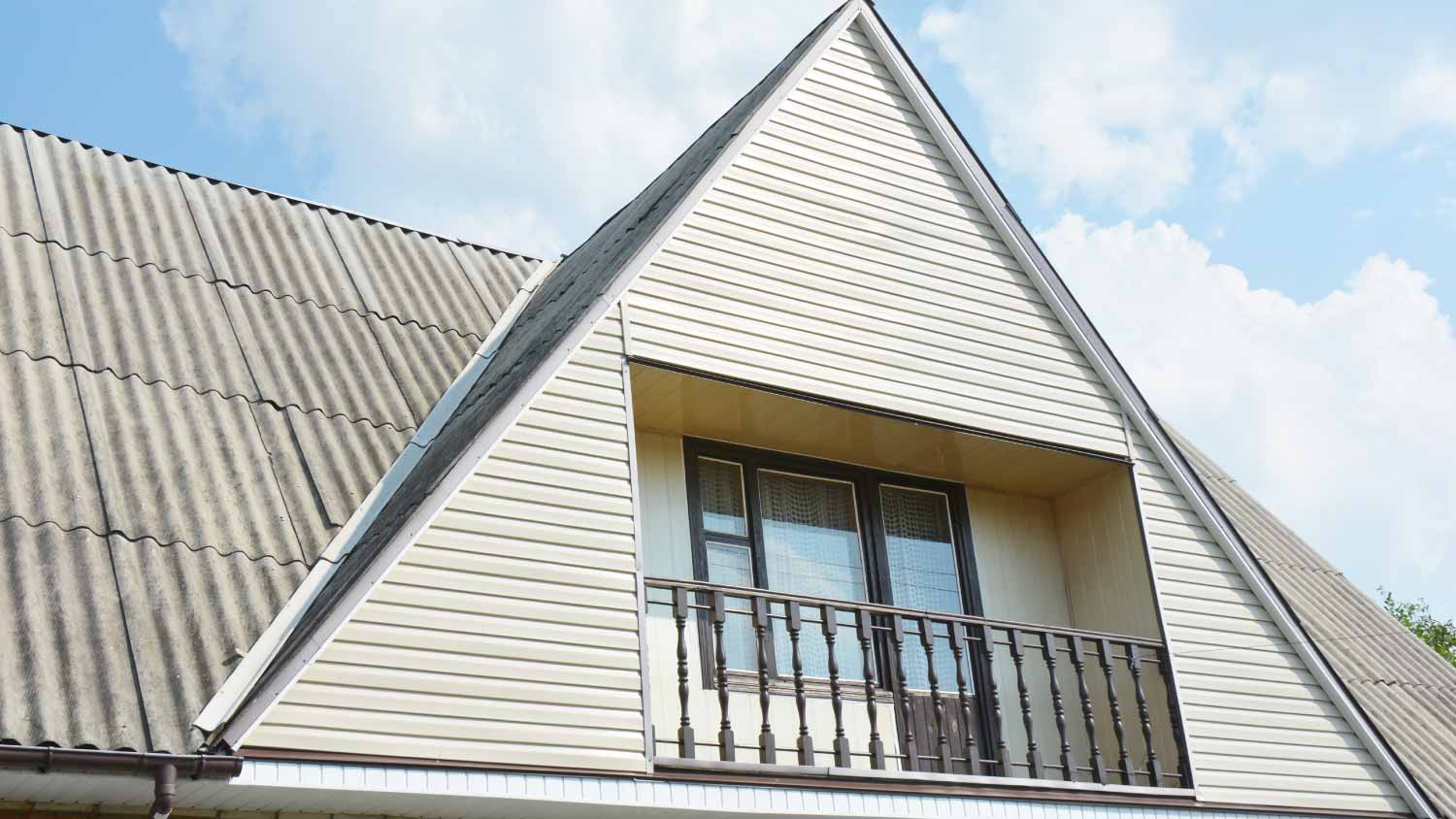
In the 1980s, the use of asbestos in house siding materials underwent a significant decline, ultimately being phased out by the mid-1980s to early 1990s. This change was largely due to a growing awareness of the severe health risks associated with asbestos exposure, particularly its link to lung diseases and cancers. With increased public concern and regulatory agency involvement, building codes and regulations were updated to restrict the use of asbestos in construction materials. 

No, but it’s common that they do. Gravity furnaces weren’t terribly efficient so wrapping either the ductwork in asbestos, the furnace itself, or both, was something done regularly. This allowed the system to retain more heat. At the time, this greatly enhanced the efficiency of the furnaces but it wasn’t until later that we became aware of just how carcinogenic and dangerous asbestos could be.

Currently, there is no federal licensing mandate for asbestos removal contractors. However, certain cities and states require certification and specialized training. For example, in New York, those handling asbestos must receive an Asbestos Handler Certification. The mandates dictating the necessary training or certifications vary based on state and local laws.

The Laurel, NE homeowners’ guide to asbestos removal services

From average costs to expert advice, get all the answers you need to get your job done.