Top-Rated Animal fencing pros in Hershey - Updated Nov 2026
No results for Animal fencing pro in
Try adjusting your search criteria.
Animal Fencing FAQs, answered by experts
Voles are pretty prolific breeders, managing to squeeze in 5 to 10 litters a year, and each litter usually has around 3 to 5 little ones. These furry creatures are flexible with their love lives, as they can breed all year round, though spring and summer are their prime times. If they're living it up in warmer areas, voles don't take a break and keep reproducing non-stop.
Groundhogs usually keep their cool despite being easily spooked. However, there are exceptions—they might get defensive or territorial if they feel threatened or overly concerned. If they sense a threat to their babies, they could get feisty, too. These wild animals are not meant to be kept as pets. If you find babies or an injured groundhog, contact your local animal rescue or wildlife service for guidance.
Fencing is one of the most effective ways to keep deer out of your garden, but there are other ways to keep deer away. You could put together a homemade deer repellent mixture using household items that deer hate. Mix hot sauce, garlic powder, liquid dish soap, and water in a spray bottle and spray it onto your plants. It won’t harm your garden or any animals but it will deter deer from chowing down. You can also plant your garden strategically by creating a perimeter of plants that deer don’t like to eat, herbs like oregano, mint, sage, and thyme.
Deers have an extraordinarily strong sense of smell, which means they can react strongly to certain scents. Lavender, garlic, mint, cinnamon, clove, and human hair are some of the most offensive scents for deer. You can try mixing some of these pungent oils or scents with a spray mixture and adding them to your garden.
When relocating, release a groundhog at least 5 miles from the capture site. This distance helps ensure that the groundhog does not return to your property. Make sure to relocate it to a suitable habitat, such as a wooded area or a place with plenty of ground cover, to increase its chances of survival without disrupting existing wildlife. Additionally, always check local regulations, as relocating wildlife may be restricted or require a permit in some areas.
The Hershey, NE homeowners’ guide to animal fencing services
From average costs to expert advice, get all the answers you need to get your job done.
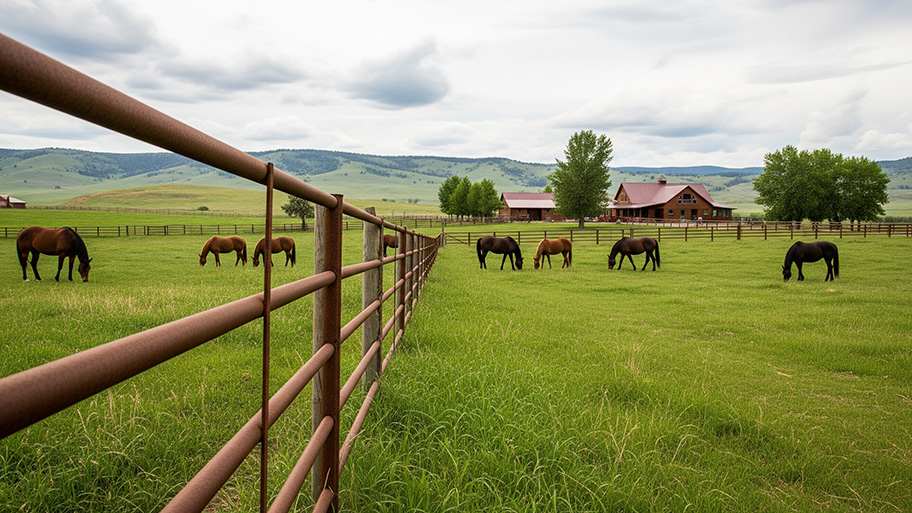
Pipe fencing is an extremely strong, durable option for containing horses and other livestock. This guide breaks down the factors that affect pipe fence cost.