


Top-rated lead testing and removal specialists.

Best lead testing and removal specialists near Fort Calhoun, NE

Enter your zip and get matched with up to 5 pros

Need a pro for your lead testing and removal project in Fort Calhoun, NE?

Select your specific project to find the pro for you.

Top-Rated Lead testing and removal specialists in Fort Calhoun - Updated Nov 2026

Total Construction Services Inc
3.6(
17
)
Toxic Lead - AbatementToxic Lead - Testing

Serving Fort Calhoun, NE and surrounding areas

In business since 1988

Free estimates

Emergency services offered

"After 3 years following a complete roof replacement on 3 structures, I developed leaks on the corners in 6 locations, seemingly a product failure. Total provided Saturday service and ordered the correct color and re-scheduled for install. Their work came with a 5 year warranty, which was easy and no hassle getting done. Their staff remains professional and office staff tries hard to keep us informed through the repair. We have previously met and worked with the owner of Total, Kevin Jackson, truly a man of integrity, hard to find in roofers. It is my pleasure to recommend this company and I have.
"
Recommended by72%of homeowners

Lead Testing and Removal FAQs, answered by experts

You can expect to pay between $200 and $400 for a lead inspection, where your local lead testing pro will scan surfaces and items with an X-ray fluorescent analyzer. Lead risk assessments are slightly different and run around $800 to $2,000. A pro may find lead during an evaluation, and create a removal strategy.

According to the Environmental Protection Agency (EPA), hazardous waste is generally classified into four main categories:

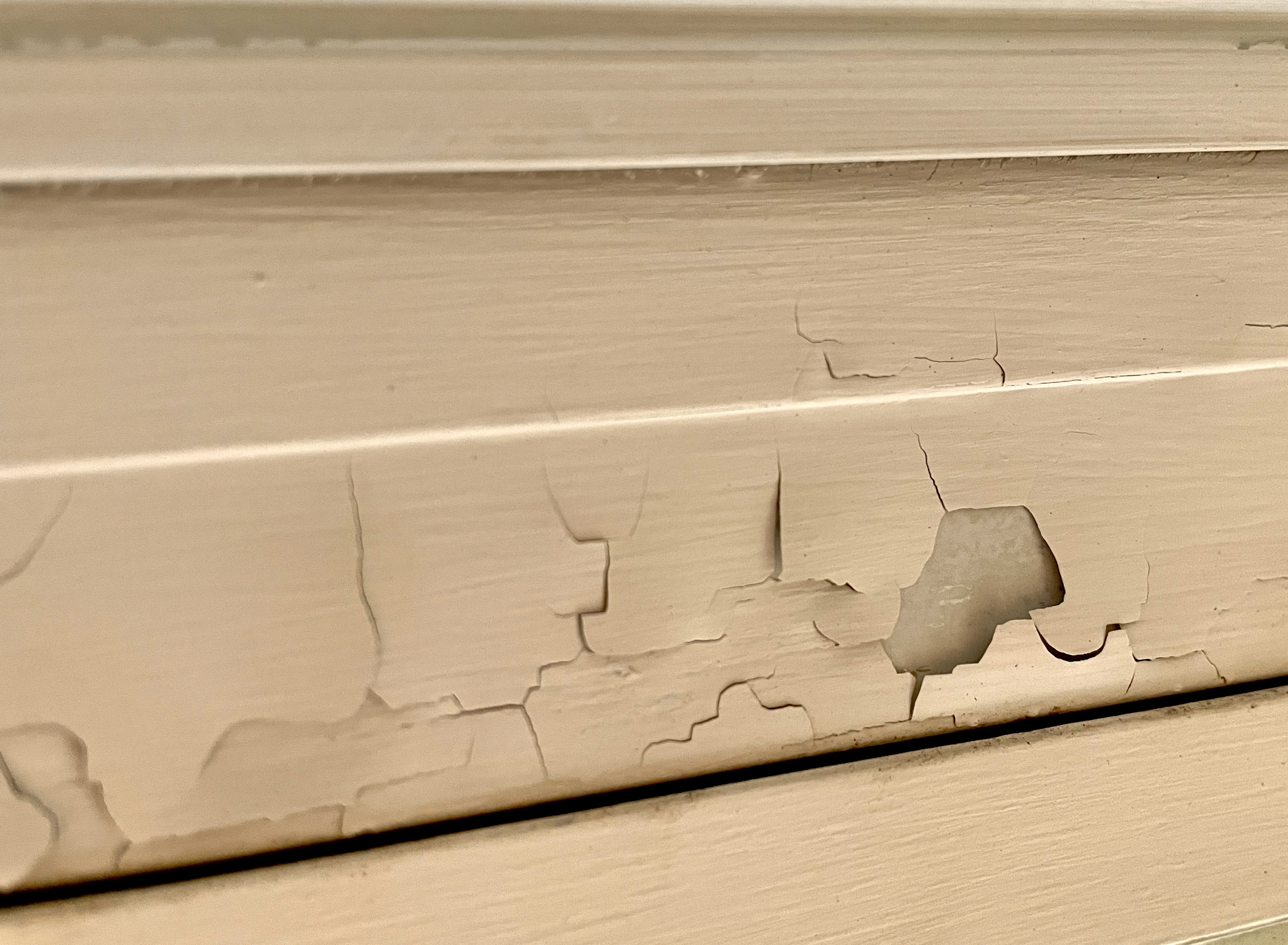
1. Characteristic Wastes: These exhibit at least one of four hazardous traits: ignitability (flammable, like gasoline), corrosivity (can rust or decompose materials, like car batteries), reactivity (unstable and can explode, like aerosol cans), or toxicity (harmful when ingested, like lead-based paint).

2. Listed Wastes: These are specific wastes from manufacturing and industrial processes that the EPA has officially designated as hazardous. They include byproducts from processes that use solvents, pesticides, and other chemicals.

3. Universal Wastes: These are commonly generated hazardous items that are subject to streamlined regulations. Examples include batteries, pesticides, mercury-containing equipment (e.g., bulbs), and some lamps.

4. Mixed Wastes: This category includes waste that contains both hazardous and radioactive components, making it subject to regulation by both the EPA and the Nuclear Regulatory Commission.

Lead testing in residential properties involves collecting samples from paint, dust, soil, or plumbing and analyzing them in certified laboratories to accurately identify lead levels.

Lead testing prior to purchasing a property ensures that the new owners are informed about potential hazards, prevents health risks associated with lead poisoning, and facilitates timely remediation.

How you test for lead in your water depends on the source of your home's water supply. If you have municipal water, your local water system may offer to test the water for free or may connect you to a lab that will perform the testing.

If you have a private well that provides drinking water, you are responsible for testing it for lead. Look for a lab that is accredited by your state's Department of Environmental Protection to perform the test.

The Fort Calhoun, NE homeowners’ guide to lead testing and removal services

From average costs to expert advice, get all the answers you need to get your job done.