

Top-rated asbestos removal specialists.

Get matched with top asbestos removal specialists in Exeter, NE

Enter your zip and get matched with up to 5 pros

Need a pro for your asbestos abatement project in Exeter, NE?

Select your specific project to find the pro for you.

Find Asbestos removal specialists in Exeter

Asbestos Removal questions, answered by experts

If asbestos is found, it is crucial to consult with a professional. They will provide recommendations for appropriate abatement actions, which may include safe removal, containment, sealing, or enclosure. All actions must be planned and executed in accordance with local regulations for handling asbestos.

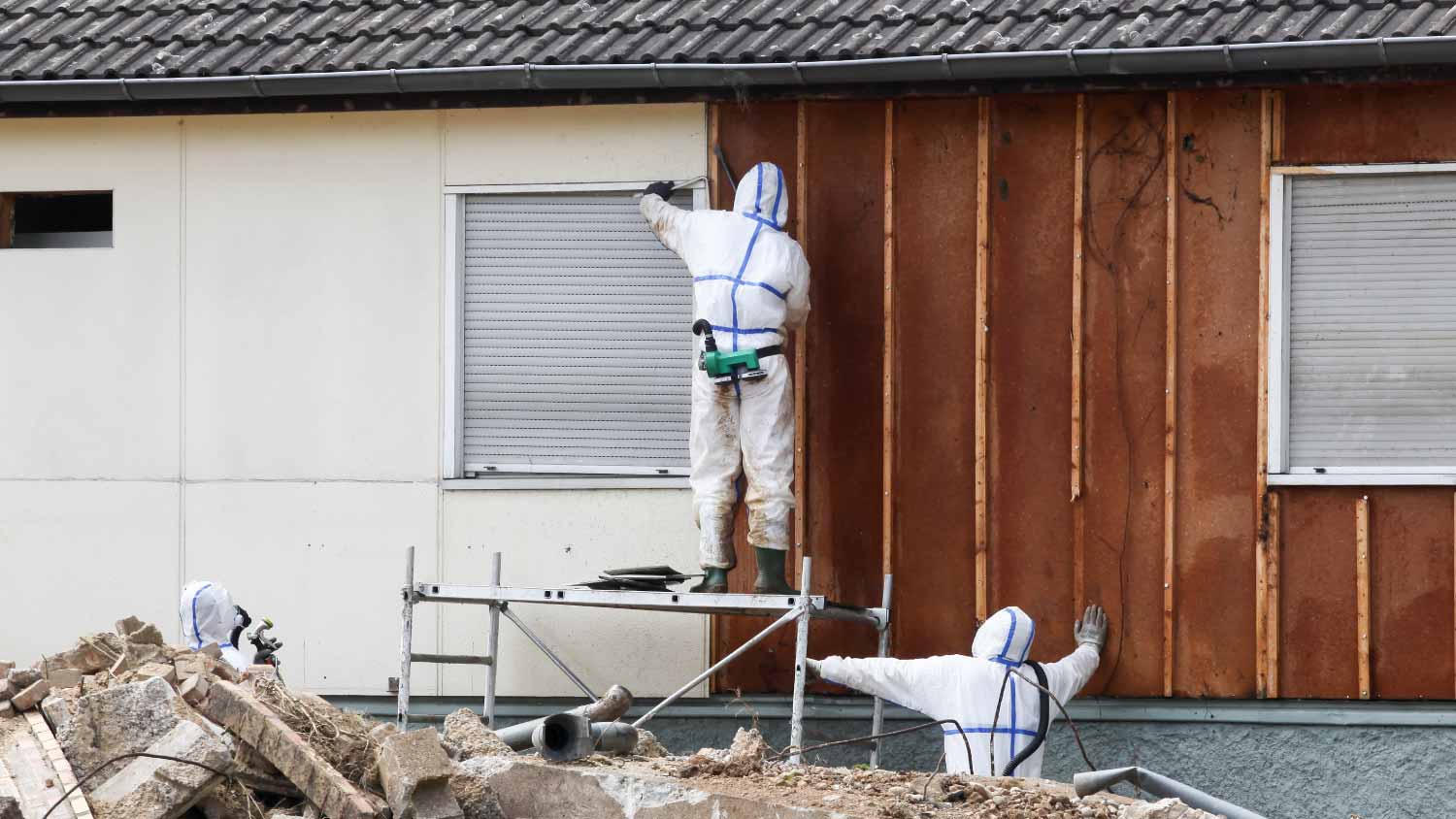
Performing abatement for asbestos means the contractor removes or encapsulates the asbestos to protect your family’s health. The term abatement refers to the steps required to keep asbestos fibers from moving into the air. Understanding what asbestos abatement is can help you discuss the case with your contractors by understanding the jargon they use. 

According to the Environmental Protection Agency (EPA), hazardous waste is generally classified into four main categories:

1. Characteristic Wastes: These exhibit at least one of four hazardous traits: ignitability (flammable, like gasoline), corrosivity (can rust or decompose materials, like car batteries), reactivity (unstable and can explode, like aerosol cans), or toxicity (harmful when ingested, like lead-based paint).

2. Listed Wastes: These are specific wastes from manufacturing and industrial processes that the EPA has officially designated as hazardous. They include byproducts from processes that use solvents, pesticides, and other chemicals.

3. Universal Wastes: These are commonly generated hazardous items that are subject to streamlined regulations. Examples include batteries, pesticides, mercury-containing equipment (e.g., bulbs), and some lamps.

4. Mixed Wastes: This category includes waste that contains both hazardous and radioactive components, making it subject to regulation by both the EPA and the Nuclear Regulatory Commission.

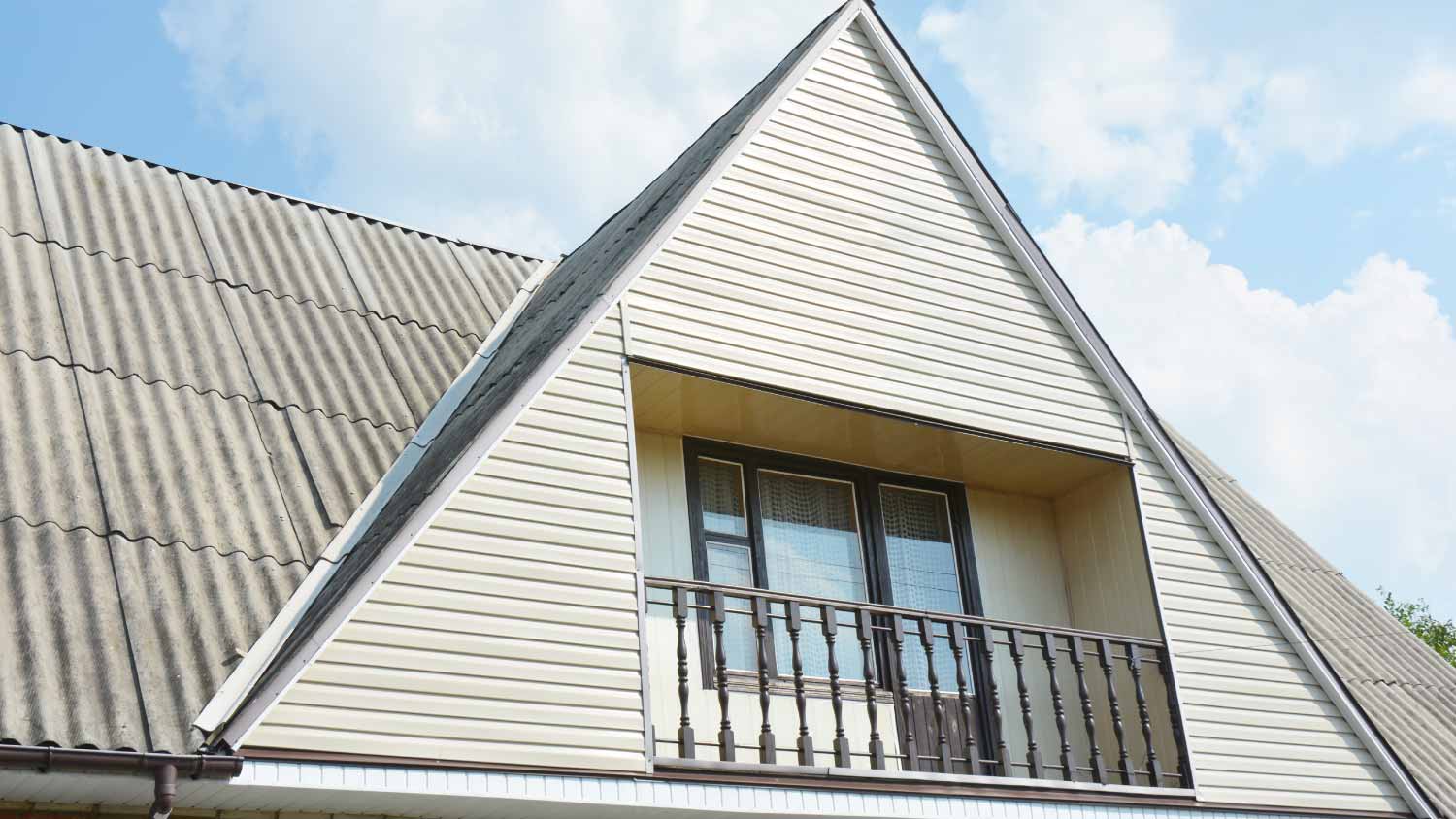
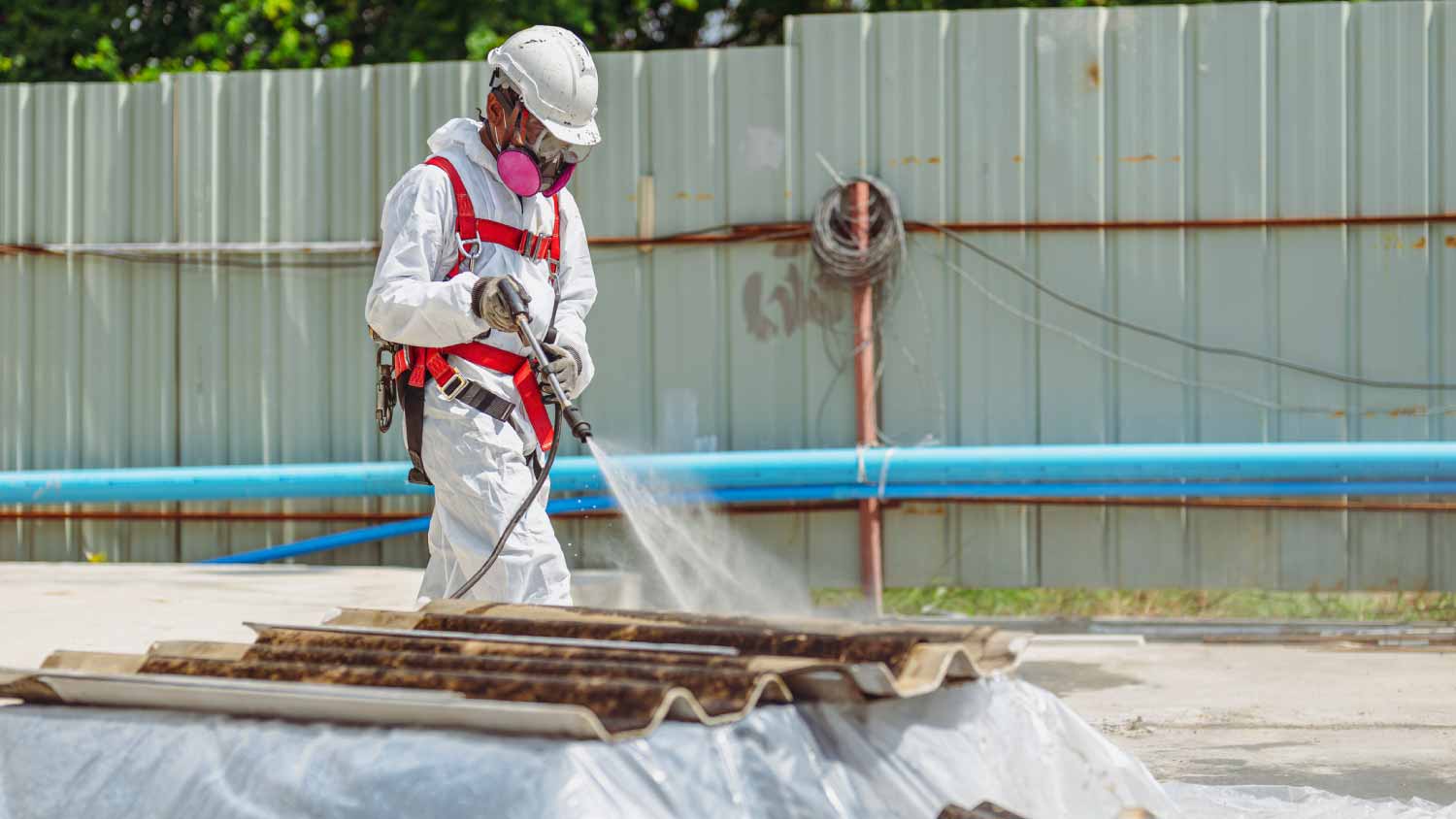
Walking on an asbestos roof can pose a risk. Asbestos roofing materials can become brittle over time, increasing the chances of them breaking or releasing fibers when stepped on. Additionally, walking on an asbestos roof without proper precautions can cause further damage to the material. If possible, avoid touching an asbestos roof in any way and consult with a professional about removing and replacing the roof. 

In the event of suspected or confirmed asbestos contamination on the body, it is imperative to take immediate measures to reduce health risks. To avoid further exposure, carefully remove contaminated clothing and shower thoroughly to remove any asbestos fibers. Seek prompt medical attention, and inform your healthcare professional about your suspected asbestos exposure. Since asbestos-related health issues can take years to surface, regular medical check-ups are advised for anyone with a history of exposure.

The Exeter, NE homeowners’ guide to asbestos removal services

From average costs to expert advice, get all the answers you need to get your job done.