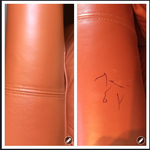
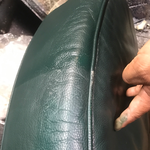
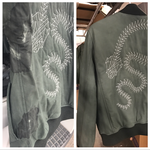
"within minutes, I received a call from the very friendly and professional Michelle. Calling me all the way from California! Michelle explained the services she could and could not offer in terms of my needed furniture repair. And while she cannot help me specifically with my furniture issue, she offered a very generous solution: she is going to send me leather dye for the scratched ottoman and talk me through the repair, should I need help! Michelle also explained that she deals with customers all over the country, in need of leather and purse and clothing repair, cleaning, and restoration. Based on my extremely positive experience with Michelle, I will be sure to call her in the future when I need help with fur, leather or suede goods!!!"
Couch Cleaning Services questions, answered by experts
Washing your carbon filter can damage the fibers and make it less effective. While removing the dust from the filter gently is possible, we don’t recommend you wash and reuse the filters once they have reached the end of their lifespan.
The best way to save money on HVAC repairs is by regularly having your system inspected and maintained. This can prevent bigger problems and costly repairs and replacements in the future. It’s also smart to buy quality equipment and hire companies that provide warranties on equipment and labor. If you need repairs, you may be able to save money by cashing in on rebates and incentives or keeping the area around your HVAC unit clear to shorten the time your contractor needs to spend in your home.
How often you change your air filter depends on your home and lifestyle. Things like how many people are in your home, pets, the season, the size of your home, the air quality where you live, and more all impact your HVAC system. The best practice is using visual indicators to determine when it needs changing by checking if light can pass through it. If you can’t see any light, it’s clogged and needs to be changed.
As a general rule, HVAC air filters should be replaced every one to three months (or every 90 days). However, the ideal frequency depends on several factors, including the filter type and your home's environment. For instance, if you use thinner filters (1-2 inches deep), have pets, have household members with allergies, smoke indoors, or frequently keep windows open, you may need to change the filter as often as once a month. It's best to follow the manufacturer's recommendation as a guideline and visually inspect the filter monthly to see if it's dirty. Regular filter changes are crucial for maintaining proper airflow, good indoor air quality, and efficient HVAC system operation.
Professionals can enhance an A/C system’s longevity by optimizing settings and performing thorough checks on all system components.
The Callaway, NE homeowners’ guide to couch cleaning services
From average costs to expert advice, get all the answers you need to get your job done.