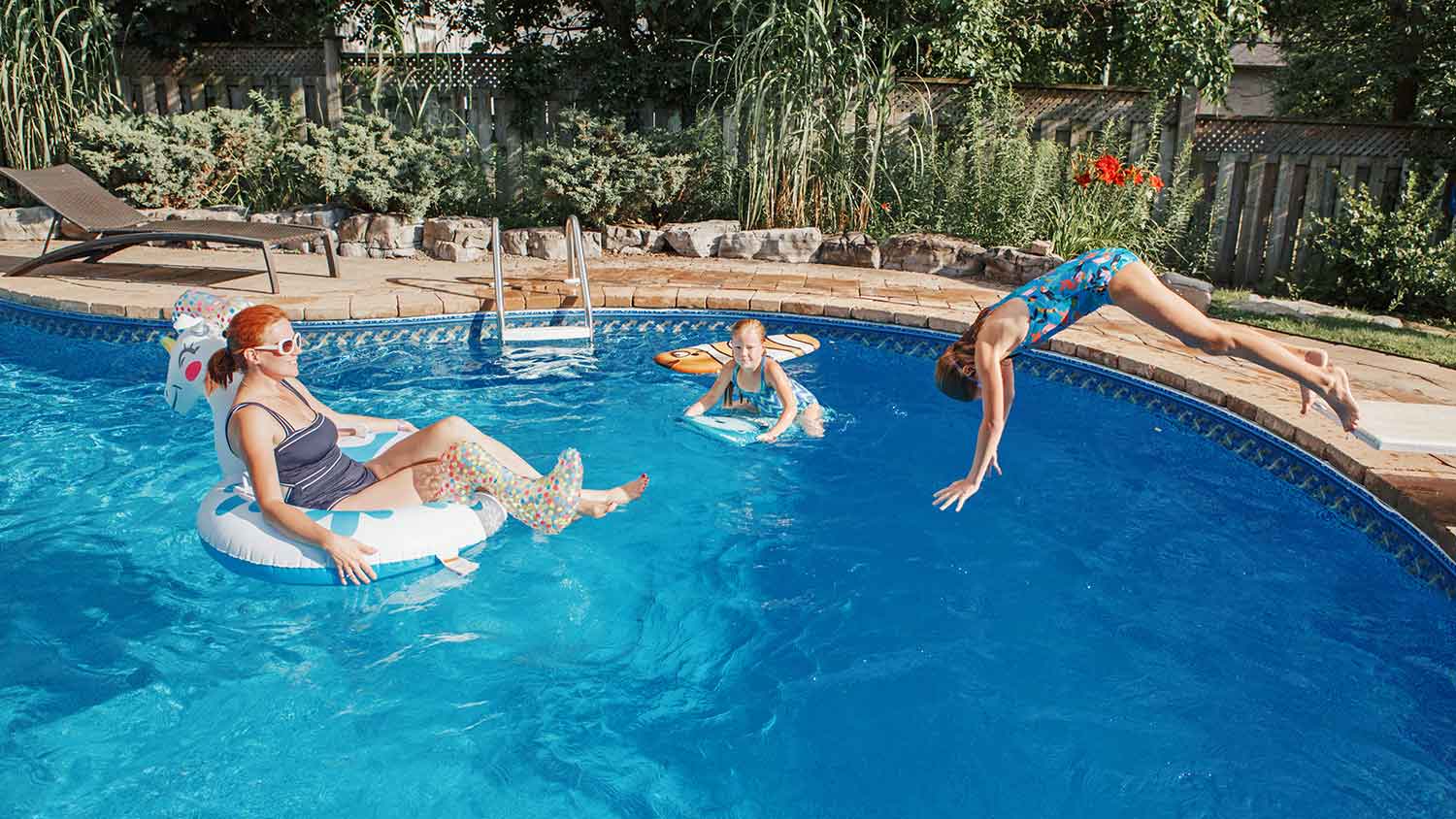
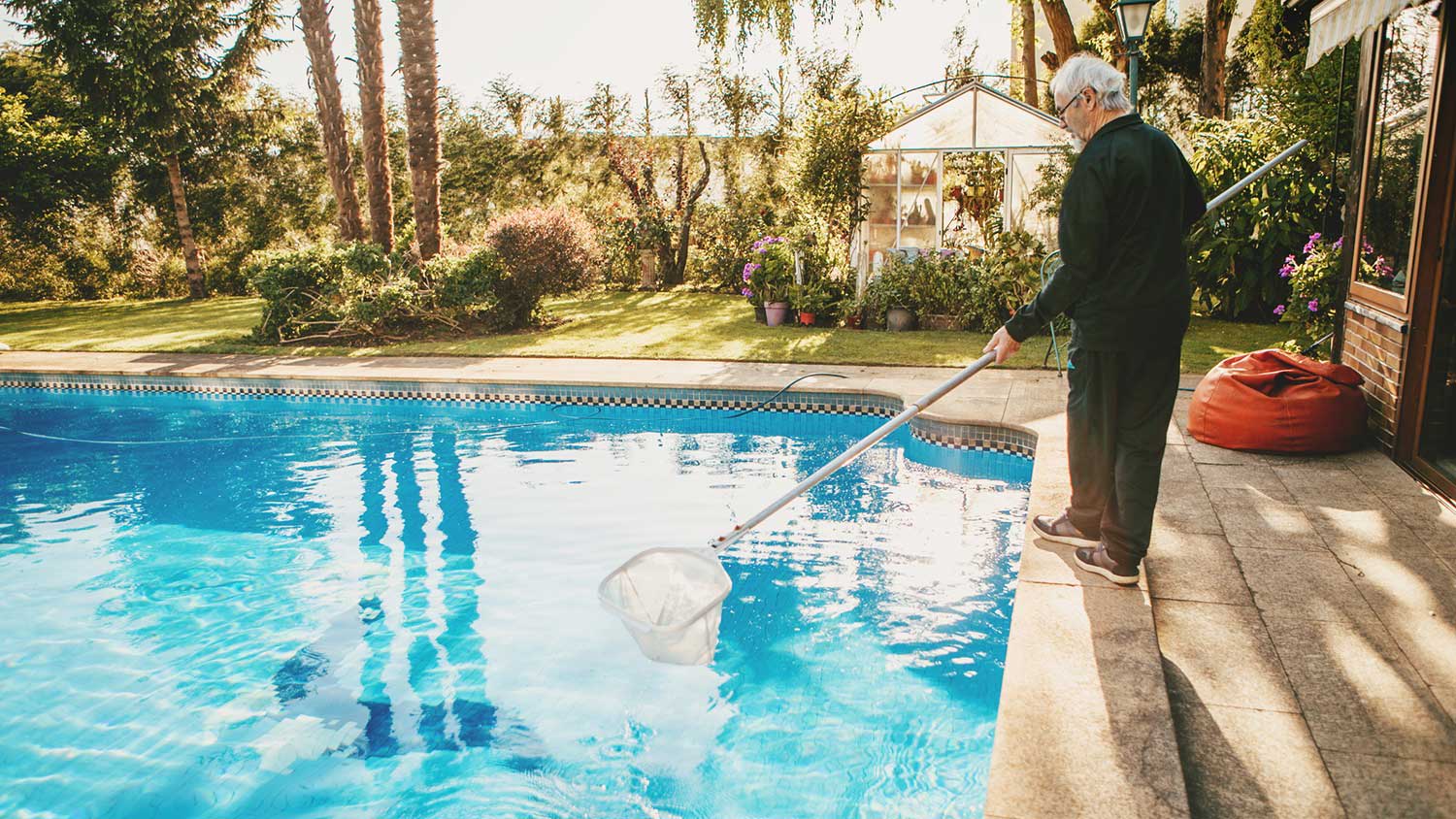
"It was great, the pool technician was very helpful and kept us updated on what repairs were needed. He followed up after his visit to ensure we knew the next steps. 10/10 would have this technician again."
"Rather than fix the issue the first 2 calls, more refrigerant was pumped into the system. This cost me $75 for each call plus the cost of the refrigerant. The 3rd time, they fixed a valve and refilled the refrigerant and I am monitoring to see if this really fixed the problem. So I am out $225 for service calls fro the same problem and the cost of the refrigerant. I think they take this approach intentionally."
The best thing with which to clean a hot tub is whatever the manufacturer recommends; in most cases, this is a gentle surface cleaner and a soft cloth. Recommended hot tub cleaners can include specially formulated cleaning agents, mild dish soap, baking soda, vinegar, or diluted bleach. For your hot tub exterior, choose wood or vinyl cleaner (depending on the casing material).
You should never use household cleaning products, harsh chemicals such as undiluted bleach or acids, or abrasive cleansers or cloths, as these can scratch or etch your hot tub’s coating or shell and cause permanent damage.
Though a hot tub has many benefits, there are a few cons. Mainly, hot tubs require a lot of maintenance. You’ll need to deep clean yours quarterly, test the pH at least once or twice a week, and add sanitizing chemicals once a week. They also have relatively high ongoing costs since you’ll need to pay for electricity and repairs.
Algae-related green hot tub water is generally safe to use, as algae aren't usually harmful to your health. However, if the conditions in the hot tub are hospitable to algae growth, they may also be hospitable to the growth of other types of microorganisms, including Pseudomonas aeruginosa, bacteria that can cause hot tub rash, or Legionella bacteria, which can cause respiratory illness.
A hot tub cover's lifespan is typically between three and seven years, with an average of five to seven years for a well-maintained one. The quality of the cover is a major factor; lower-quality polyester or vinyl soft covers can tear easily with regular use.
To extend the life of your cover, proper maintenance is key. This includes:
Keeping the cover clean, dry, and out of the sun. Use a soft cloth and mild dish soap for cleaning.
Applying a vinyl protectant spray.
Cleaning the underside with a chlorine spray.
Using a cover lift to prevent damage from rough handling.
Protecting it from harsh weather.
Keeping children and pets off the cover.
Investing in a high-quality cover and checking for a warranty at the time of purchase can also contribute to its longevity.
How often you change the water in your swim spa depends on how often you use it. Most manufacturers recommend changing the water every three to six months. If you use your swim spa throughout the seasons, it’s a good idea to set up a quarterly deep cleaning schedule. The ideal instructions should be in the owner’s manual.
The Atkinson, NE homeowners’ guide to pool and spa services
From average costs to expert advice, get all the answers you need to get your job done.
Discover how much pool maintenance costs, including average prices, cost factors, and expert tips to help you budget and keep your pool sparkling all season.
What’s the difference between a swim spa vs pool? Both can be great additions to your property; here’s how to decide which one makes the most sense for you.
If you live in an area without very cold winters but tempted to close your pool during the cooler months, read on. We dive into the many benefits of winter service.