"Dishwasher and ceiling fan service was wonderful. Garbage disposal is on its way, the shower fixture was a little messy and have to return 3 times to fix, pray its the last time. But not Choice Warranty's fault. Alittle pricey but allows you to pay them out."
"I love American Shield. I love American Shield. I love them. We have 2 homes; this home is 30 years old, our home in California is twenty years old and we have used them in both places. A, number 1, plus, plus!"
Ceiling fans are very often worth the investment because they improve comfort in your living space and help reduce utility bills. In the late spring and early fall—and even in the summer in some areas—homeowners with ceiling fans can often get away with open windows and fans, which can cut down on cooling bills and also reduce wear and tear on the HVAC system. Over time, ceiling fans can pay for themselves by saving you money on electric bills and air conditioner repair and maintenance.
For a 12x12 room, a fan between 36" and 50" will work, as it falls in the range for spaces up to 144 square feet. These size fans provide adequate air circulation and ensure a comfortable environment without being overpowering. Even better, they come in a broad range of styles, offering aesthetics and functionality, making them suitable choices for maintaining an ideal room temperature and enhancing overall comfort.
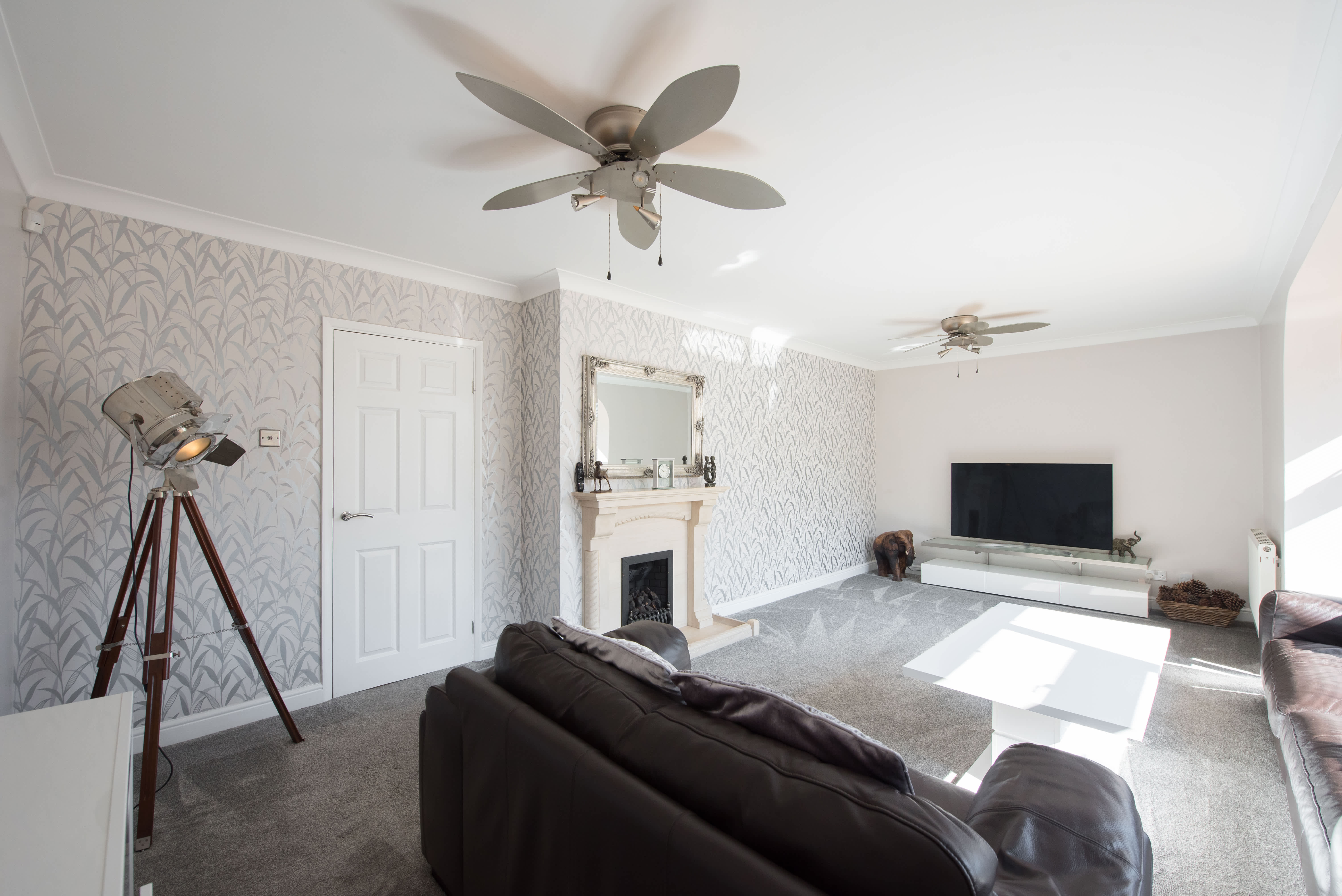
The number of blades for your fan poses both advantages and disadvantages. Typically, the more blades on a fan, the better the air distribution and cooling effect, but this also means that your fan will have more wear on its motor. For small rooms, three-blade fans should work fine. For larger areas like living rooms, four or five-blade fans might be the better option.
Whether you can install a ceiling fan yourself depends on if you're replacing an existing fixture or installing one where no wiring exists. If you are replacing an existing fan, an experienced DIYer may be able to do the job, which can save on labor costs. This work typically doesn’t require a permit, but there’s always a safety risk when dealing with electrical components, so hiring a pro is still a good idea, especially if you aren't handy. Keep in mind you may need a special ladder for high or vaulted ceilings. However, if you are installing a new ceiling fan where there is no current fixture, you must hire a licensed electrician. In most areas, it is required by law that a professional runs new wiring and pulls the necessary permits. Attempting to install wiring yourself can be dangerous and a code violation.
No, a ceiling fan doesn’t have to be wired to a switch, but it’s often more convenient. You can use the included pull chain if your ceiling isn’t too high or install a remote module later, as they are a cheap, easy-to-install option that’ll let you control both the fan and light fixture.
The Atkinson, NE homeowners’ guide to ceiling fan services
From average costs to expert advice, get all the answers you need to get your job done.
Discover the cost to install a ceiling fan, including labor, materials, and tips to save. Learn what impacts your price and how to budget for your project.
Ceiling fans cool down your home while stylishly accenting your space. With a variety of types of ceiling fan on the market to choose from, you can’t go wrong.
Although the risk is low, there are a few telltale signs that a ceiling fan will fall off your ceiling. This guide explains when to worry (and when not to).
With the right size, ceiling fans are an energy-efficient way to cool a room. Use this ceiling fan size guide to find the perfect model for your space.