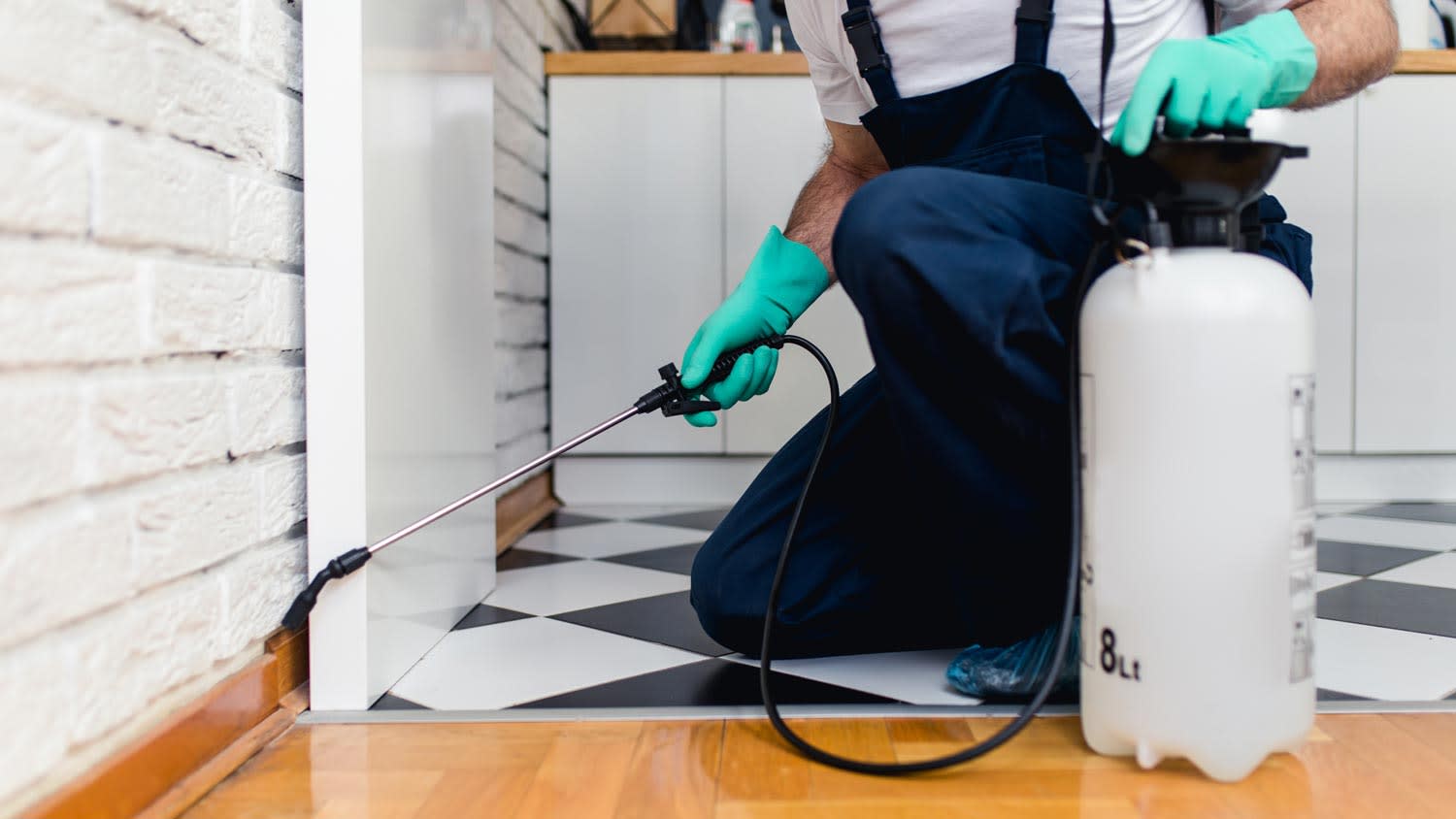
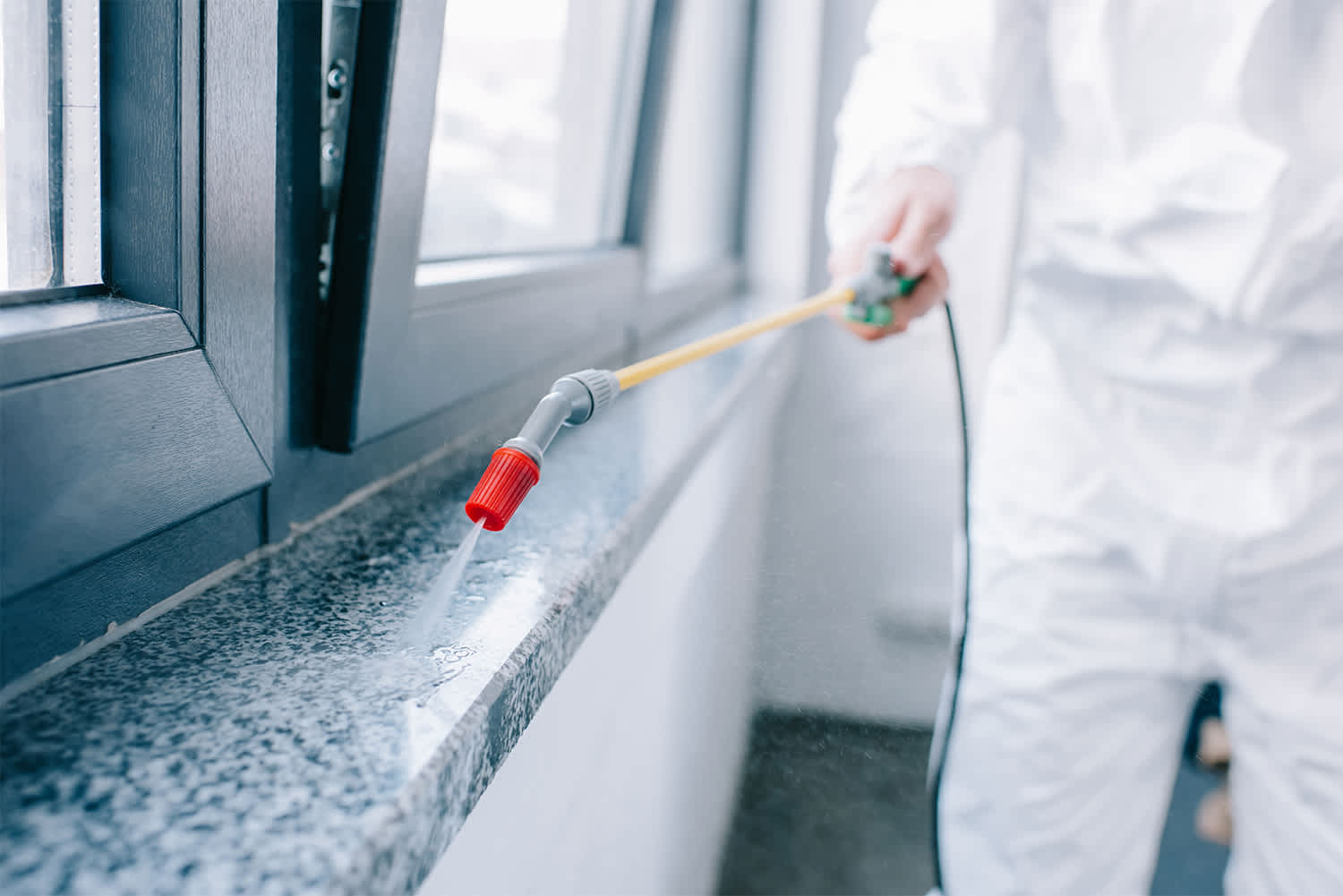
"Very punctual and professional. Got the job done in no time flat with good results. No more bugs and I couldn't believe how much stuff he got out of our dryer ducts!"
"United Air Temp was able to procure a replacement furnace controller board in a couple of days and Zachary was out within 4 days of the initial visit. The furnace now works very well."
Rat poison that contains an anticoagulant like warfarin can cause bleeding, chills, confusion, extreme fatigue, headache, convulsions, lightheadedness, and seizures. Anticoagulants prevent your blood from forming clots, which can result in uncontrolled bleeding both internally and externally. Other types of rat poison that aren't anticoagulants attack your liver, kidneys, and digestive system. They can suppress your breathing and heart rate, causing low blood oxygen and poor circulation. Burning in your throat and gastric discomfort are common symptoms.
Generally, spring is the best time to hire a pest control service, but it also depends on when you notice the infestation. Insect pest numbers are lower in spring before they hatch, making the extermination and prevention process more manageable as nests and eggs of future pests are eliminated. However, don’t hesitate to hire a pest control specialist when you spot signs of a problem.
No, ground bees are not detrimental to the health of your lawn. In fact, the small holes created by ground bees can actually offer beneficial aeration which moisturizes and nourishes the ground. Additionally, ground bees are highly regarded as vital pollinators, meaning they help plants to reproduce. Unless you’re battling a severe infestation, leaving ground bees undisturbed can boost the health of your yard and the environment.
Aside from incorporating smells that roaches hate in your bedroom, such as citronella, lemongrass, or clove oil, there are a few ways you can keep roaches away at night. First, try moving your bed away from the wall, as roaches will often climb the walls and onto your bed. If you’re still having trouble, you can also purchase a mosquito tent for your bed, or hang netting from the ceiling to surround your sleeping area. Make sure it isn’t touching the ground, though, as they may attempt to climb it.
The average lifespan of a stink bug is about six to eight months, depending on species and environmental conditions. Their life cycle includes three stages: Egg, nymph, and adult. Eggs hatch in roughly five days to two weeks, followed by a four to six-week nymph stage where they grow and molt. Once fully matured, adult stink bugs focus on reproduction and can fly to new areas, often seeking refuge in homes in search of warmth.
The Wishek, ND homeowners’ guide to pest control services
From average costs to expert advice, get all the answers you need to get your job done.