






Top-rated arborists.

Get matched with top arborists in Thompson, ND

Enter your zip and get matched with up to 5 pros

Need a pro for your arboricultural service project in Thompson, ND?

Select your specific project to find the pro for you.

TRUSTED BY THOMPSON, ND HOMEOWNERS

  • Average homeowner rating star icon4.5
    Average homeowner rating
  • Verified reviews icon81
    Verified arboricultural services reviews

Find Arborists in Thompson

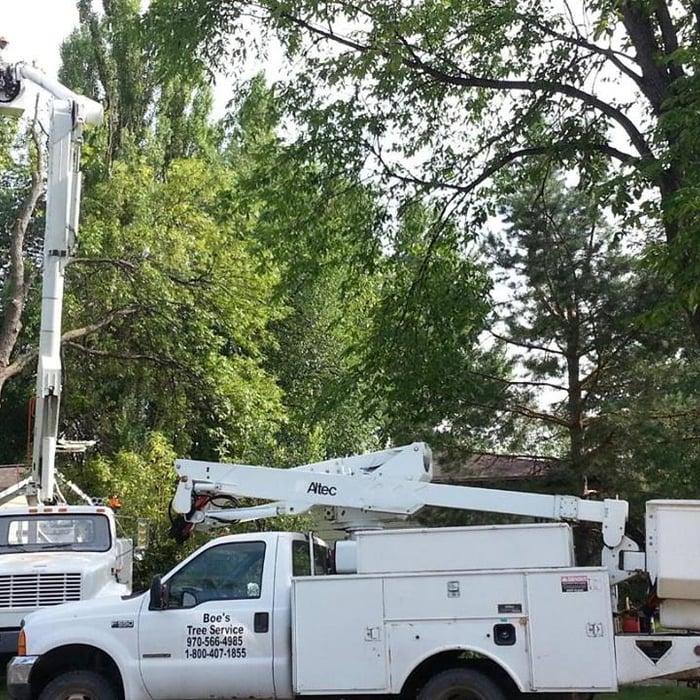
Avatar for Boe's Tree Care, LLC
Boe's Tree Care, LLC
4.7(
33
)

Serving Thompson, ND and surrounding areas

Approved

In business since 2004

Free estimates

Emergency services offered

"We hired John and his team to remove and trim trees and grind stumps in our back yard. They were timely, friendly and courteous. In the end, they left our yard looking better than they found it. I would highly recommend this company!"
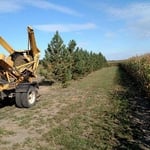
Tree Transplanting Job
Tree Trimming

+18

Response time2 days
1 neighbors recently requested a quote
Recommended by96%of homeowners
Showing 1-10 of 40
Arborists questions, answered by experts

Transplanting a palm tree is a similar process except for a couple of important differences. First, their root ball doesn’t need to be as large as a “true” tree, which makes them a bit easier to dig up and move around. Second, they struggle more with taking root and staying upright in a new location, so it’s important to give them extra support when staking. 

If executed correctly your tree should survive after being transplanted to a new spot. However, effective transplanting requires six months, careful root pruning, safe transport to the new location, and replanting in prime soil conditions. You’ll also need an appropriately sized root ball for a complete tree transplant. A good rule of thumb is that, for every inch in diameter, your tree’s root ball needs to be around 11 inches. So a tree with a diameter of six inches needs a root ball of approximately 66 inches.

Tree experts don’t advise against digging through tree roots, but instead encourage caution and consultation with a local arborist to make sure you don’t damage the tree’s structure or interrupt its water or nutrient intake. An arborist can recommend specific practices when digging and help prune the roots or dig a trench for utilities with a tool that can remove soil without touching the tree’s roots.

Unfortunately, palm tree stumps are one of the most difficult types to remove due to how their roots grow. Unlike other trees, palm tree roots grow horizontally and vertically. Palm tree roots grow as deep as three feet into the ground, although soil and growing conditions could mean they go as far as 50 inches into the earth. 

If you want to be able to repurpose the grass in the area where you removed a stump later, you’ll have to dig quite deep—and perhaps wide—to trim away all the roots.

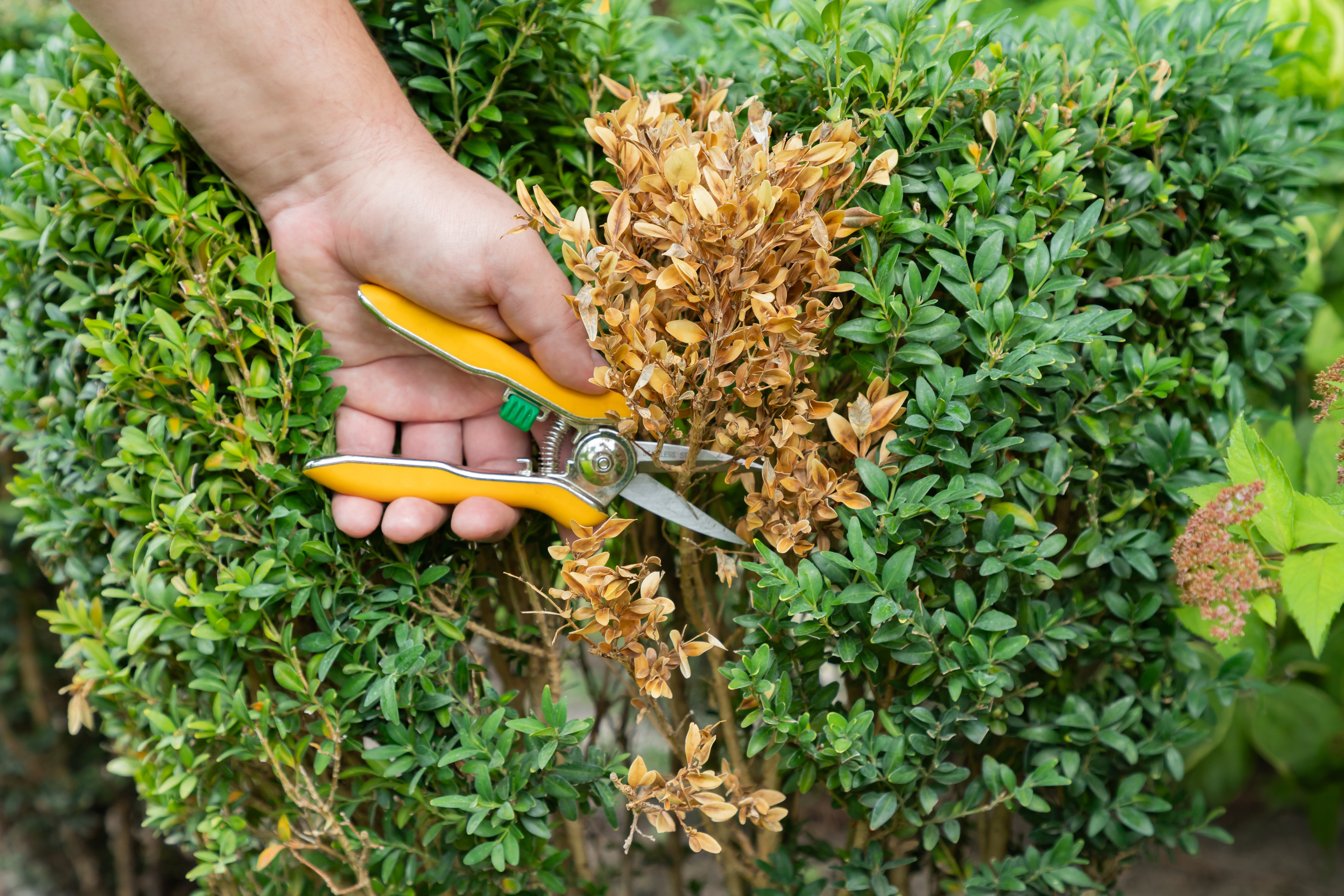
Dead tree branches should be removed, because they can cause the tree to lose nutrients. They can also make the tree more susceptible to disease and pests. Removing dead and diseased branches can help the tree recover and increase the odds of saving a dying tree. Make sure to prune the tree correctly to avoid damaging it further.

The Thompson, ND homeowners’ guide to arboricultural services

From average costs to expert advice, get all the answers you need to get your job done.

What do you need done? We’ll find top pros.
  • 🌱 "Mow a small front yard"
  • 🛠 "Fix a leaking pipe under the sink"
  • 🏠 "Repair shingles on an asphalt roof"