


Top-rated sewer cleaners.

Get matched with top sewer cleaners in Stanley, ND

Enter your zip and get matched with up to 5 pros

Need a pro for your sewer cleaning project in Stanley, ND?

Select your specific project to find the pro for you.

Find Sewer cleaners in Stanley

Sewer Cleaning questions, answered by experts

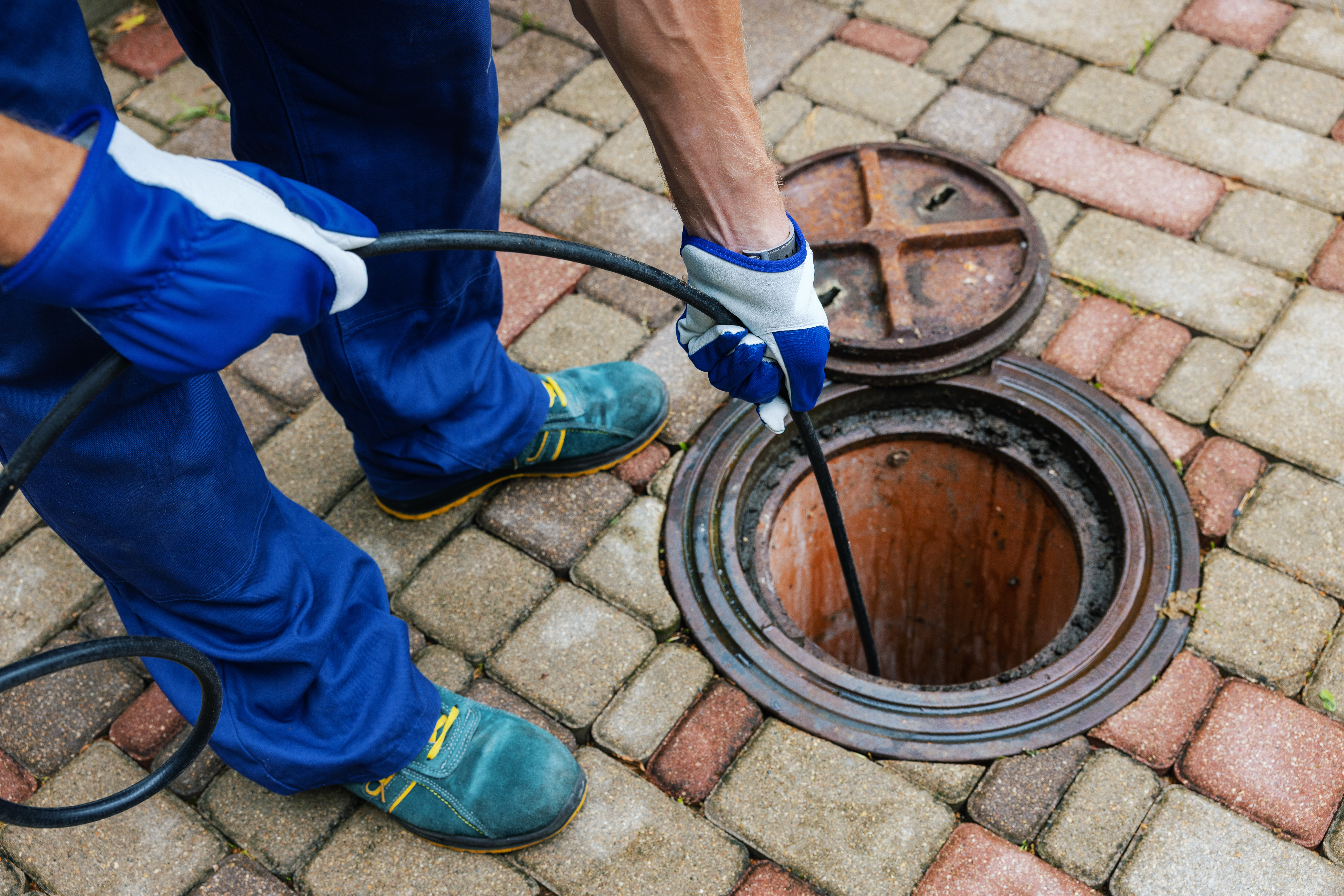
In most cases, drain cleaners will not clear a clogged sewer line, and they’re likely to damage your plumbing. Sewer lines are several inches wide, meaning any material that clogs it will need to be large. Drain cleaner can work on small clogs, but it usually won’t clear a larger one in a sewer main. Drain cleaners can also easily damage and corrode your plumbing with prolonged contact, and a clog will keep the cleaner in contact with the pipes for an extended period. Hire a professional sewer cleaner instead for a safe fix.

It's advisable to have your sewer line inspected every three to five years to ensure its proper functioning and detect any potential issues early on. However, the frequency of inspections can vary based on factors such as the age of your sewer system, the type of pipes used, and your property's location. If you notice any warning signs like slow drains, foul odors, or sewage backups, it's essential to schedule an inspection promptly, regardless of the regular maintenance schedule. 

Unlike regular cleanings, snaking your sewer line should be done as needed. There’s no reason to snake your sewer line if you don’t have any noticeable issues, like slow drainage or plugged drains. You can add it to your regular sewer cleaning checklist as a prevention method (on the same 18- to 22-month schedule), but it’s not always necessary. 

It can take anywhere from half an hour to a few hours to fix a main line clog, depending on the cause and severity of it. The job should not take more than a day to complete. Keep in mind that the main line is not the same as your home’s sewer lines (which connect to the main line and run to your house). Your city is responsible for any clogs or damage to the main line itself.

If used correctly and sparingly, root killer shouldn’t damage your pipes. Make sure to follow the instructions on the back of the bottle or the company’s website to avoid any unintended damages. However, when it comes to copper sulfate, it’s better to avoid it. This type of root killer can damage your plumbing and the surrounding environment.

The Stanley, ND homeowners’ guide to sewer cleaning services

From average costs to expert advice, get all the answers you need to get your job done.