It can take anywhere from one month to a couple of years for tree roots to grow back in sewer lines. Tree roots can cause extreme havoc on your sewer lines, potentially cracking them and causing untreated wastewater to make its way into the groundwater. Have a landscaping pro remove trees and roots before installing your system, or call a pro to do it retroactively as soon as you can.
Common drain issues include slow-running drains, whether in a sink or shower, clogged drains, a bad smell, and water backing up into a sink, shower, or bathtub. Causes range from hair, grease, roots, or toilet paper clogging the drainpipes to flooding outside the home, which prevents sewer lines from draining properly.
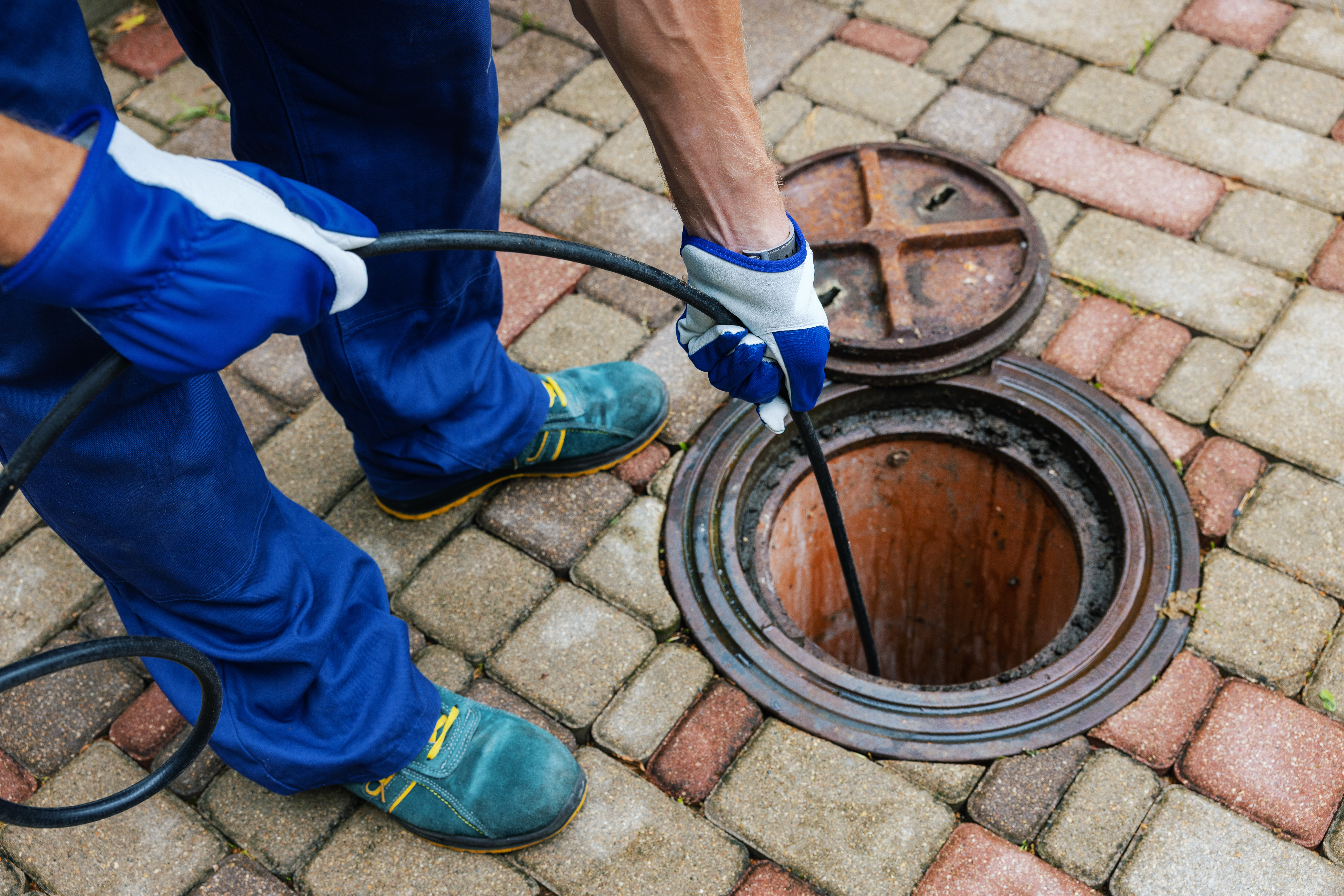
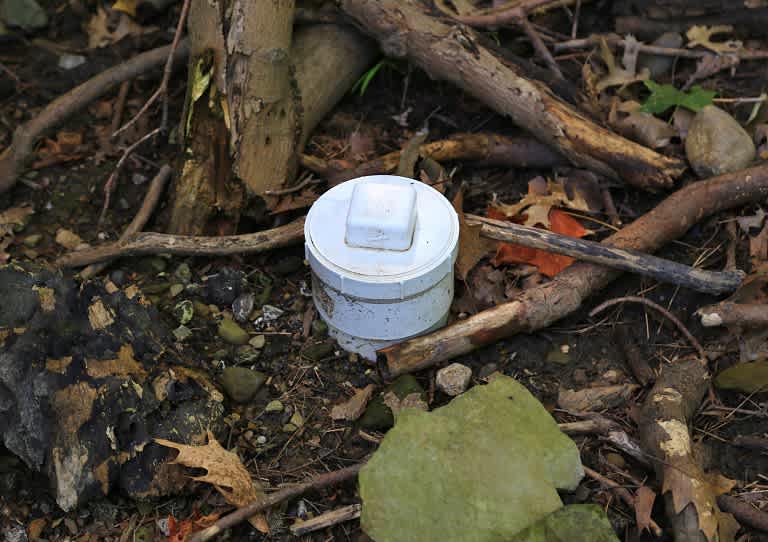
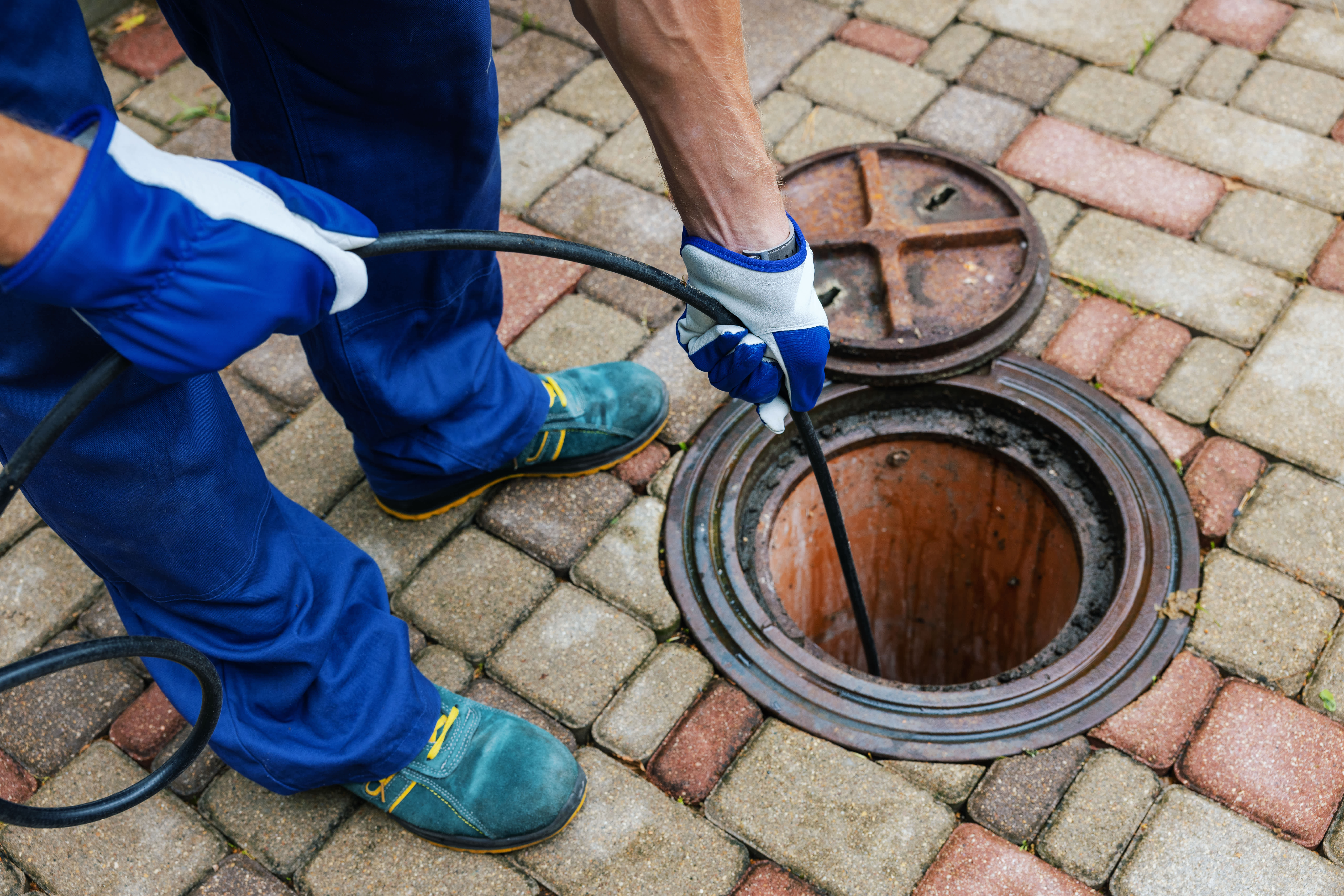
First, find the cleanout pipe in your yard. Unscrew the cap—you may need a wrench to do so. Then, get a drain snake. You can use a non-motorized one, but a motorized snake will make the job a little easier. Feed the snake through the pipe until it reaches the clog. Spin the snake continuously, but don’t try to feed it through the pipe anymore. Keep spinning until you feel it break the clog apart.
Inspect regularly for clogs, clean drain lines, and ensure grading directs water away from the foundation.
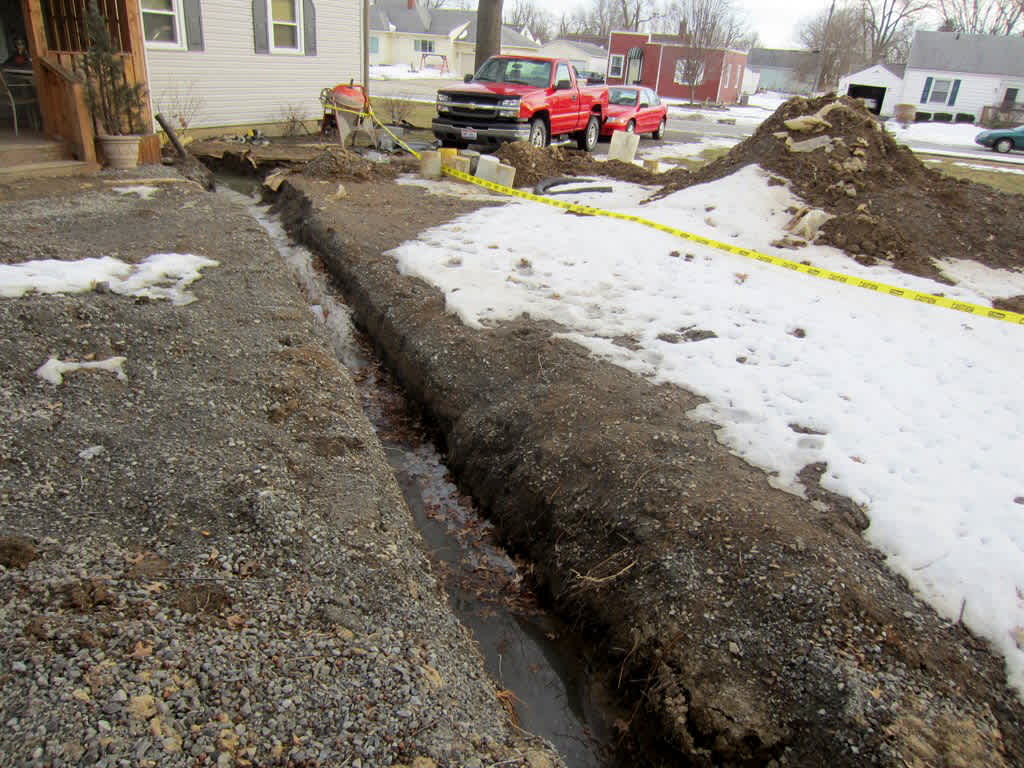
Outdoor plumbing issues are no less serious or urgent to fix than interior plumbing problems. These problems may require excavation and lawn repair due to the plumbing often being buried underground.
The most common outside plumbing problems include:
A clogged main sewer line can lead to gas or wastewater leaks. Find out what main sewer line clog repair costs by type of service, clog severity, and more.
Don't fall victim to unnecessary plumbing service. Learn five ways to avoid becoming the victim of a fraudulent contractor's sewer or drain-cleaning scam.