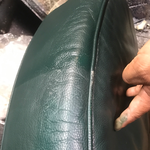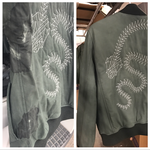
"When no one locally even responded to my inquiries for a quote, Michelle got back to me the same day with a quote and description of how the repair would be done. It's a slight downside to have to ship one glove coast to coast for a minor repair on one finger. But the cost of shipping and the repair is much less than purchasing another $100 pair of gloves! The repair took a little longer than anticipated, but shipping time had to be factored in as well. Michelle was very prompt with communications during the process. Cost of service below did not include shipping which was about $16 round trip. The glove returned good as new...well as good as it's pair. The glove is two years old. But the seam was totally resewn and reinforced. Michelle stated she did not want to the issue to happen again. I hope it won't. The problem started with my fingers rubbing. Very happy with the service from Premier. I wish they had a shop in Maryland!"
Inspections should be conducted annually, and minor repairs should be made as needed.
Both bleach and vinegar are effective at killing and removing moss from surfaces like driveways. Bleach tends to have a longer-lasting effect, potentially keeping moss away for up to a year, whereas vinegar may require more frequent applications. However, vinegar is a non-chemical option that is gentler on the environment. A key consideration is the surface you are treating, as both substances can stain or discolor certain paver materials. It is recommended to test the solution on a small, inconspicuous area first to ensure it doesn't cause damage.
It may require stronger cleansers or chemicals, higher-pressure spray, or scrubbing to completely remove algae from a metal roof. Start with a mild cleanser; if that doesn’t work and you're comfortable doing so, use a stronger mix of ⅓ cup of laundry detergent, 1 quart of bleach, and 3 quarts of water to gently scrub the algae with a soft-bristled brush. If algae is present across large portions of your roof, doesn’t come off with gentle scrubbing and cleansers, or is in hard-to-reach areas, this may be a job better left to a pro.
Removing snow from your roof can help prevent ice dams, but the best thing to do is address insulation issues in your attic. If you do decide to remove the snow manually, you should always use a roof rake rather than a shovel. You shouldn’t climb your snowy roof in any circumstance, and roof rake allows you to remove the snow from the ground or a ladder. For the best results, remove snow as soon as possible after it falls.
A professional roof cleaning lasts about a year on average, so it’s best to do it annually. This schedule helps catch any roof problems before they become extensive and helps prevent mold, moss, and algae from forming. If you live near the coast, annual roof cleaning will help prevent salt buildup on your roof. You can add professional roof cleaning to your yearly home maintenance checklist to ensure you never miss a year.
The Rolla, ND homeowners’ guide to mattress cleaning services
From average costs to expert advice, get all the answers you need to get your job done.
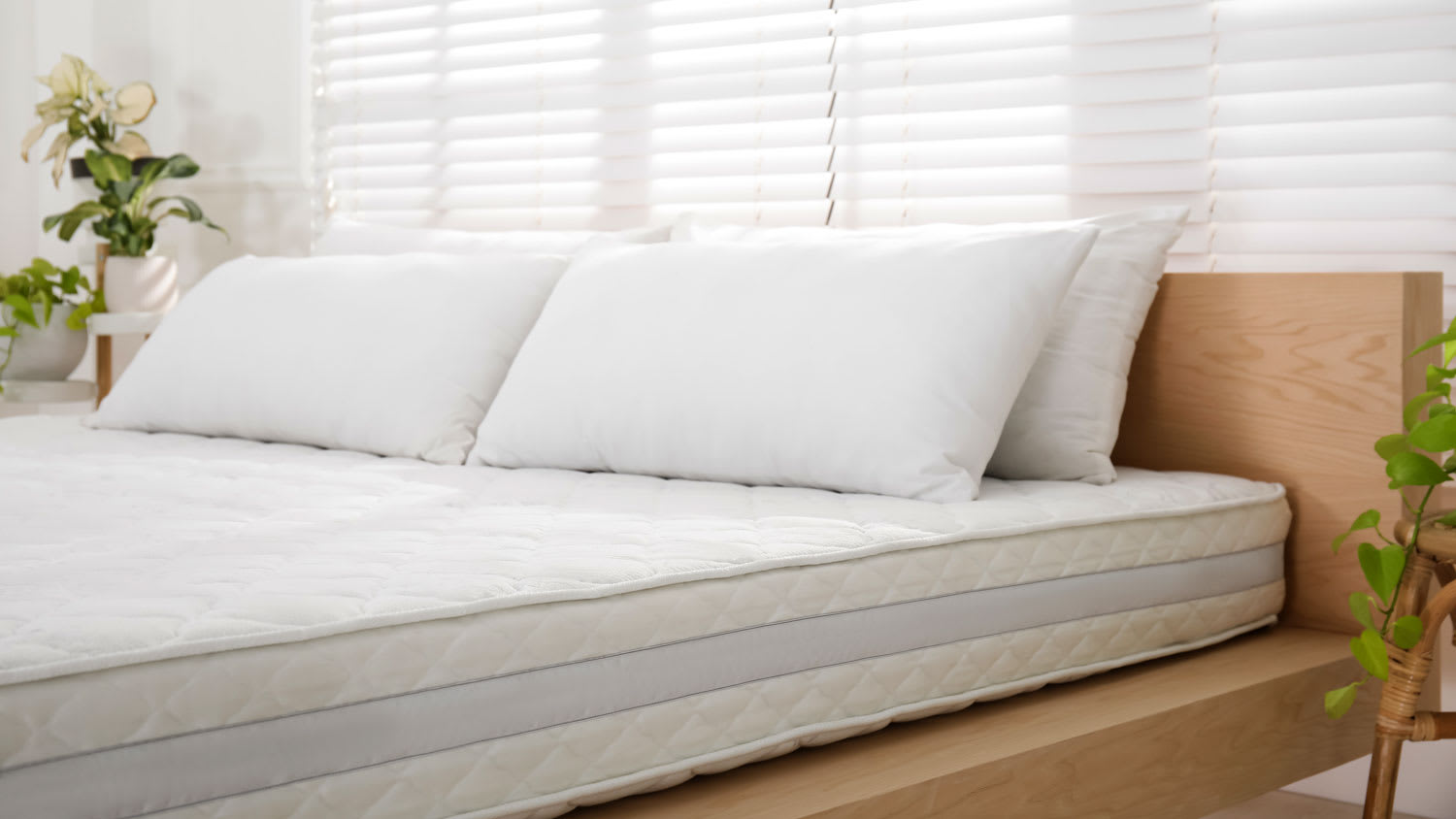
Mattress cleaning cost depends on the number of mattresses being cleaned and the size of each. Use this guide to better understand mattress cleaning prices.
Mattresses are considered hazardous waste, so you’ll likely have to pay disposal fees. Use this guide on mattress removal costs to see what your total will be.
Cleaning pee out of a mattress might seem like a daunting task, but you can clean up and get rid of the lingering odor with household items you already have.