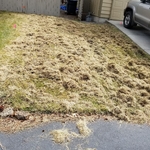
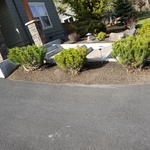
"We’ve used Fix-it all for several projects the past few years. Mike was the guy sent out to remodel our bathroom. I’m very satisfied with that final result.
Joe repaired our garage door trim and seals. He did an excellent job and was done in no time. Very satisfied with that project too.
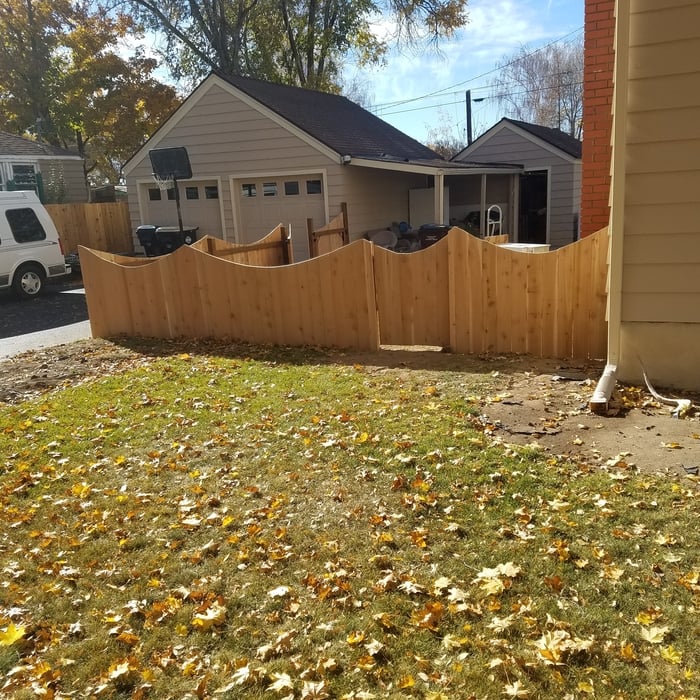
Kayan; Joe and Jesse just finished up our wooden fence repairs and did a very professional job. I’d recommend Fix-It-All for all your home repairs."
Welcome to Arnerson Remodeling, proudly serving North Dakota. With over 30 years of experience, owner and operator, Dean Arnerson takes great pride in his professionalism and customer satisfaction. For fast, reliable and efficient service, give us a call today. You will not be disappointed.
We are a locally owned and operated company that values honesty and integrity in all aspects of our business. Our major focus is on the quality our work and producing outstanding results. We are committed to creating a level of value unmatched by any of our competitors. We look forward to building lasting relationships with our clients and guarantee your satisfaction!
\n
We serve North Dakota with best in class service for roofing, drywall and plaster projects. Call us so we can show you why our 25 years of experience will help you get the job done right the first time. Let us show you why most of our first time customers become long term clients!
In most states, handypeople do not need to be licensed to perform simple home repair tasks and smaller jobs. When projects exceed specific cost amounts, however, ranging from $500 in California to $50,000 in other states, some municipalities consider them to be contractors, meaning they need to be licensed. To learn if your handyperson should be licensed to work on your job, contact your local governing body or state contractors’ licensing board before starting any work.
A contractor specializes in a specific field. They often operate in teams where they have subcontractors to handle specialized problems. So if you have significant plumbing, drywall, or roofing issues, you’ll want to hire a contractor, as the job may require a team.
A handyperson is typically one person who works on whatever jobs come their way. You wouldn’t call a contractor to fix the hinges on cabinets or paint your room. Instead, a handyperson can handle all these issues, saving you from making multiple phone calls.
Almost all houses require soffits. The exception is in houses where you know without a shadow of a doubt there is adequate airflow throughout the entire house including, and most importantly, the attic. Almost all modern homes have soffits installed whether you notice them or not because on most homes, the roof eave extends beyond the walls of the home, naturally creating soffits.
If a contractor is in breach of your contract, sometimes it is possible to collect damages for unreasonable delays. However, such claims can be expensive and difficult to prove. If there’s a way to complete the work and maybe negotiate for a discount for some of the inconvenience, that might be a simpler and cheaper way to resolve any disputes.
Yes, many repair services include blade sharpening as part of the maintenance package.
The Napoleon, ND homeowners’ guide to caulking services
From average costs to expert advice, get all the answers you need to get your job done.
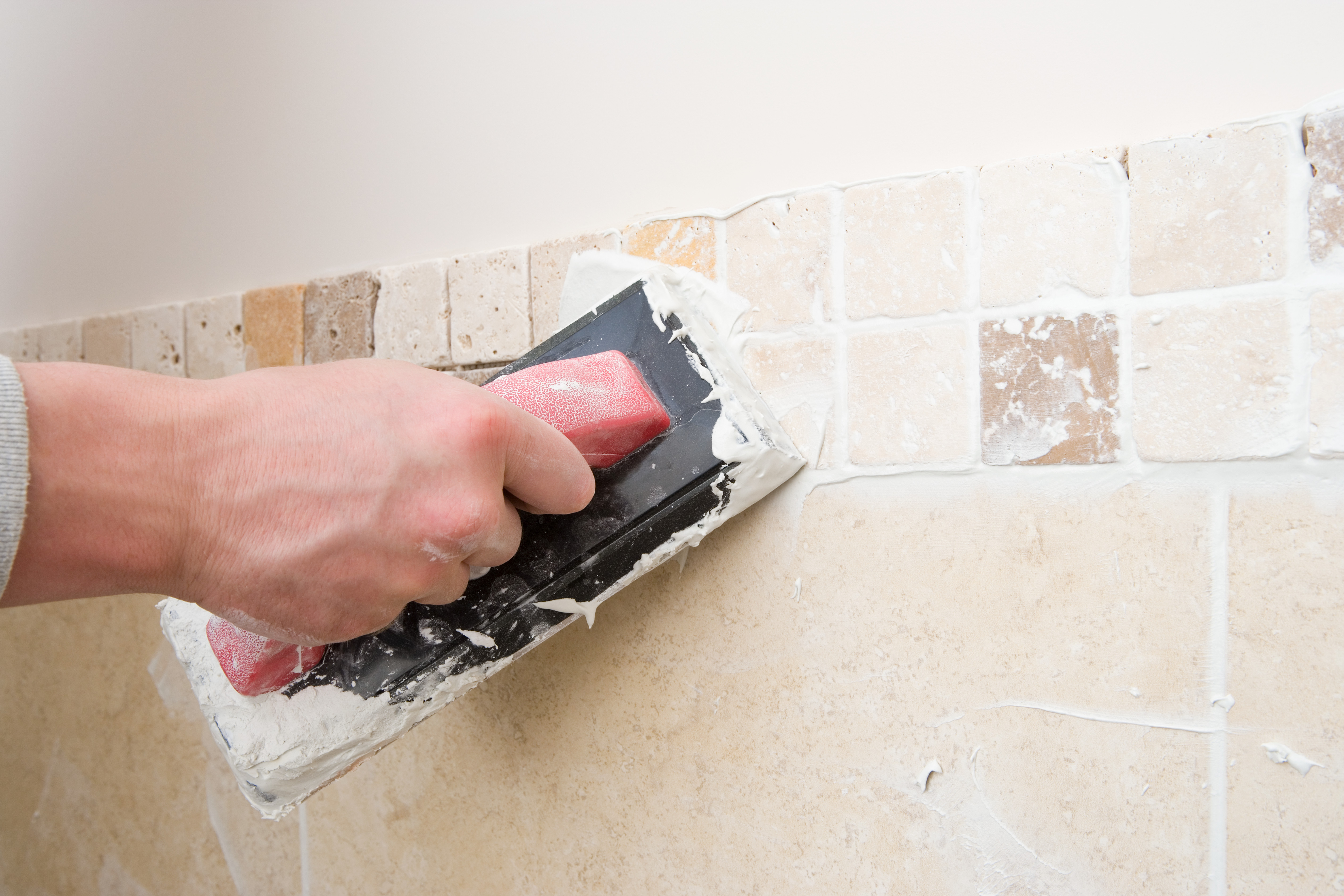
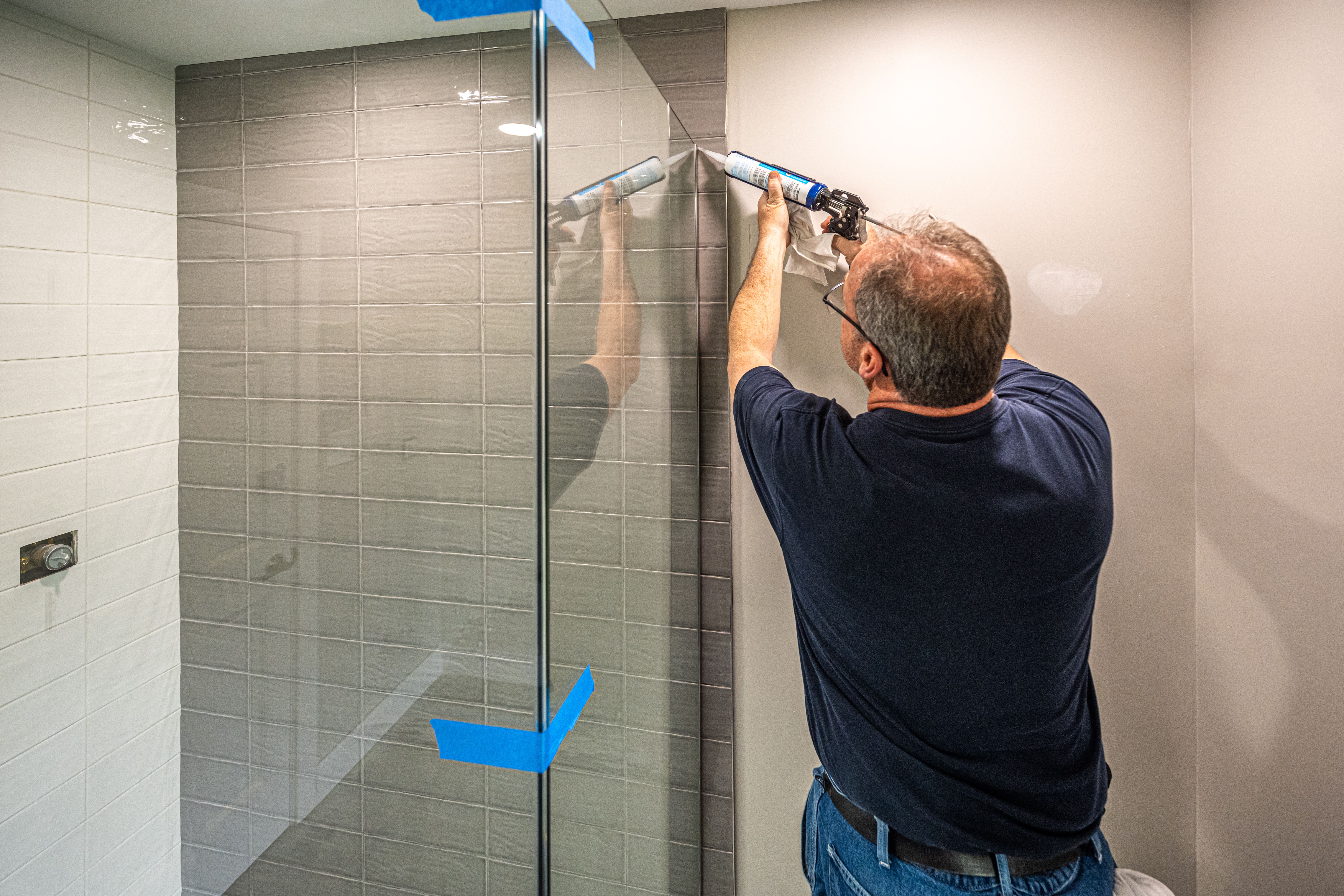
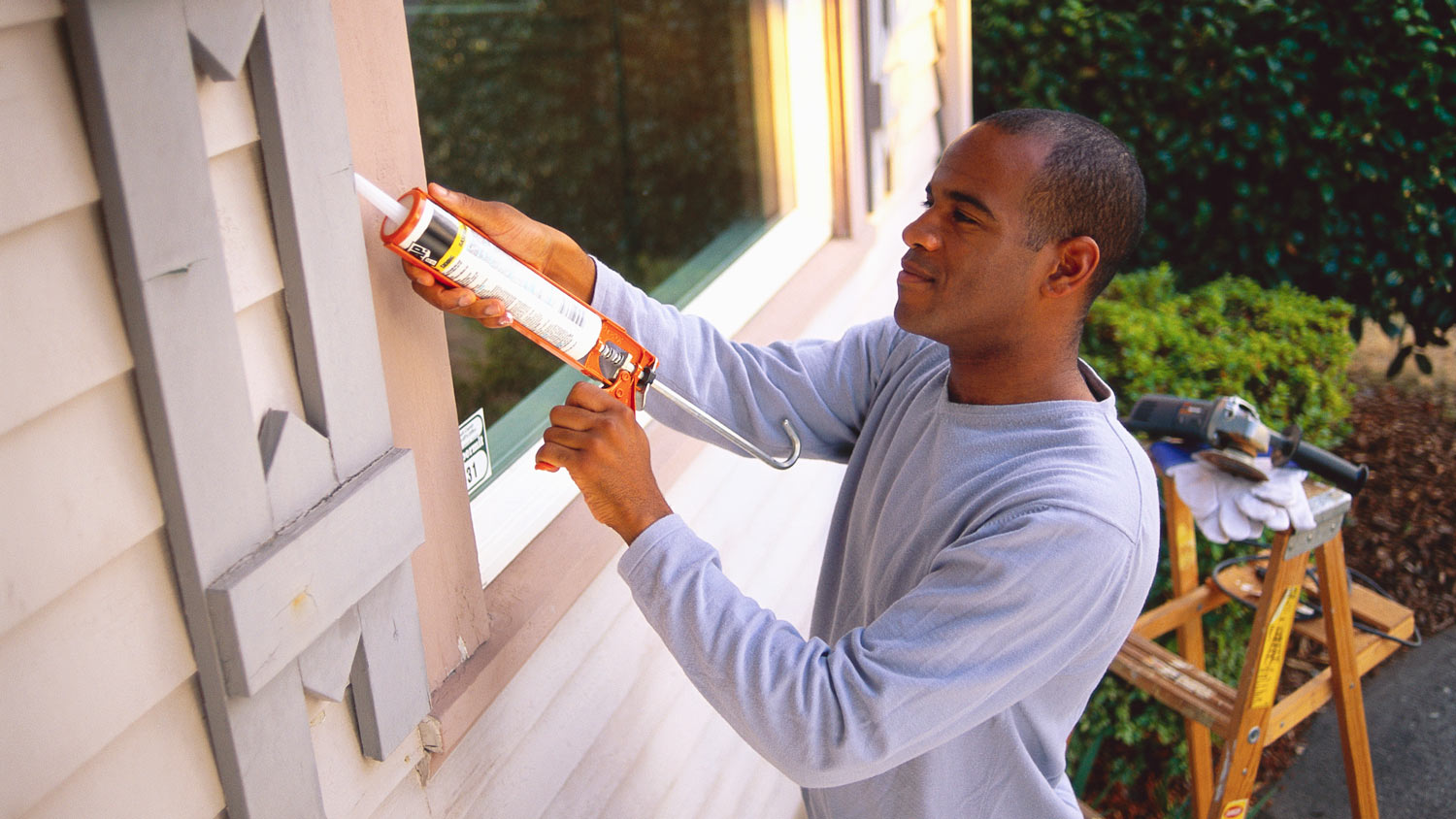
For a bathroom remodel, touch-up, or home perimeter, caulking is worth the investment. Find out average costs for window caulking, shower caulking, and more.
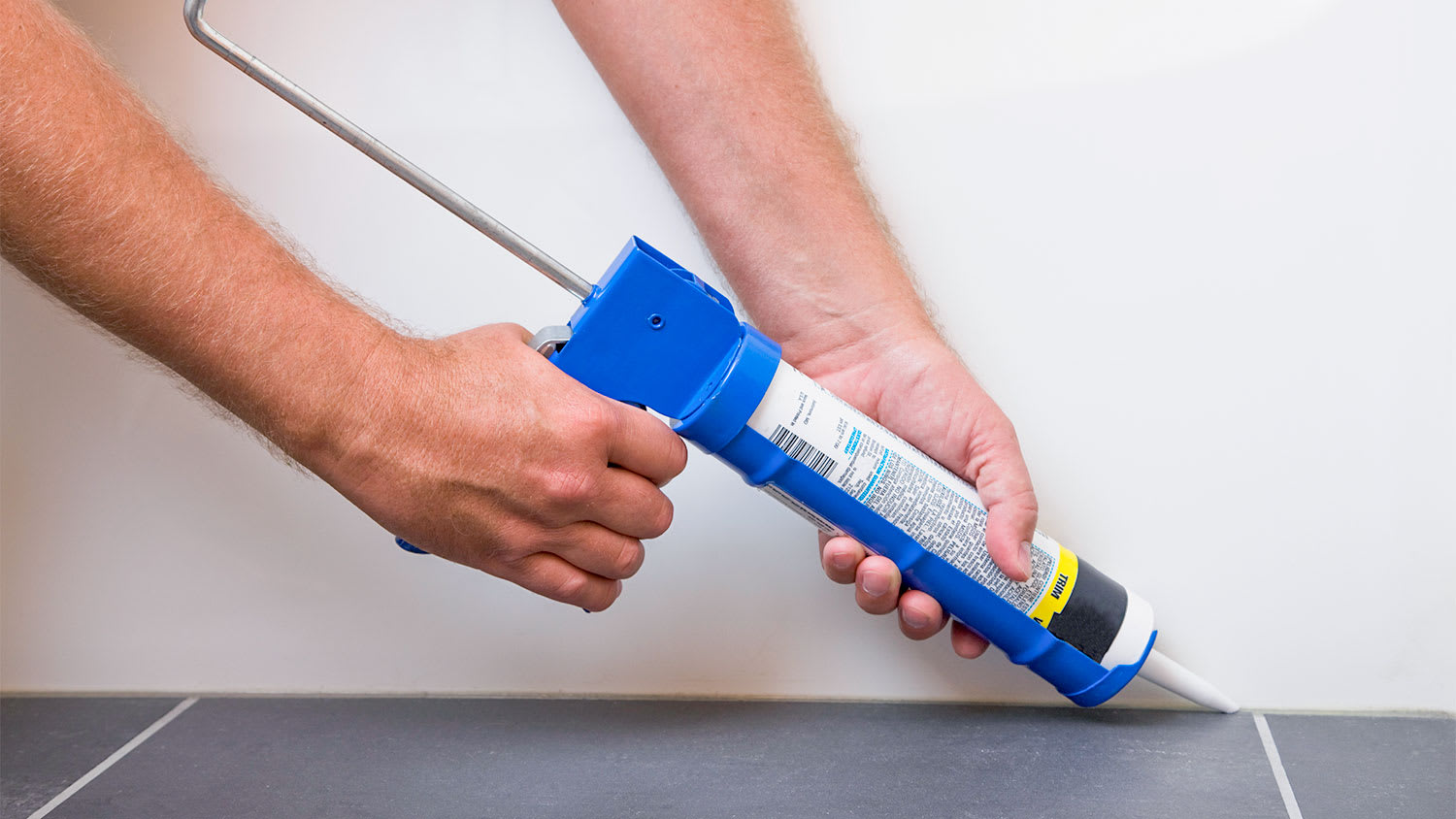
You know your bathroom needs a new caulking job to prevent leaks, but who do you hire? We’ll tell you what kind of professional to contact, what goes into the project, and whether you should consider doing the job yourself.
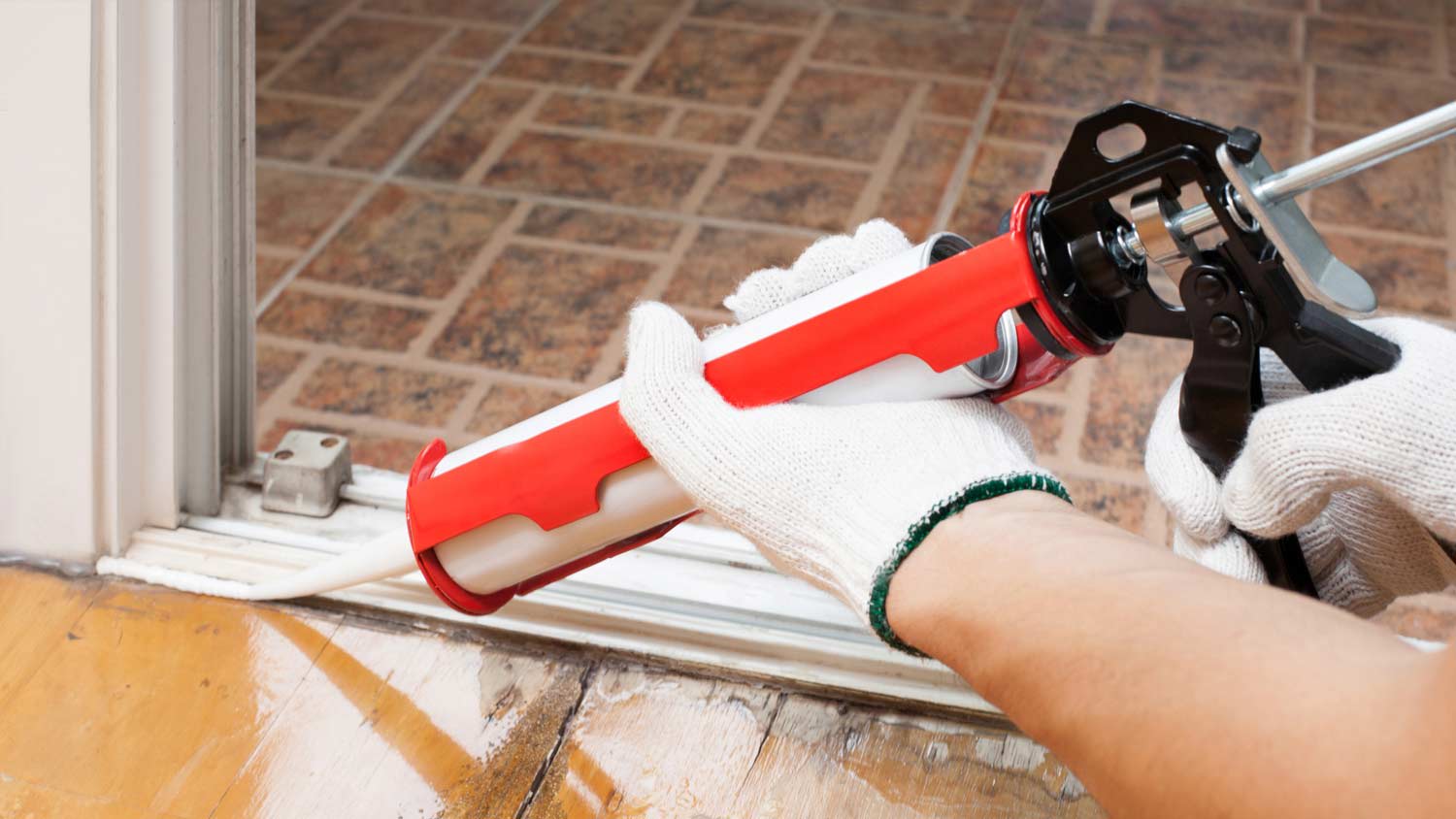
Caulking isn’t as easy as it looks, but with some tricks, even a beginner can do it like a pro. This guide will show you how to caulk in nine simple steps.
With so many different types of caulk on the market, how do you know which one is right for your home improvement project? Here’s how to figure it out.
Caulk and sealant are both helpful for closing gaps, but they aren’t the same thing. Find out whether caulk versus sealant is a better choice for your project.