








Top-rated buffing and polishing pros.

Best buffing and polishing pros near Minot, ND

Enter your zip and get matched with up to 5 pros

Need a pro for your buffing and polishing project in Minot, ND?

Select your specific project to find the pro for you.

Top-Rated Buffing and polishing pros in Minot - Updated Nov 2026

Yebosco Company
New to Angi
Clean & Polish Flooring - For Business

Serving Minot, ND and surrounding areas

In business since 2013

Free estimates

Credit card accepted

We are a locally owned and operated company, that values honesty and integrity and treats your home as if it were our own. We offer a variety of quality cleaning and janitorial services. You will find us to be competitively priced, with close attention to the details of each and every project that we are involved with. We look forward to building lasting relationships and guarantee your satisfaction!

Response time1 day
Response rate92%
Buffing and Polishing FAQs, answered by experts

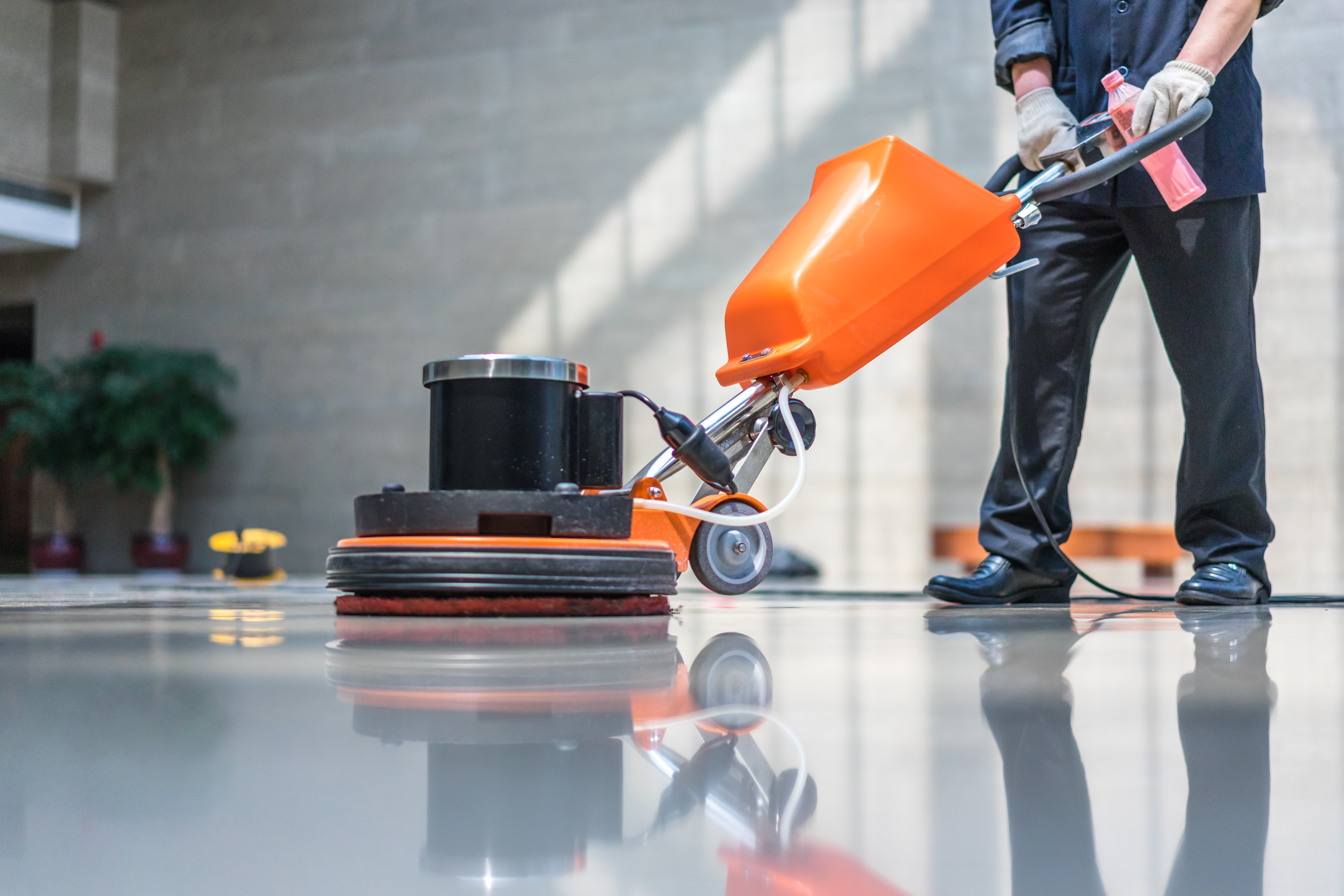
Both buffing and polishing increase the longevity of your floors by removing scratches and buildup, but they are different processes. Polishing removes the top layer of your floor, removing surface-level scuffs and scratches. Buffing your floor involves filling the scratches and scuffs with a buffing solution. No matter which method you choose, you can rest assured that both techniques will leave your floor looking shiny and new.  

Sealing is essential to keep your flagstone looking new for as long as possible. If you don’t seal flagstone, the surface can wear and stain. It also helps protect the stone’s natural texture. Just make sure you choose a matte sealant to avoid making your stone slippery like a glossy sealant can.

Silestone® isn’t recommended for outdoor use because UV rays can damage the surface. Long-term exposure to direct sunlight can cause discoloration. Instead, choose an outdoor-friendly countertop material like tile, concrete, stainless steel, or natural stone. If you do choose a natural stone, make sure you either seal it or avoid highly porous stones. For example, choose soapstone over marble.

Yes, professionals have the skills to restore historical or intricate masonry by respecting traditional techniques and materials. They address damage meticulously, preserving the original design while ensuring stability and longevity.

The frequency for sealing granite countertops depends on several factors, including the type of sealant used, the color of the granite, and how heavily the countertops are used. As a general guideline, resealing is often recommended every 12 to 18 months, but some sources suggest it could be as often as every few months or at least once a year.

The type of sealant is a major factor: water-based sealants may need reapplication every six months to a year, while more durable solvent-based sealants can last for five to 10 years. Additionally, factors like heavy kitchen traffic, frequent use of acidic cleaners, and lighter granite colors may require more frequent sealing to prevent staining.

To determine if your countertops need resealing, you can perform a simple water test. Place a few drops of water or a wet paper towel on an inconspicuous area of the granite. After 10 to 15 minutes, check the spot. If the water has beaded up, the seal is still intact. If the water has been absorbed and darkened the stone, it's time to apply a new coat of sealant. You can choose to seal the granite yourself or hire a professional to ensure it's done correctly.

The Minot, ND homeowners’ guide to buffing and polishing services

From average costs to expert advice, get all the answers you need to get your job done.