

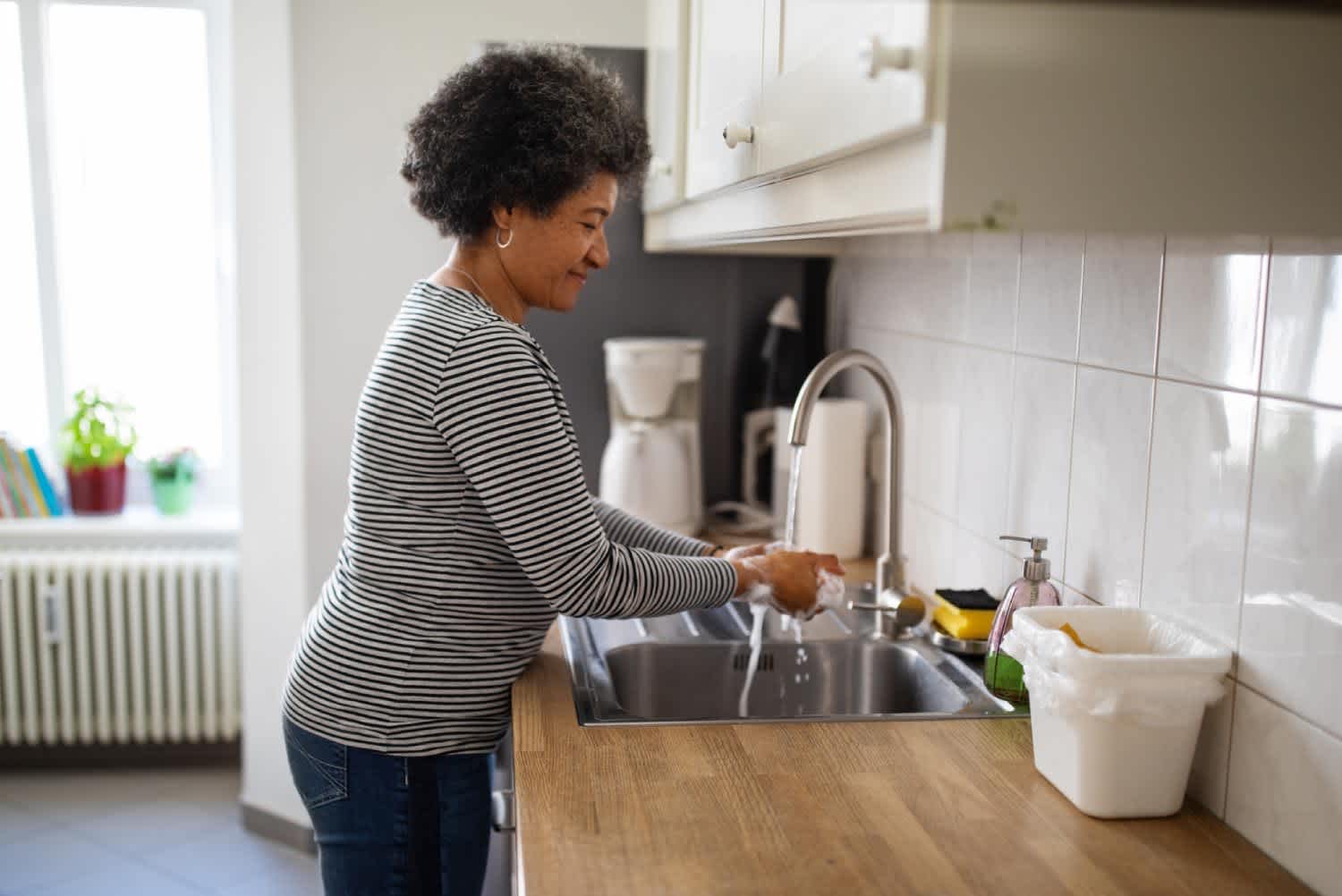
A main water shut-off valve controls water flow for your entire home. Here we break down the cost to replace a main water shut-off valve.
Plumbing costs depend on your project and location. Check with a local pro for your specific job.

$150 to $550 is the price range for your shower valve replacement, based on valve type and complexity.
The specific valve you choose affects your total, with pressure-balancing and thermostatic models costing more than basic mixing or diverter valves.
You should budget for permits and inspections required by your state or county before starting your shower valve project.
Hiring a local handyman service professional helps prevent hidden water damage and mold inside your wall cavity.
In 2026, the national average cost for shower valve replacement is $350. Most homeowners pay between $150 and $550, with the spread driven by the type of valve you choose, which components need replacing, and whether you hire a pro or go the DIY route.
With the right shower valve, you can say goodbye to scalds, chills, and sudden pressure changes. Here are the factors that determine how much you'll pay to replace a shower valve.
The type of shower valve you choose is the primary driver of replacement cost, with the five most common types ranging from $20 to $350, depending on the model. The table below shows the different shower valve replacement costs by type:
| Shower Valve Types | Average Cost in 2026 |
|---|---|
| Mixing valve | $40–$350 |
| Diverter shower valve | $20–$200 |
| Pressure-balancing valve | $50–$300 |
| Thermostatic shower valve | $25–$200 |
| Transfer valve | $100–$190 |
Mixing valve: Mixing valves combine hot and cold water so you can adjust the temperature and cost $40 to $350. However, mixing valves can't account for sudden water pressure changes, so the water temperature can fluctuate if someone flushes the toilet while you're in the shower.
Diverter shower valve: Diverter shower valves redirect water flow between one or more water outlets, like a showerhead and a bathtub spout, and allow you to switch between them. These are common in tub-and-shower combos and cost $20 to $200.
Pressure-balancing valve: These valves maintain consistent water temperature by adjusting the balance of hot and cold water to compensate for pressure changes in the water supply. Unlike mixing valves, water from pressure-balancing valves won't suddenly change temperature if the water pressure changes while you're using the tap or shower. This type of valve averages $50 to $300.
Thermostatic shower valve: Thermostatic shower valves control water temperature by letting you set and maintain the heat level you prefer, regardless of water pressure. These valves automatically adjust the water to your preset temperature to avoid scalding or freezing showers and range from $25 to $200.
Transfer valve: These valves direct water to multiple outlets, such as a showerhead, hand shower, spigot, and body jets. With transfer valves, you can choose to have water coming out of more than one fixture, outlet, or spout at a time. Expect to pay $100 to $190.
If you aren't sure which type of shower valve you have, look for a serial number or model number on the showerhead and search for it online.
How many handles does your shower have? The price you pay to fix your shower valve may depend on that answer.
Ranging from basic to high-end, your shower valve could cost under $20 or over $100, depending on the one-handle valve you opt for.
Two-handle shower valves aren't as common today as they used to be. The kits for them are the most affordable of any shower valve type and may only cost a few dollars.
Often used for aesthetic value or in older showers, three-handle shower valves are less frequently seen in modern bathroom showers. A basic kit will cost under $30.
Labor for shower valve replacement runs around $165 when you hire a handyperson near you, or around $225 when you bring in a local plumbing repair pro. A licensed plumber is the better choice if you are upgrading to a different valve system, since the work involves more complex plumbing connections.
Your two material options are individual replacement parts or a complete shower valve kit, with basic kits starting at under $30 and higher-end units running $100 or more. Buying individual parts can save money and lets you replace only what has failed, but sourcing specific components for older valves can be difficult. A shower valve kit is the more convenient choice because it includes all necessary parts, matching trim, and sometimes a new showerhead.
Valve location within your home's walls directly affects how long the job takes and what you pay in labor. Older homes often have valves that are harder to access than those in newer construction, which can add roughly an hour of labor to your bill.
Plumbing work, including shower valve replacement, requires a permit in many states and counties, regardless of whether you DIY or hire a contractor. This type of work is often classified as a faucet permit and typically costs $10 to $25.
You might be able to fix small leaks or a minor decrease in water pressure with a simple shower valve repair, such as adding a new O-ring (or tightening a pipe).
Alternatively, if there are serious leaks, decreases in water pressure or temperature that make showering difficult, or odors coming from the shower valve, you’ll most likely need to replace it. Repair costs depend on the type of fixes required to get it back in working order.
Replacing a shower valve often requires opening the wall, handling pressurized water lines, and making watertight connections that won’t leak. That’s why it’s best to hire a local plumbing repair pro for the job. A plumber will ensure proper installation to prevent issues like hidden water damage, mold inside the wall cavity, inconsistent water pressure, and premature valve failure.
When replacing a shower valve, you should hire a pro for these reasons:
Plumbers are familiar with local plumbing codes and know which valve types are approved for your home.
They can shut off and reconnect water lines safely without damaging surrounding pipes.
Licensed pros install valves at the correct depth so trim, handles, and future repairs fit properly.
DIY mistakes can cause leaks inside the wall that go unnoticed until major damage appears.
Professionals test the pressure balance and temperature limits to ensure the valve performs safely.
A plumber can determine what type of valve you need based on your shower setup.
To streamline the project and potentially reduce labor costs, you can handle these simple prep tasks:
Clear the shower area by removing toiletries, shelving, and accessories
Decide on your handle style, finish, and trim kit before installation begins
Mark your preferred height for the shower handle or any planned fixture upgrades
Plan ahead for any tile or wall repairs that may be needed once the valve is replaced
Make sure the plumber has clear access to any crawl spaces, utility rooms, or access panels behind the shower
Shower valve replacement is pretty straightforward. But like most home improvement costs, a little foresight and research will save you cash. Here are two strategies for paying less to replace a shower valve:
Stick with the basics: Shower valves can become pricey quickly. If you’re trying to save money, stick with a basic model that fits your cartridge.
Call multiple plumbers: Plumbers charge varying hourly rates, and $45–$200 per hour is standard but not guaranteed. You might be able to find a skilled plumber for less if you research before you hire.
Ask your pro whether the new shower valve is compatible with your existing plumbing lines and shower configuration.
Review trim kit options, handle styles, and finishes before the wall is opened.
Confirm the valve will be installed at the correct depth for future servicing.
Discuss potential upgrades. such as thermostatic controls or a diverter for multiple showerheads, before installation begins.
Home is the most important place on earth, which is why Angi has helped more than 150 million homeowners transform their houses into homes they adore. To help homeowners with their next project, Angi provides readers with the most accurate cost data and upholds strict editorial standards. We extensively research project costs to develop the pricing data you see, so you can make the best decisions for you and your home. We rely on reputable sources, including the U.S. Bureau of Labor Statistics, academic journals, market studies, and interviews with industry experts—all to ensure our prices reflect real-world projects.
Want to help us improve our cost data? Send us a recent project quote to [email protected]. Quotes and personal information will not be shared publicly.
Positive experience. As previously stated, the replacement/repair could not be completed (no fault of the plumbing tech) b/c misinformation was rec?d by property management maintenance. Thanks to the plumbing tech for your efforts. Appreciate you!
 The Waterworks
If you want to pay the most exorbitant prices possible for your job, this is the company for you. “By the job” pricing is a rip-off, at least how these people use it. Every job is plugged into a category and prices are set by category. You might have a job that takes half an hour or one that...
 Benjamin Franklin Plumbing
Cole has been handling plumbing and general contracting for our four properties over the past three years, and he’s always done a great job. Most recently, he installed a sink and countertop in our retail store where none existed before, and it turned out exactly how we needed. He’s...
 ANB Renovations LLC
Matt is a consummate professional. The work turned out to be far more difficult than expected and rather than turn the job down, Matt rose to the occasion and completed a near impossible task. I can not recommend Greene's Plumbing Service more highly. On a scale of 1-5 I would give Matt a...
 Greene's Plumbing Service
Involved an extensive bathroom remodel, including removing tub & installing walk in shower, new drywall, custome tile work to ceiling, plumbing, etc. Overall, job was done on time and on budget. Nick & his team were very professional and had high attention to detail. Quality was great. Highly...
 Stamos Flooring and Remodeling LLC
Awesome company. Had a jacuzzi tub taken out and replaced with huge walk in shower with partial glass enclosure. Onyx to the ceiling with a decorative border, moved plumbing and installed hand held shower, new ceiling, flooring, and paint. Replaced window with glass block. Everything was done...
 Columbus Bath Design
The initial quoted price from a walk-through seemed high, but we discussed that the quote represented worst case scenario (re-wiring to two floors) and we were excited about the opportunity to have the work done in a timely manner with closing for fire safety reasons, etc. When the job was...
Initially, I called the Service People to have a leaking garbage disposal replaced. I had purchased a special deal through Angie's List: $79 for $200-worth of plumbing services. <br /> When I went to schedule the work, the earliest date I could get through Angie's List was after the upcoming...
This company did a very good job on the brick wall and it looks just amazing. The staff was always professional and was practically OCD on how the bricks were stacked and how they were laid. Although it took longer than expected, I am willing to sacrifice time over perfection anyday. The...
 My Handy Mate LLC Improvement & Remodeling
<p>I am so glad we called Rotor-Rooter. I was hesitant to call them because we usually prefer to give business to local providers. But when we had sewage back up in our basement on a Saturday evening, I had a hard time getting a hold of someone, not to mention the high weekend/evening rate...
 Roto-Rooter Plumbing & Water Cleanup
From average costs to expert advice, get all the answers you need to get your job done.
A main water shut-off valve controls water flow for your entire home. Here we break down the cost to replace a main water shut-off valve.
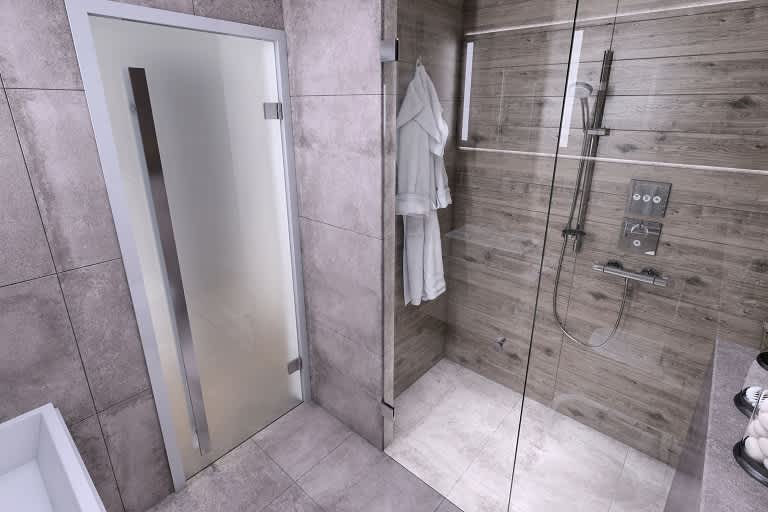
Various factors affect the total tub-to-shower conversion cost, including the size of the area, type of shower, materials, and labor fees.

An updated bathtub can give a bathroom a whole new look. Find out how much it costs to replace a bathtub, including prices by type and labor costs.
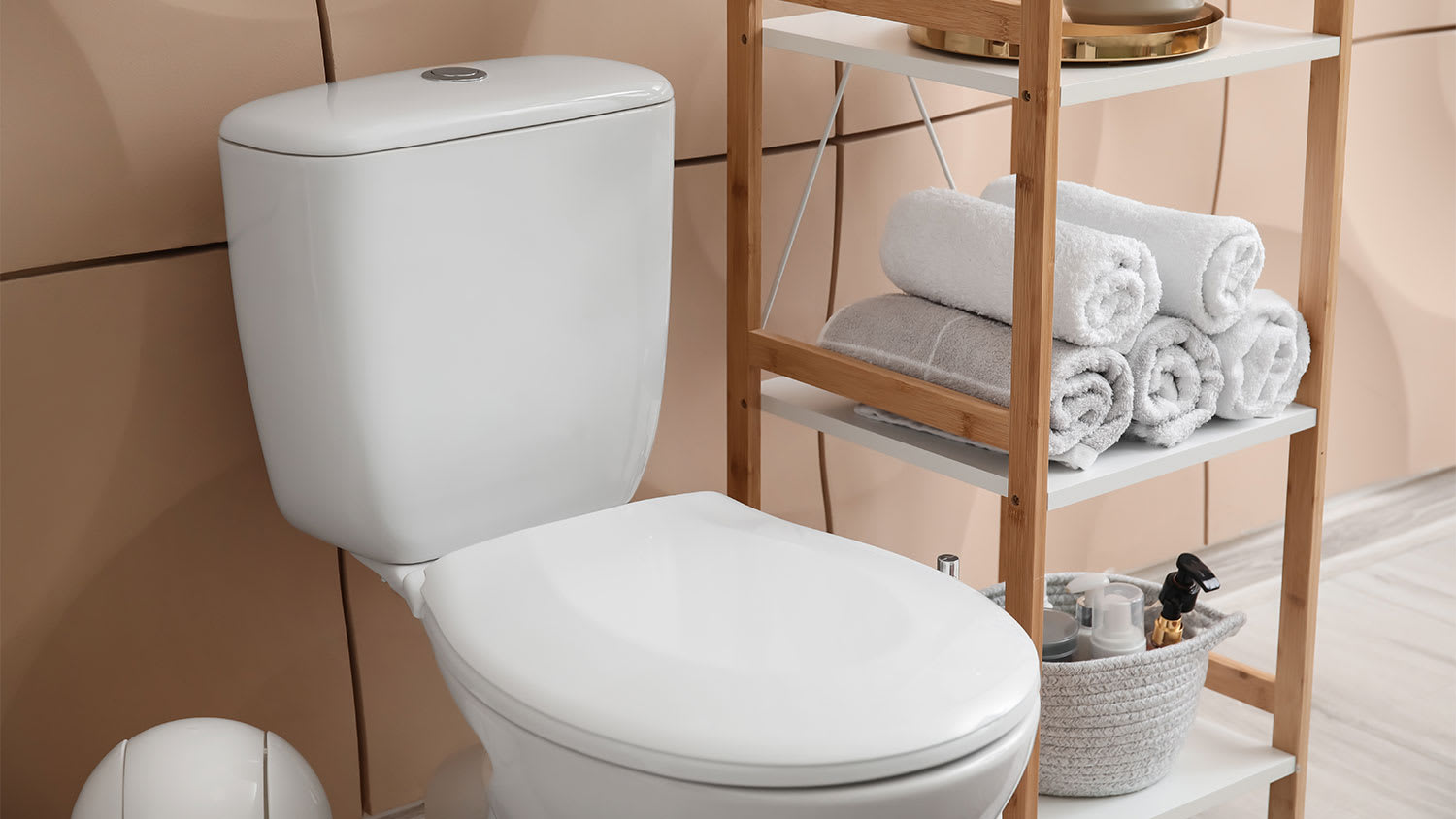
When your toilet runs continuously, it’s likely the fill valve at fault. Find out how to replace a toilet fill valve in 8 easy steps.
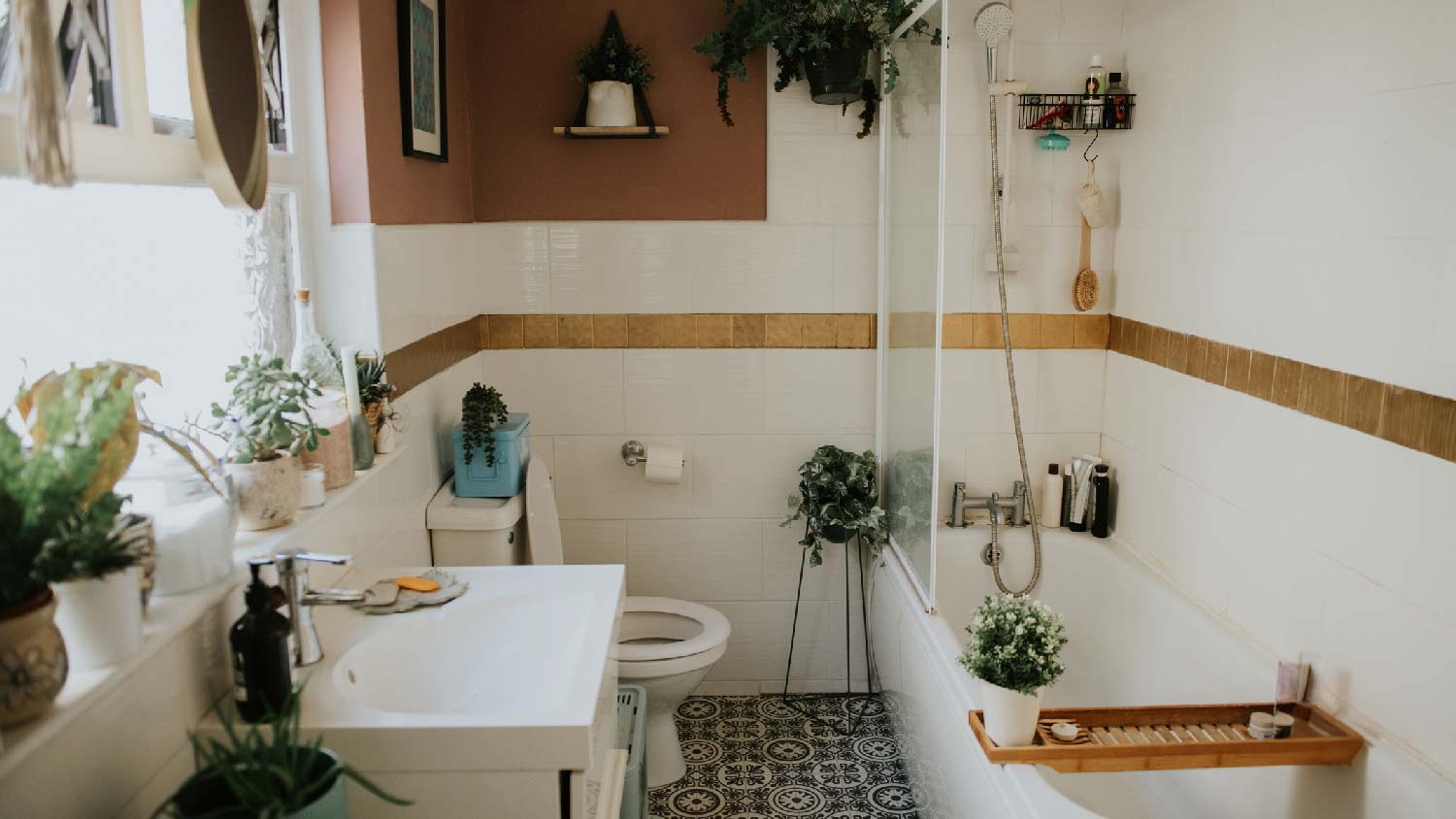
Whether upgrading to a new tub or replacing an old tub with a shower, you’ll need to know how to remove a bathtub to make room.
Tub drain sizes are standardized, but they can vary in certain circumstances. This guide will discuss the most common sizes and how to measure your tub.