"I only use James when I need some work done to my house. He responds fast, gets the work done quicker than just about anyone else I've ever used and seems very concerned with leaving his customers happy."
No, you don’t need to apply paint primer to your wall before hanging paintable wallpaper. Manufacturers design paintable wallpaper so that the paint will adhere effectively, so primer isn’t necessary. Plus, even if you opt for a light shade of paint, you won’t have to worry about the shade underneath showing through because you are painting on a light, white surface.
Options include bricks, natural stone, and concrete blocks. Choose based on durability, aesthetics, and budget.
Yes, you can put wallpaper in a bathroom, but whether it's a good idea depends on several factors. Because bathrooms are high-humidity areas, it's crucial to choose a water-resistant wallpaper, such as one made of vinyl. Proper wall preparation is also critical to ensure the paper adheres well, even after many steamy showers. The wallpaper's placement also affects its longevity; it will hold up better on an accent wall or away from direct water contact, rather than immediately next to a shower. A well-ventilated bathroom will yield the best results.
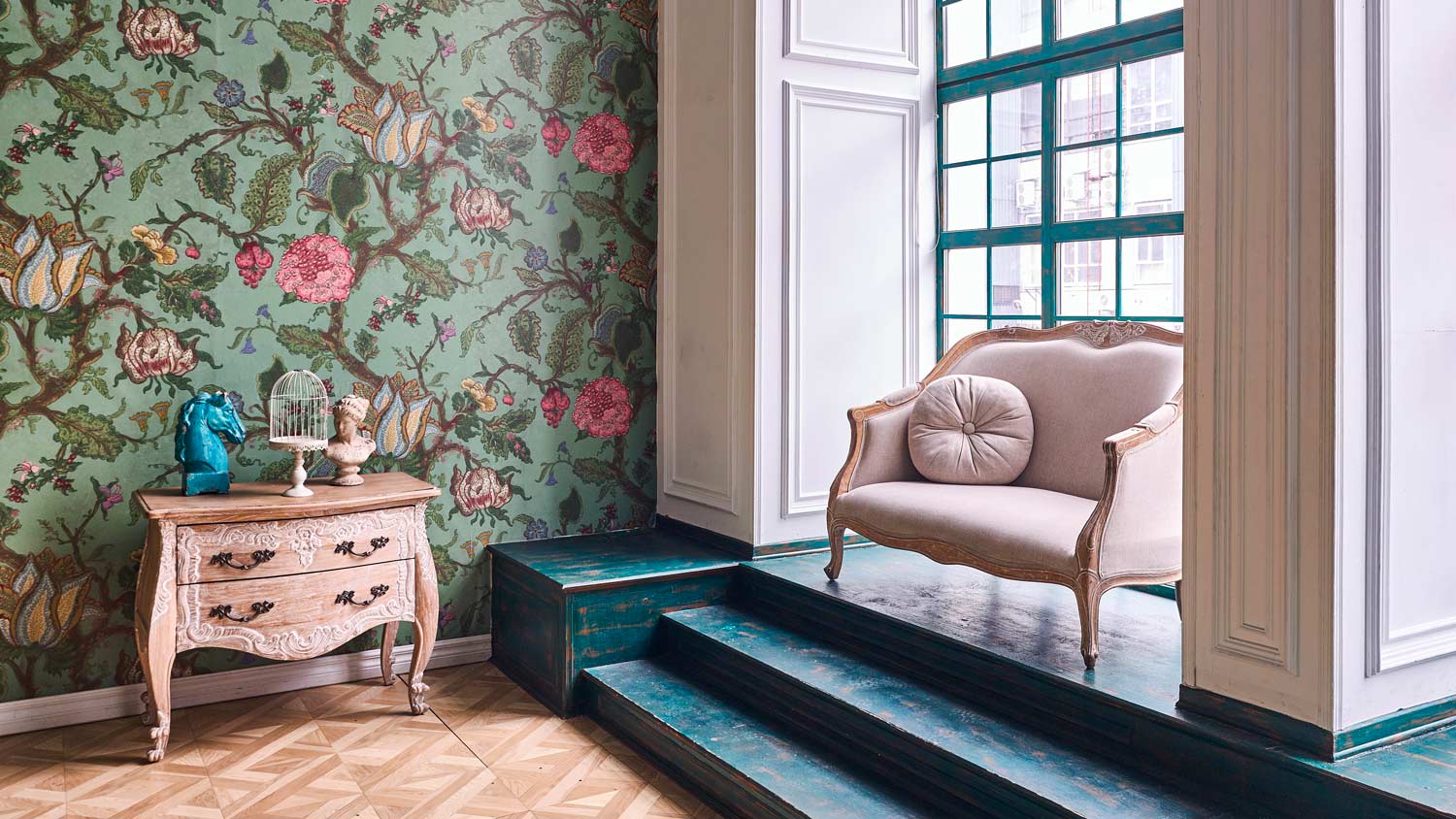
There can be too much of a good thing when it comes to accent walls, so avoid creating one in every room in your house. Some rooms, like bathrooms and kitchens, don’t naturally lend themselves to accent walls, so it’s best to skip them there. Of course, your home should reflect your own sense of style, so if accent walls in multiple rooms appeal to you, there’s no hard-and-fast rule forbidding it.
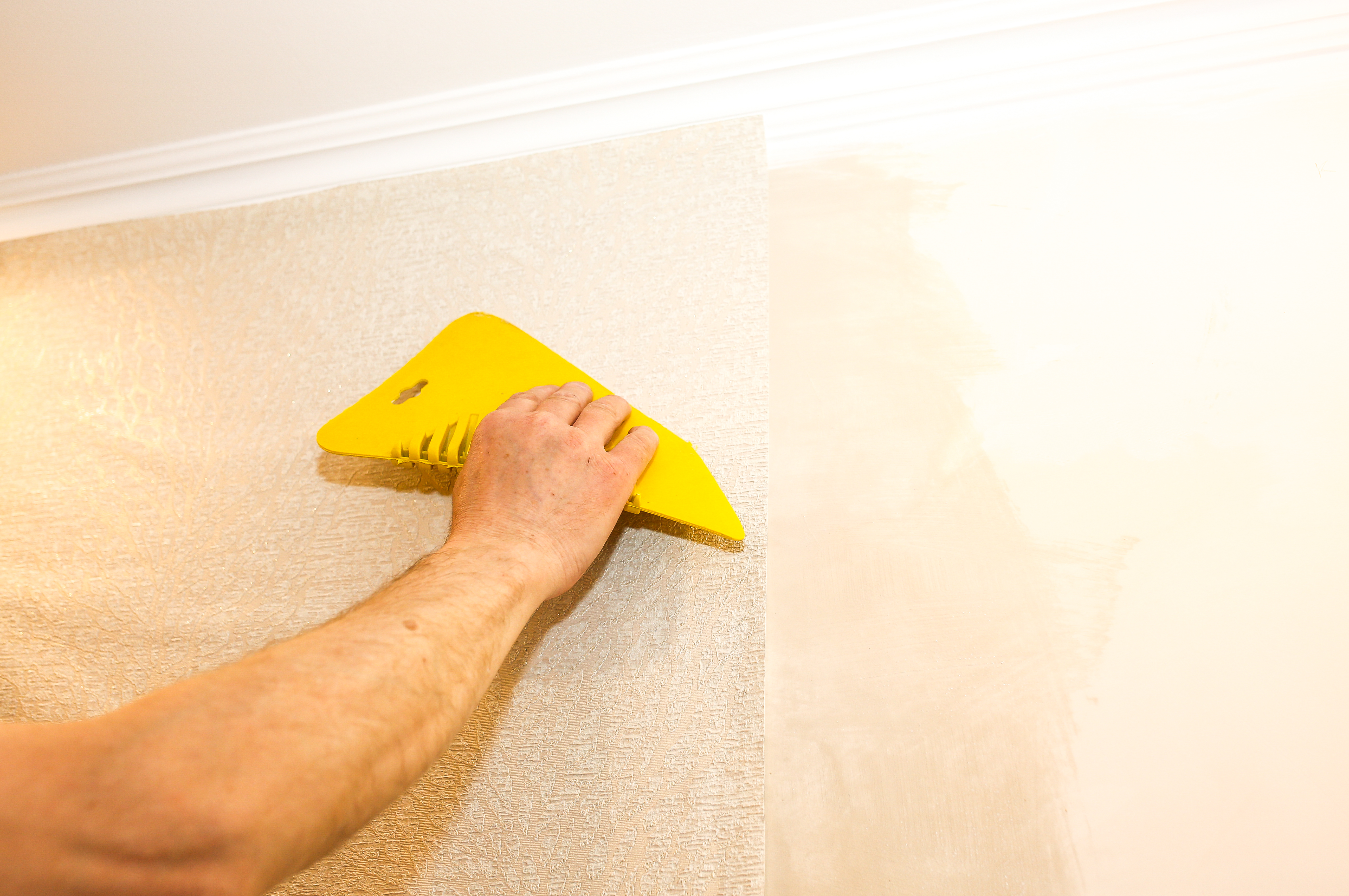
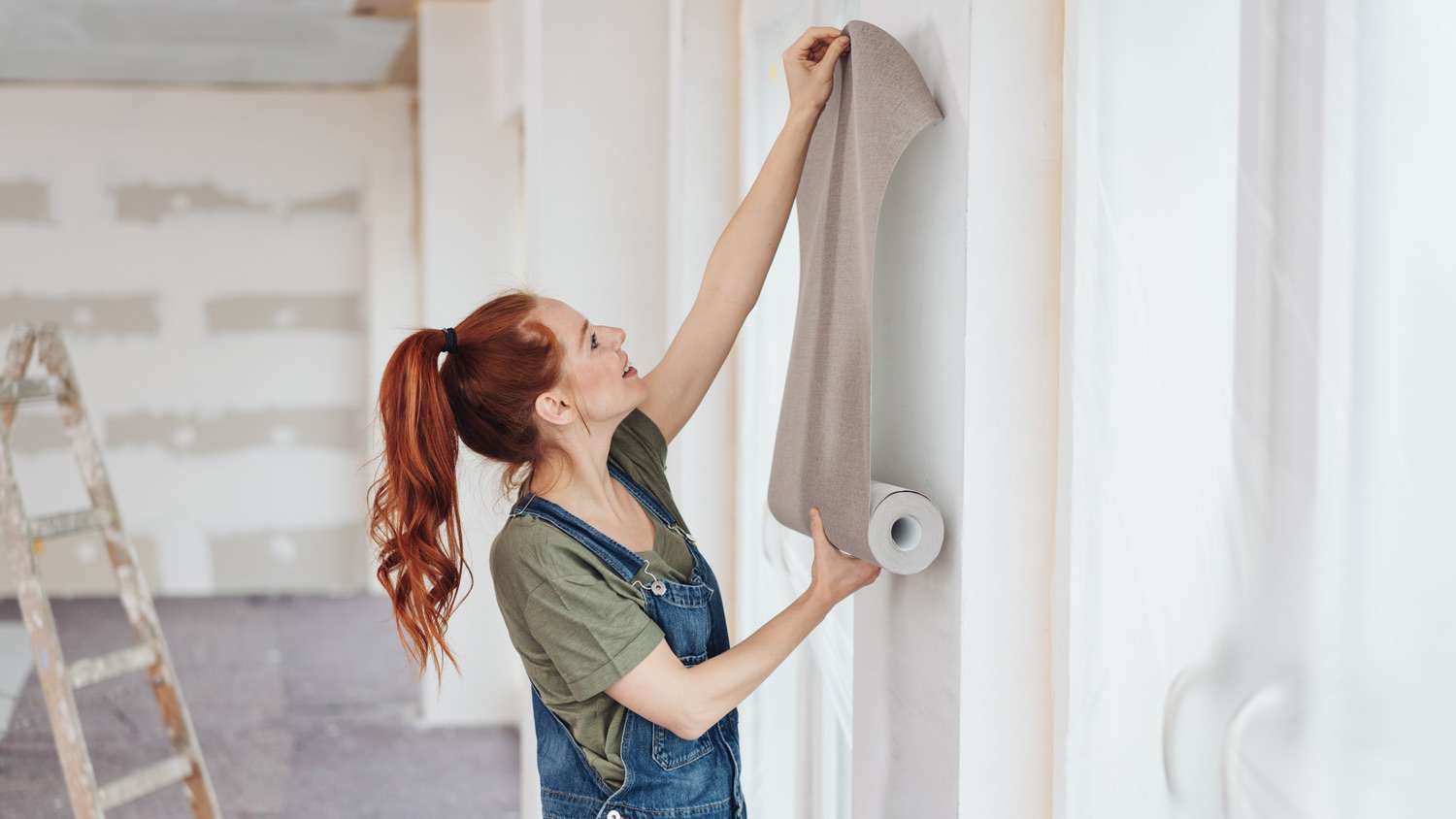
It’s possible to hang your own wallpaper, but the process is tedious and potentially frustrating, and it can be challenging to get seams to line up and look clean and professional. Plus, depending on the type of wallpaper you’re installing, using too much or too little adhesive could cause damage to your drywall or plaster, peeling, and bubbling in the final product. It’s usually a better idea to hire a professional wallpaper installer to do the work for you, as the relatively low cost is justifiable, if only to avoid damage to your walls.
The Langdon, ND homeowners’ guide to wallpaper services
From average costs to expert advice, get all the answers you need to get your job done.
Discover wallpaper installation cost. Learn about material, labor, and project factors to estimate your budget and make informed choices for your home.
Whether you can put wallpaper over wallpaper depends on the type of paper you’re using and the condition of the existing surface. Learn more with this guide.