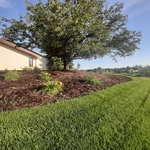
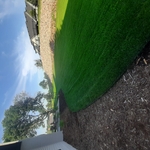
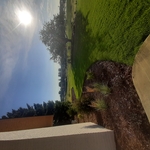
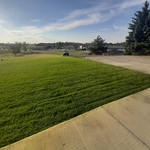
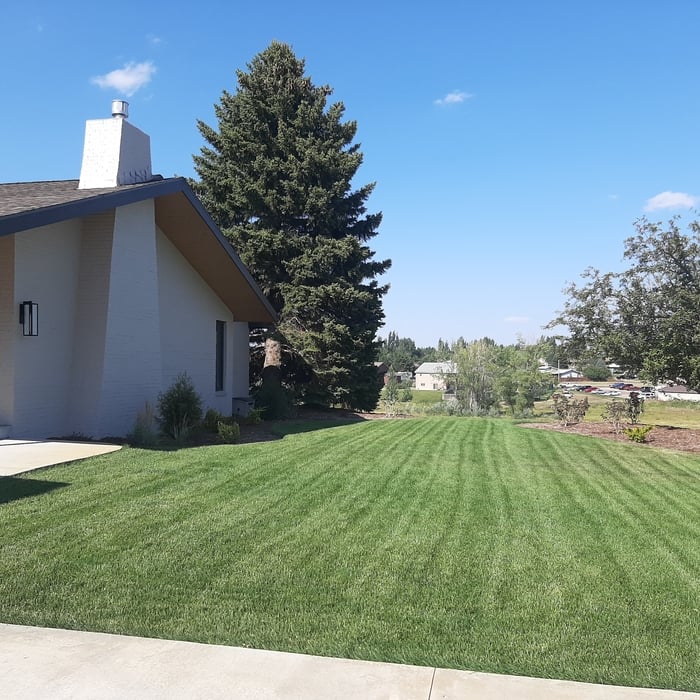
"Showed up on time. Had a good crew of workers who got the job done in about a half a day. Returned to do some adjustments promptly for no extra costs. Offered to come back whenever I needed any additional help."
Leeroy Fischer Construction has scoria for sale per yard. competive prices For now I have pit run witch is excolent for oil field location pads. I will try and meet the needs of the area
All Phases Construction is a full service contractor capable of handling all your residential and commercial construction projects. All Phases Construction focuses on the customer needs, and expectations to ensure your project is completed on time and satisfactorily. Customer service, quality products and craftsmanship is all you can expect from All Phases Construction. Call us today!
A crawl space can be as little as 42 inches below the grade of your house, but this is not always recommended in flood-prone areas. At a minimum, there must be at least 16 inches of clearance between the ground and the floor joists to access the space in an emergency.
Because decomposed granite is a durable material, a crushed rock or gravel base is optional as long as the DG is properly installed and compacted. However, installing a base is a good idea because it will ensure proper drainage and stability and act as a weed suppressant (although you may still occasionally have to pull weeds). Installing an adequate base can also increase the durability of driveways and walkways. If you forego the paver base or gravel underneath, line the area with landscaping fabric to avoid weeds.
You can bury underground electrical wire six inches deep—but only if you use a rigid metal electrical conduit. For rigid, non-metallic conduits, bury the wire at least 12 inches deep. If using an underground feeder cable rated for direct burial, you'll need to place it at least 18 inches deep, as it has no conduit for extra protection.
Yes, most services include site leveling and foundation work. Confirm with your contractor for specifics.
Your contractor should handle dust control during the project. It's best to speak with your contractor beforehand to check if they plan to cover your furniture, protect your vents, or use fans to redirect dust. Eliminating drywall dust is a particularly large challenge during construction, so always take this into account during your planning phase.
The Killdeer, ND homeowners’ guide to excavation services
From average costs to expert advice, get all the answers you need to get your job done.
Excavation costs $1,500 to $6,300 for most residential projects—but it depends on factors like the size of the area. This guide will help you plan a budget.
You can't have an in-ground pool without digging into the ground. How much does pool excavation cost, and can you take it on yourself? Our guide explains.